


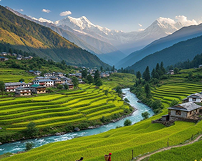
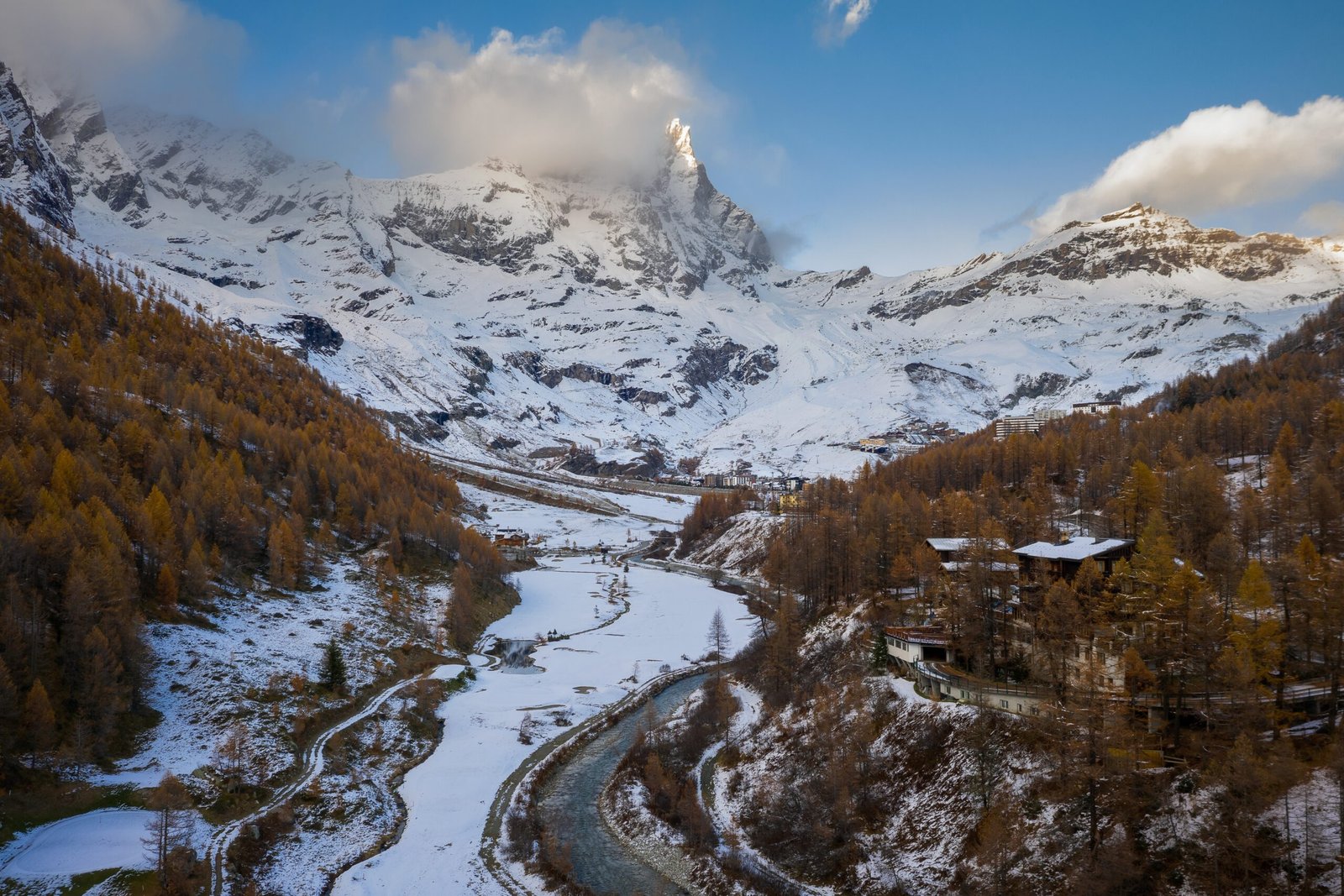
Most people think spring or summer is the right time to head up north. And sure, the cherry blossoms and green terraces have their charm. But if you have never experienced Hunza Valley in winter, you are genuinely missing something different. Something quieter, colder, and honestly more real.
The snow-covered peaks, the frozen lakes, the smoke rising from local homes- it all comes together in a way that feels less like a tourist stop and more like a place people actually live in and care about.
This Hunza Valley winter travel guide covers what to expect, where to stay, what to eat, and why so many travelers are choosing the cold months to make their first or return trip up north.
What Makes Winter in Hunza Different From Any Other Season
Hunza sees its biggest tourist crowds between April and October. Once November hits, the numbers drop sharply. Roads thin out, guesthouses get quieter, and the valley kind of returns to itself.
That shift is exactly what makes visiting Hunza in winter worth your time. You get access to the same mountains, forts, and landscapes without the chaos. Karimabad feels like a small town again, not a waypoint on a highway tour.
The cold is real, though. Daytime temperatures hover around 2°C to 8°C in December and January, and nights drop well below freezing. The Hunza weather in winter can surprise you if you are not prepared. Pack accordingly, and you will be fine.
For travelers planning a winter trip to Hunza for the first time, four to five days is the minimum. Less than that, and you will leave feeling like you only scratched the surface.
Attabad Lake When It Freezes Over
In summer, Attabad Lake is known for its almost unreal turquoise color. In winter, it does something else entirely: the frozen Attabad Lake sits surrounded by cliffs blanketed in white. The color shifts to a deeper, muted tone, and the scene becomes something you want to photograph for a long time.
Attabad Lake in winter is also quieter than most people expect. The lake was formed after a massive landslide in 2010, which displaced hundreds of families. There is history in that water. Visiting when it is quiet and still gives you space to sit with that a little more than a crowded summer day would allow.
Getting to Attabad from Karimabad takes about 45 minutes by car. Roads are usually open, but check conditions before heading out, especially after heavy snowfall. The snowfall in Hunza typically peaks in January, so plan your Attabad visit for a clear-weather day.
Karimabad Attractions: Forts, Views, and Village Walks
Baltit Fort and Altit Fort are two of the most visited Karimabad attractions. Both sit at elevations that give you wide views of the valley, and in winter, those views include snow-capped ridges on all sides.
Baltit Fort is over 700 years old and was the seat of the Mirs of Hunza for centuries. Walking through it in the off-season means fewer visitors, slower-paced guides, and more room to actually take things in. Altit Fort, older and more rugged, sits at the edge of a cliff above the Hunza River.
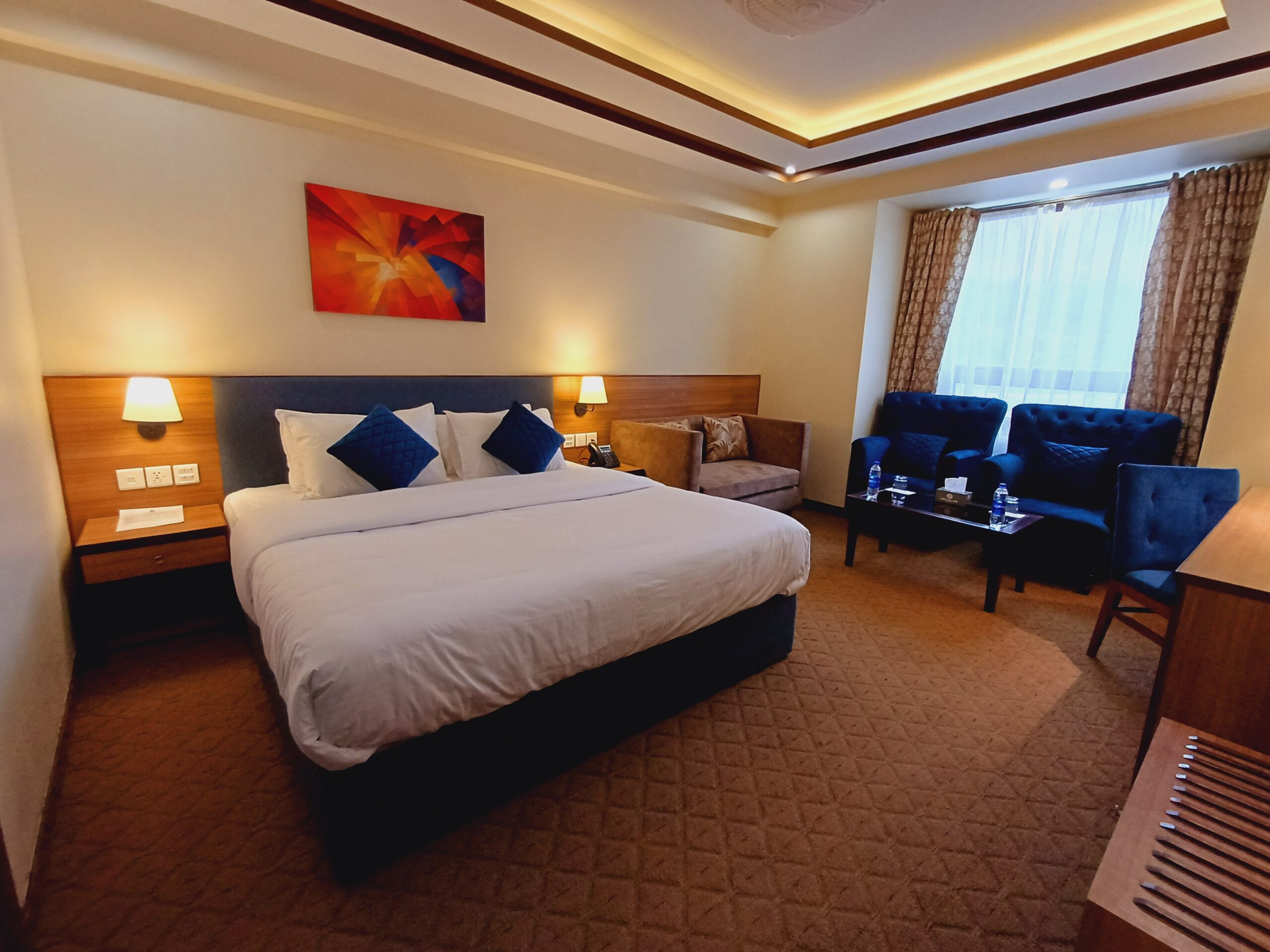
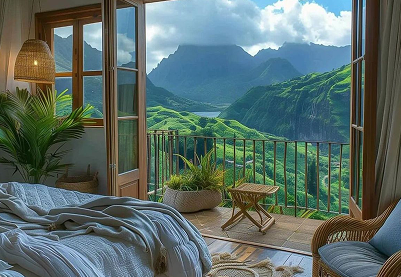
Both are open in winter, though hours may vary. If you are staying somewhere with a clear view of the valley, like a Superior Deluxe Room in Hunza, you can actually see these forts lit against the night sky on a clear evening.
Winter Trekking in Hunza: Shorter Routes, Bigger Views
High-altitude treks are off the table in deep winter. Rakaposhi Base Camp and Rush Lake are not safe without proper alpine experience and gear from December through February. That said, winter trekking in Hunza on ground-level and mid-altitude routes works well even in the cold months.
The walk from Karimabad toward Eagle’s Nest is manageable and gives you one of the best viewpoints in the valley. Early morning is the best time; you get Rakaposhi fully lit before clouds roll in. This viewpoint alone is worth planning your morning around.
Passu Cones, a few hours up the Karakoram Highway, offers another angle. The cones look dramatic against a white sky. The road is usually accessible by car, and short walks around the area are safe for most visitors. If you are asking about places to visit in Hunza during winter, Passu is one that regularly gets overlooked.
The Food Is a Real Reason to Come
Hunza’s food culture is distinct. The region has its own traditional dishes that you will not easily find elsewhere in Pakistan, and winter is when many of them are at their best.
Chapshuro is a stuffed flatbread filled with minced meat and herbs, cooked on a flat pan. It is hearty and exactly what you want after a cold morning outside. Tumoro tea, made from a local herb, has a slightly bitter, smoky flavor that grows on you quickly.
Diram phitti, a traditional walnut-and-mulberry cake, is another winter staple. Dried apricots and apricot oil show up in various forms across most meals. These are not just dishes; they are part of how the region sustained itself through harsh winters for generations.
Most local restaurants in Karimabad serve these dishes. If you are staying at Fortune One Hotel, the team can point you toward the best local spots nearby or arrange traditional Hunza food on request.
Stargazing in Hunza: Clear Skies All Winter Long
Light pollution in Hunza is minimal, and winter nights are some of the clearest of the year. If the sky is clean and there is no moon, you can see the Milky Way from most open spots around Karimabad. Stargazing in Hunza Valley is genuinely one of the best free experiences the region offers, and winter gives you the longest and clearest nights.
The best viewing spots are slightly above town, the Eagle’s Nest area, or the hillside behind Baltit Fort. Bring a thick jacket, a flask of something hot, and a head torch. Give your eyes about 20 minutes to adjust to the dark.
Some travelers specifically plan their snowy Hunza Valley trip around a new moon weekend for the best conditions. If that is on your list, check a lunar calendar before booking your dates.
Getting to Hunza in Winter: What You Should Know
The Karakoram Highway (KKH) stays open through most of winter, though stretches near Besham and north of Gilgit can close temporarily after heavy snowfall or rockslides. Most people booking a Hunza Valley winter tour opt for a private vehicle for flexibility on the road. According to the Gilgit-Baltistan Tourism Department, the KKH remains the primary and most reliable route into the valley year-round.
The fastest option is flying into Gilgit Airport from Islamabad. Flights take about an hour but are weather-dependent; delays and cancellations are common in winter due to fog and cloud cover. Always have a flexible plan if you are flying.
From Gilgit, Hunza is a 2 to 3-hour drive north on the KKH. Shared vans and private taxis are available. If you are carrying luggage and plan to stop at Rakaposhi viewpoint along the way, which you should, hiring a private car is the easier call.
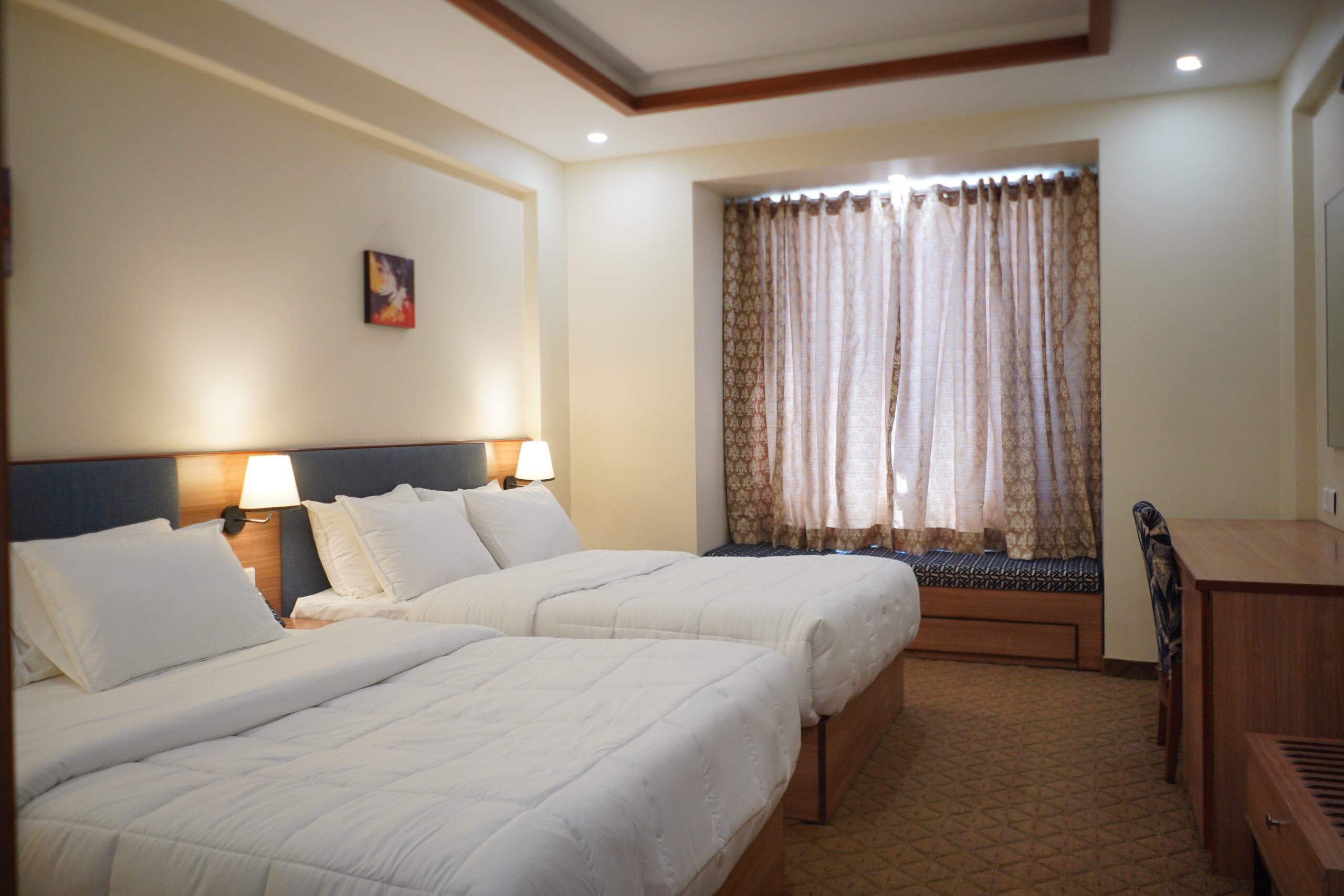
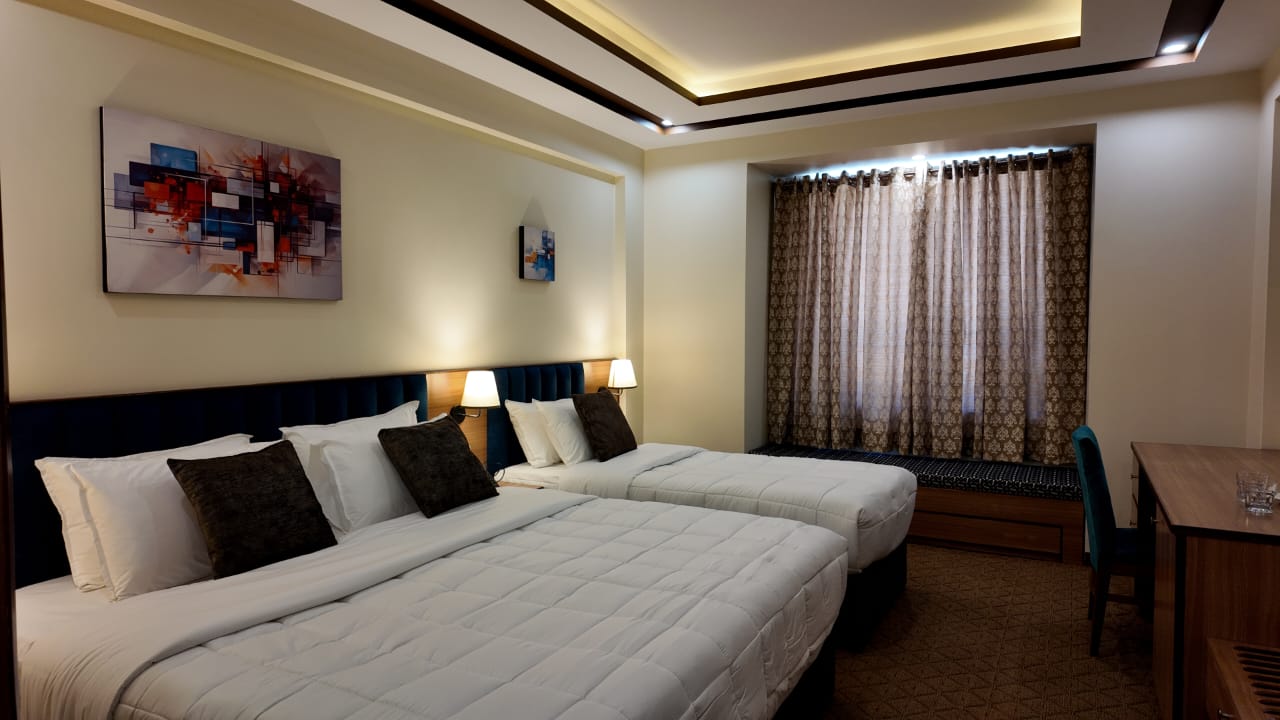
Travelers staying at a Deluxe Triple Room in Hunza often appreciate having their own car for the drive up, especially when traveling as a family or small group, splitting the cost.
Where to Stay: Choosing the Right Place in Winter
Winter tourism in Pakistan has grown significantly in recent years, and Hunza is one of the biggest beneficiaries. Accommodation options now range from simple guesthouses to well-equipped hotels with heated rooms and mountain views.
Budget places are cheaper in winter, but heating can be inconsistent, so it’s worth confirming before you book. Mid-range and higher-end hotels tend to maintain consistent service year-round. The Pakistan Tourism Development Corporation lists several certified properties in the Karimabad area if you want a verified starting point for your search.
Location matters a lot in winter. Staying in Karimabad keeps you close to the forts, restaurants, and main viewpoints. Some travelers prefer Gulmit or Passu for a quieter base, but transport in those areas is less frequent when it is cold.
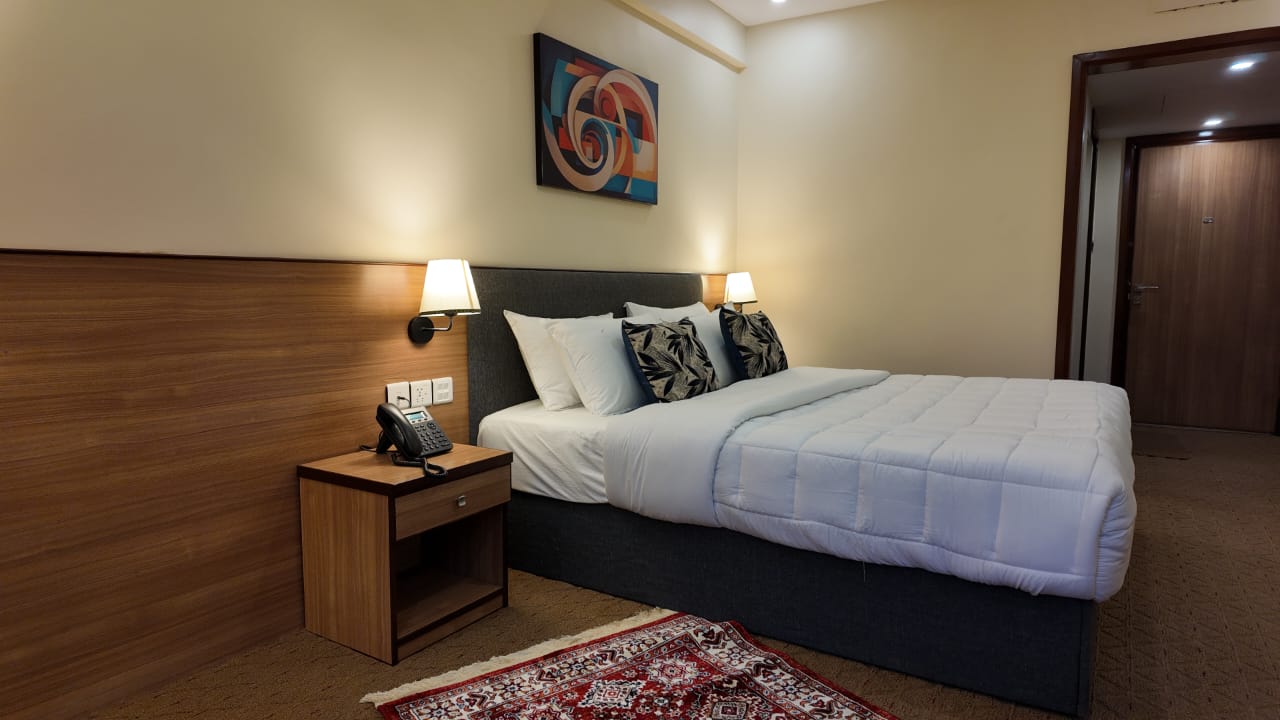
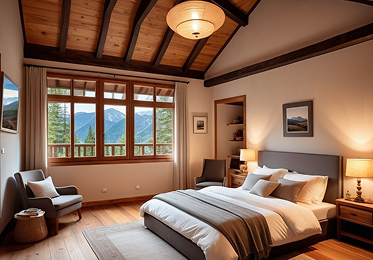
For travelers who want a well-heated stay with reliable service and easy valley access, Fortune One Hotel is worth looking at. It sits close to the main sights and offers the kind of Hunza hospitality the region is known for. If you want extra space, an Executive Suite in Hunza gives you room to spread out without sacrificing views or comfort.
Local Culture and Hunza Winter Festivals
The Ismaili community that makes up most of Hunza’s population celebrates several cultural events through winter. Hunza winter festivals, though smaller than the big summer gatherings, include traditional music evenings and Navroz preparations that begin in late February.
Winter is also when the pace of local life slows down in a way that lets you actually see it. Farmers are not in their fields. Shopkeepers have time to talk. You hear more music coming out of homes in the evening than you do in peak season.
Hunza is not a destination that exists solely for tourists. Winter offers a chance to experience everyday life in the valley at a slower and more authentic pace.
A Few Practical Things Before You Go
Clothing matters more than anything else here. Thermal base layers, a quality down jacket, waterproof boots, and gloves are non-negotiable. Karimabad has a few shops selling basic cold-weather gear, but do not count on finding your size; bring everything from home.
Cash is important. ATMs in Karimabad are limited and sometimes out of service. Bring enough from Islamabad or Gilgit to cover accommodation, food, and transport for your entire stay.
Cell service is available in most of Karimabad and the main KKH corridor, but it drops out in valleys and at high elevations. Download offline maps before you go.
Altitude is a real factor even in the main valley, which sits around 2,400 meters. Give yourself a day to adjust before doing anything strenuous. Drink water, ease into it on arrival, and you should be fine.
Final Thoughts: Is Winter the Best Time to Visit Hunza?
A winter trip to Hunza is not the easiest version of this journey. The cold is serious, logistics take more planning, and the weather does not always cooperate. But none of that takes away from what you get in return.
Fewer crowds, deeper views, better food conversations, and a version of the valley that most visitors never see, that is what winter offers. From frozen lakes and historic forts to stargazing and local festivals, the things to do in Hunza in winter are more than enough to fill a solid week.
Plan well, book somewhere warm and well-located, and give yourself enough time to actually settle in. The Hunza Valley in winter rewards those who actually show up for it.