


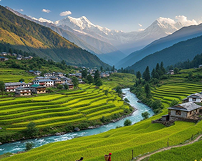
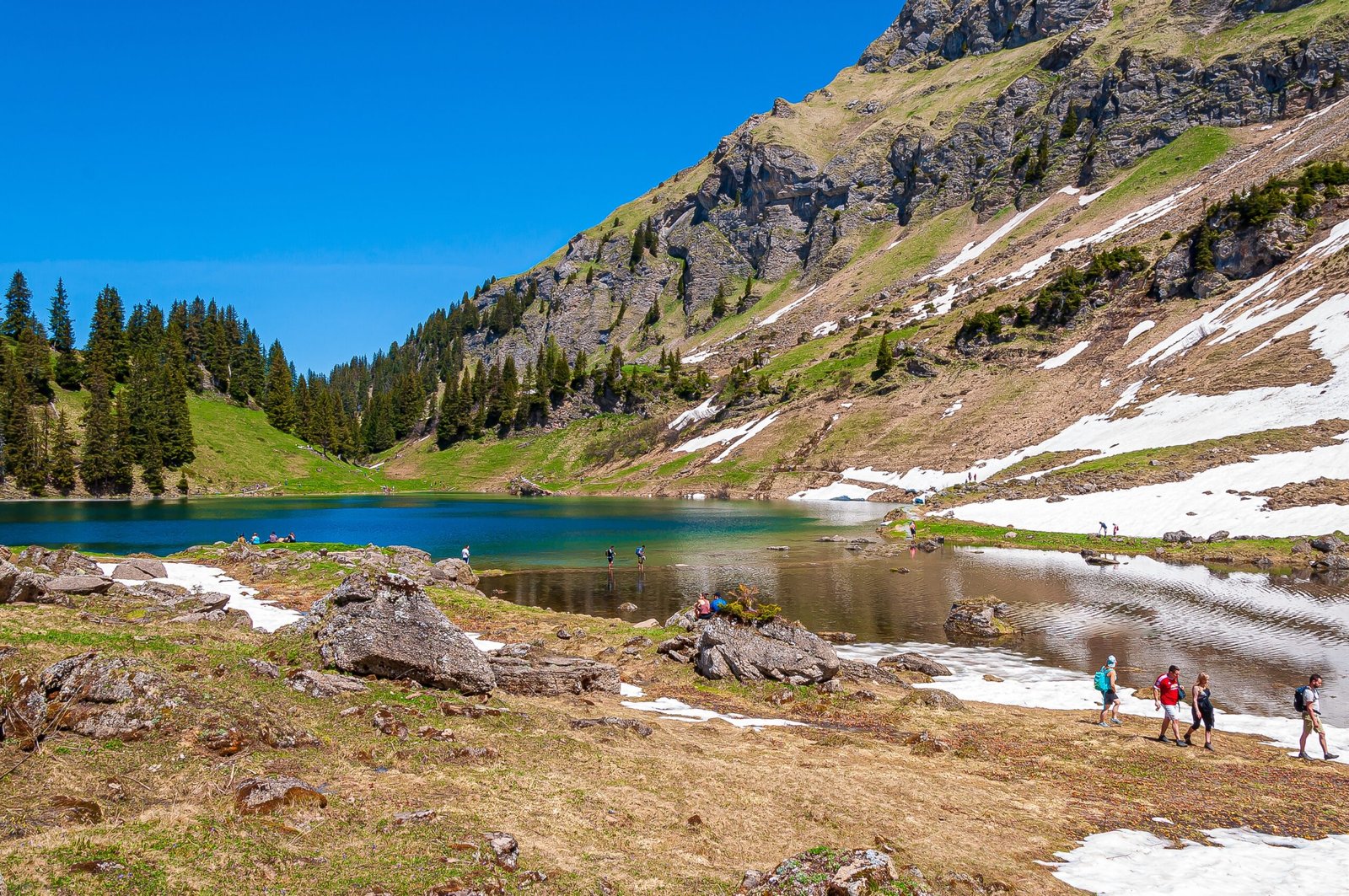
If you’ve been thinking about planning a trip to Hunza Valley, you’re not alone. Every year, thousands of travelers from Pakistan and around the world make their way to this stunning part of Gilgit-Baltistan. And honestly, it’s easy to see why. The towering peaks, the ancient forts, the incredibly friendly locals, there’s nothing quite like it.
This guide is for anyone who wants to travel to Hunza Valley and actually do it right. Whether you’re a first-timer figuring out where to start, or someone who’s visited before and wants to dig deeper, this covers everything from getting there to where to stay to what makes the people of Hunza Valley so unique.
Where Is Hunza Located and How Do You Get There?
Hunza is located in the Gilgit-Baltistan region of northern Pakistan, sitting at an elevation of roughly 2,438 meters above sea level. The Hunza location puts it along the Karakoram Highway, one of the highest paved roads in the world. This highway connects Pakistan to China and passes right through the heart of the region.
For most travelers, the journey starts from Islamabad. You can fly to Gilgit from Islamabad’s Benazir Bhutto International Airport, and from there, it’s about a two-hour drive to Karimabad, the main town in Hunza. Flying saves time, but the road trip to Hunza Valley is an experience in itself. The Karakoram Highway passes through some jaw-dropping scenery, including views of Nanga Parbat and several glaciers.
If you’re driving, expect the Islamabad-to-Hunza drive to take 14 to 20 hours, depending on stops and road conditions. Many travelers split it into two days, stopping overnight in Chilas or Besham. It’s a long haul, but the views make it worth every kilometer.
Is Hunza Safe for Travelers?
This is one of the first questions anyone asks, and the answer is a confident yes. Hunza is widely considered one of the safest regions in Pakistan for both local and international tourists. Crime rates are extremely low, locals are welcoming, and the tourism infrastructure has improved significantly over the past decade.
Is Hunza safe? Absolutely, the region has a well-deserved reputation for hospitality. The Hunza tribe has historically been known for peaceful living, and that spirit carries through in how residents treat visitors today. Women travelers also report feeling comfortable here, which says a lot.
That said, use common sense like you would anywhere. Keep an eye on weather forecasts, especially if you’re planning mountain treks, and always check road conditions before a long drive. Landslides can affect routes during heavy rain or after snowmelt.
Best Time to Visit Hunza, Pakistan
The best time to visit Hunza, Pakistan, is either spring or autumn. Here’s the breakdown:
Spring (late March to May) is famous for the cherry and apricot blossoms. The entire valley turns pink and white; it’s one of the most photographed events in Pakistan’s tourism calendar. Temperatures are pleasant, trails are opening up, and the air is fresh.
Autumn (September to November) brings golden foliage across the terraced fields and orchards. The weather is stable, the skies are clear, and the views of the surrounding peaks are at their sharpest. This is also harvest season, so local markets are full of fresh fruit and produce.
Summer (June to August) works well too, especially if you want to do serious trekking. The passes are fully open, and the days are long. Winter (December to February) is for the hardy traveler; temperatures drop sharply, some roads close, and accommodation options get limited, but the snow-covered landscape is genuinely beautiful.
Top Places to Visit During Your Hunza Tour
A good Hunza tour covers more than just Karimabad. The region has several distinct areas, each with its own character.
Karimabad and Baltit Fort
Karimabad is the hub of Hunza tourism and the first stop for most visitors. The town sits at a high elevation with views of Rakaposhi and Ultar Sar. Baltit Fort, which dates back several centuries, sits above the town and is one of the most important historical landmarks in Pakistan. It was restored in the 1990s and is now a UNESCO World Heritage Site candidate.
Nearby, Altit Fort is older than Baltit and often less crowded. The walk down to Altit village gives you a real feel for the traditional Hunzakuts ‘ daily life, narrow lanes, wooden balconies, and terraced gardens.
Attabad Lake
Attabad Lake was formed after a devastating landslide in 2010. What was once a tragedy has become one of the most striking attractions in the Hunza region. The water is an intense turquoise-blue that looks almost unreal against the brown, rocky mountains. You can take a boat ride or just sit by the shore and take it all in.
Passu and Gojal Valley
Drive further north, and you reach Passu, home to the famous Passu Cones, sharp, dramatic peaks that look like something from a science fiction film. The suspension bridge near Hussaini village is another popular spot, though it’s not for the faint-hearted. This area is part of the Upper Hunza or the Hunza Nagar district and feels more remote than Karimabad.
Rakaposhi Viewpoint
About an hour south of Karimabad, the Rakaposhi Viewpoint near Minapin offers one of the closest accessible views of the 7,788-meter peak. On a clear day, the view is extraordinary. There are guesthouses nearby if you want to wake up to this view in the morning.
The People of Hunza Valley and Their Fascinating Culture
The people of Hunza Valley are predominantly Ismaili Muslims and are known throughout Pakistan for their high literacy rates and progressive outlook. Education has been a priority in the region for decades, partly due to the influence of the Aga Khan Development Network, which has funded schools and healthcare facilities here.
The Hunzas speak their own language called Burushaski, which has no known linguistic relatives; it’s a language isolate. Many locals also speak Shina, Wakhi, Urdu, and English, making communication easy for visitors.
Culturally, the valley of Hunza has a strong tradition of music, polo, and festivals. The Ginani Festival in spring celebrates the new planting season, while local polo matches are a fun way to see community life in action.
The Hunza Diet: What Do the Hunzakuts Eat?
The traditional Hunza diet has attracted global attention for decades. Researchers and health writers have pointed to the long lifespans historically reported in the region and linked them to local food habits. This way of eating is largely plant-based and relies heavily on locally grown produce.
Staples include apricots (fresh and dried), walnuts, mulberries, buckwheat, barley, and a flatbread called chapshuro. Dairy products like fresh milk and butter are also common. This diet is low in processed food and high in whole grains and fruit.
What the Hunzakuts eat isn’t a magic formula, but it does reflect a lifestyle that’s connected to the land and seasonal rhythms. Dried apricots, in particular, are a staple food here and are exported across Pakistan. You can buy them in local markets, and they make for a great souvenir.
When you visit, try the local food at small restaurants in Karimabad. Dishes like diram fiti (a traditional bread with walnut filling) and harissa are worth seeking out. Hunza’s food culture isn’t just interesting to read about; it’s genuinely delicious to experience.
Where to Stay: Accommodation in Hunza Valley
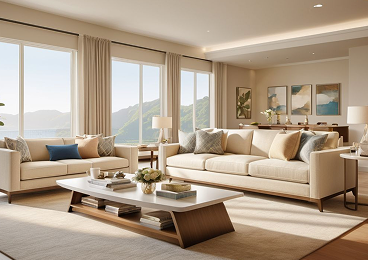
Accommodation in Hunza, Pakistan, has improved a great deal in recent years. You can find everything from basic guesthouses to mid-range hotels, and increasingly, options that offer genuine comfort without sacrificing that connection to the mountains.
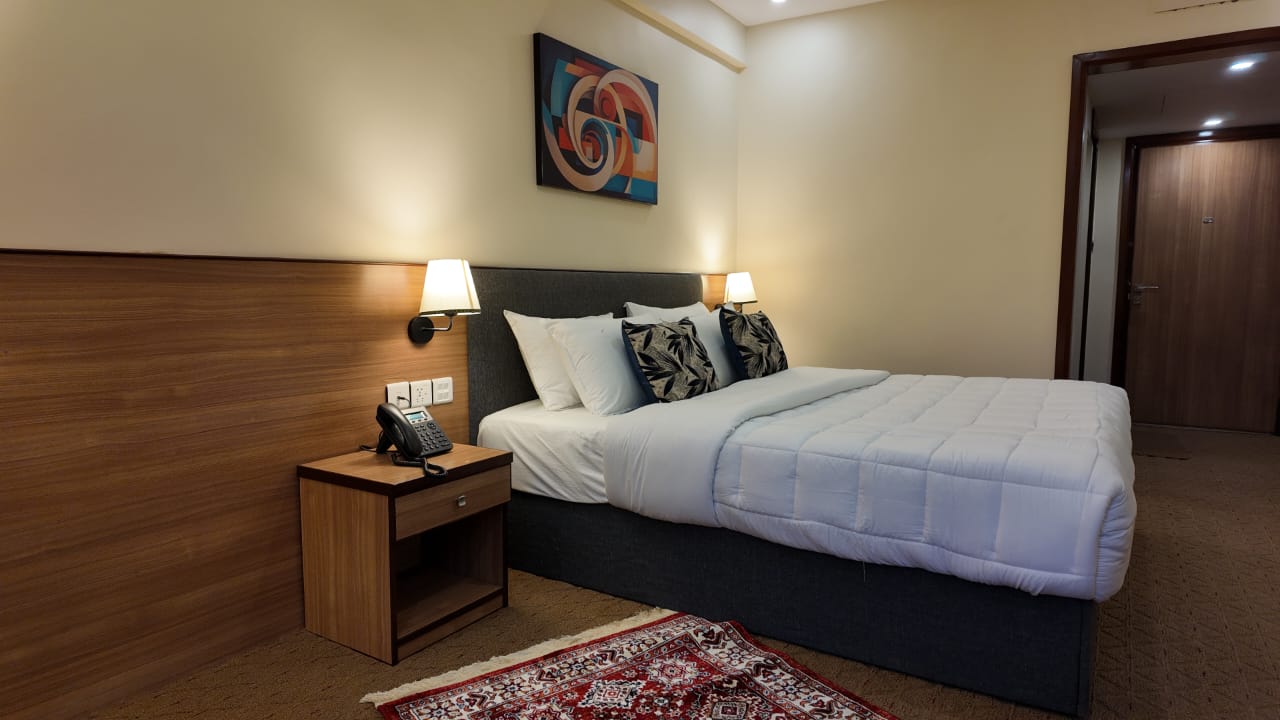
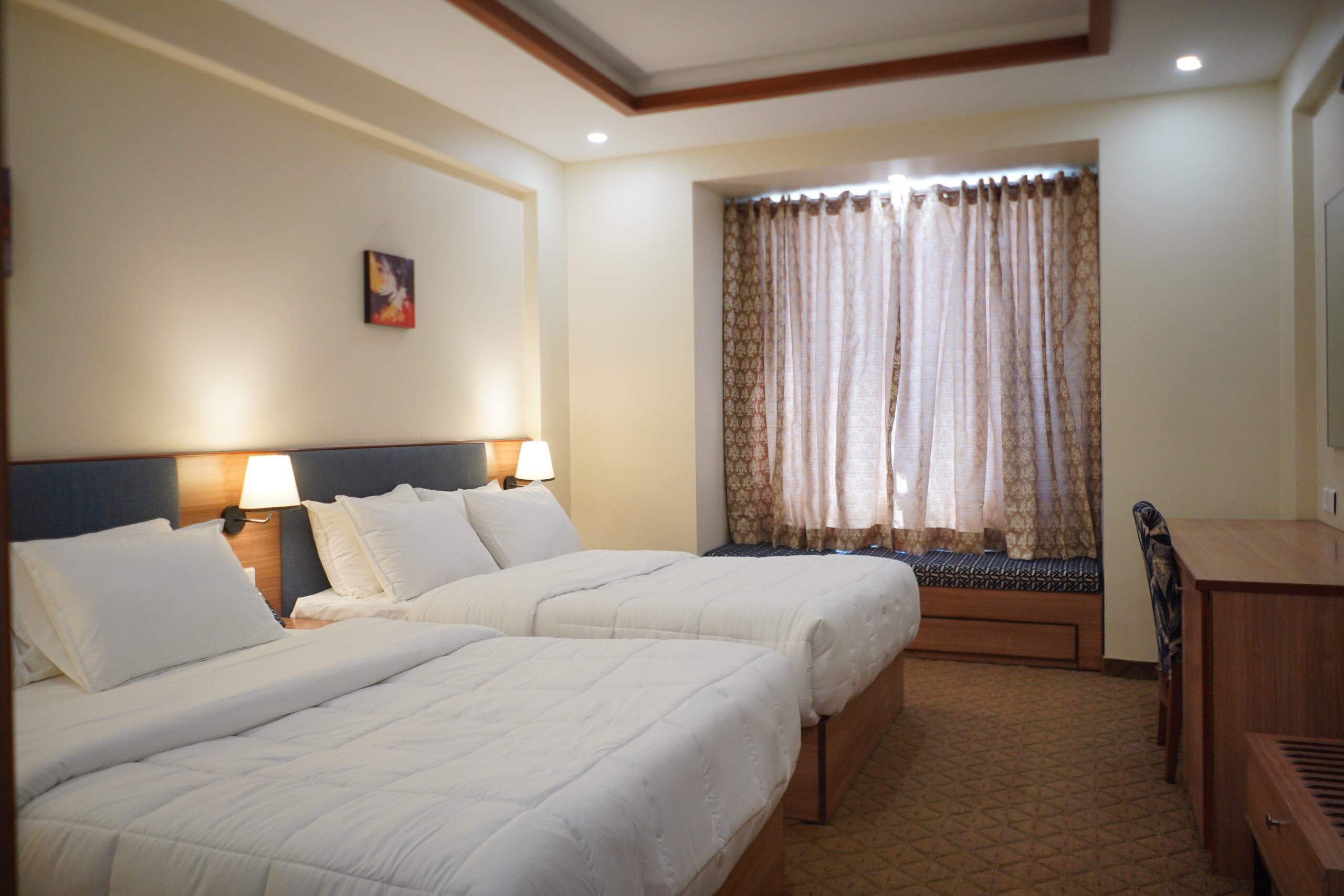
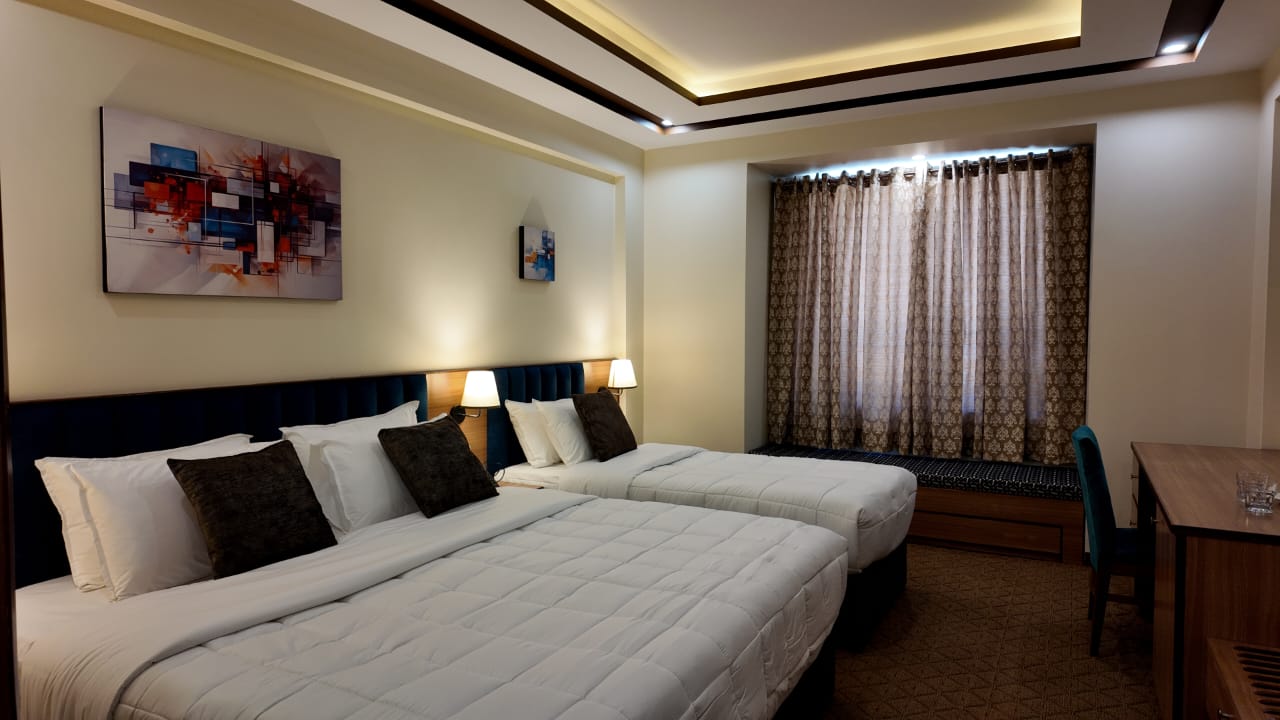
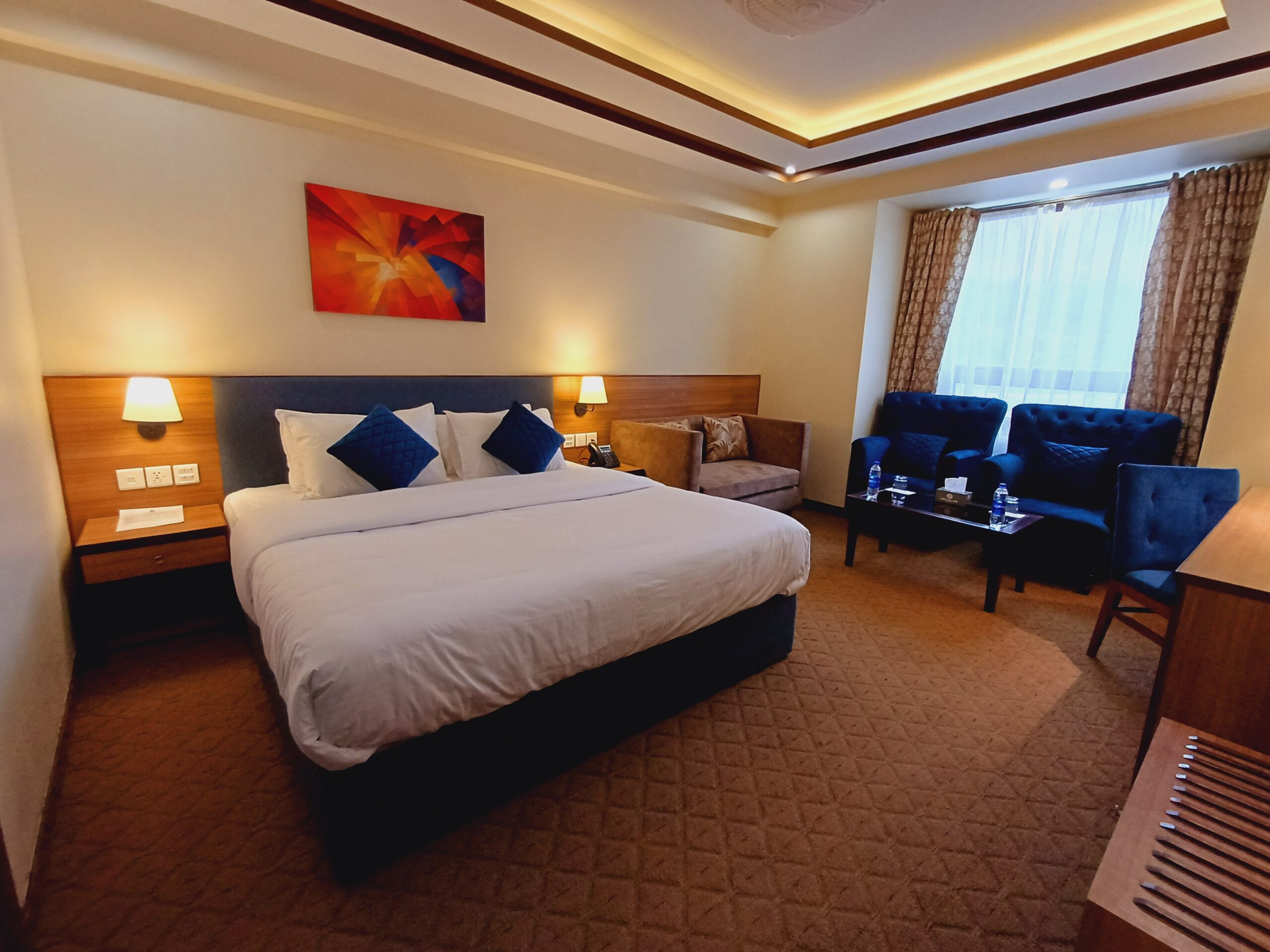
For travelers who want a reliable, well-equipped base, Fortune One Hotel is one of the standout options in the region. It’s a 3-star property that brings a level of quality that’s rare in this part of Pakistan, and it manages to do so without feeling out of place in the valley setting.
The hotel offers 24/7 room service, which is genuinely useful when you’ve had a long day on the road or after a trek. Free WiFi keeps you connected, and free parking means you don’t have to worry about your vehicle if you’ve driven up on the Karakoram Highway. Their taxi service is also handy for day trips when you’d rather not drive yourself.
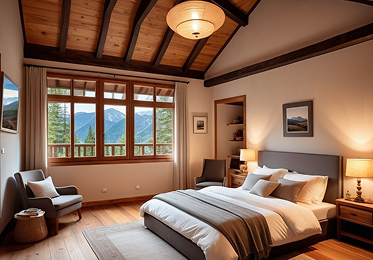
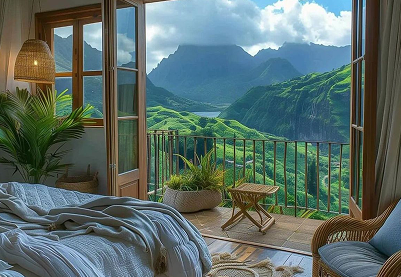
Rooms are equipped with 42-inch LCD TVs, a writing desk, a telephone, a kettle for tea, a safety deposit box, and WiFi access, basically everything you’d want after a day of sightseeing. Several room types come with a balcony or terrace, which, given the mountain views on offer, is something you’ll genuinely appreciate. Breakfast is included, so your mornings start well without the hassle of finding a restaurant.
If you’re traveling with family, the Best Deluxe Triple Room is a great pick, as it gives everyone enough space without cramping the budget. For couples or business travelers wanting something a step up, the Best Superior Deluxe Room delivers solid comfort with all the key amenities. And for those who want the full premium experience, the Best Executive Suite comes with a living room setup, more space, and a higher level of finishing throughout.
For business travelers or groups, the hotel also has meeting rooms with proper facilities, useful if you’re combining work with travel. The catering and dining experience covers both local and international food, so you’re not stuck eating the same thing every day. King bed options are available for those who prioritize a good night’s sleep, and the mountain view rooms are among the most sought-after for obvious reasons.
Hunza Valley Tourism: Trekking and Outdoor Activities
Hunza Valley tourism has expanded significantly over the past decade. What used to be primarily a transit point on the Karakoram Highway is now a destination in its own right, with a range of outdoor activities that appeal to different types of travelers.
Trekking is the big one. Routes range from easy half-day walks to multi-day expeditions. The trek to Ultar Sar Base Camp is one of the most popular near Karimabad. It’s a full day and fairly demanding, but the views are extraordinary. Eagle’s Nest viewpoint, accessible by jeep or a steep hike, gives a panoramic view of the valley at sunset that people genuinely talk about for years.
Glacier visits are another draw. The Batura Glacier, one of the longest outside the polar regions, is accessible from the upper valley. Jeep safaris, rock climbing, and mountain biking are also available through local tour operators.
For those interested in cultural tourism, village walks in Altit and Ganish (one of the oldest settlements in the Hunza region) are deeply rewarding. Local guides add a lot to these visits.
Practical Tips for Your Trip to Hunza Valley
A few things that make a real difference when you travel to Hunza:
Cash is king. ATMs exist in Karimabad but can be unreliable, especially in the off-season. Bring enough cash from Gilgit or Islamabad to cover your stay. Mobile network coverage is decent with some carriers (Ufone and SCO tend to work well), but don’t count on data for navigation in remote areas.
Altitude is real. Karimabad sits at about 2,400 meters, and if you’re coming from sea level, take a day to adjust before doing any serious hiking. Drink plenty of water and don’t push too hard on day one.
Dress respectfully. Hunza is progressive by Pakistani standards, but it’s still a conservative region overall. Light layers that cover shoulders and knees work well and also help with the variable temperatures.
Book accommodation ahead if you’re visiting during peak season (April-May and September-October). Rooms at good hotels fill up quickly during the cherry blossom and harvest seasons.
Pack a power bank. Load shedding can happen, and you don’t want to be caught with a dead phone when you’re trying to navigate mountain roads.
Hunza Valley Pakistan: A Region That Stays With You
There’s something about Hunza Valley in Pakistan that gets under your skin. It’s not just the scenery, though the scenery is genuinely exceptional. It’s the combination of the mountains, the history, the food, the people, and that feeling of being somewhere that most of the world hasn’t discovered yet.
Pakistan’s Hunza Valley is increasingly on the international travel map, and for good reason. Travel publications and adventure bloggers have been writing about it for years, and word is spreading fast. If you’re thinking about when to go, sooner is probably better, not because it’s going to be ruined, but because a less-crowded experience is always a better experience.
Hunza Valley, Pakistan, offers something rare in modern travel: a place where the infrastructure is improving without the soul being lost. The locals are proud of their home, protective of their culture, and genuinely glad to have visitors who respect that.
Frequently Asked Questions About Hunza Valley
Is a special permit required to visit Hunza Valley?
No special permit is needed for Pakistani nationals. Foreign tourists also do not require a separate permit for Hunza itself, though certain restricted border zones near the China frontier require prior clearance. Always check current regulations with your local travel agent before departing.
How many days should I plan for a Hunza Valley trip?
A minimum of four to five days lets you cover Karimabad, Baltit Fort, Altit Fort, and Attabad Lake without rushing. Seven to ten days is ideal if you want to explore upper Hunza (Passu, Gojal Valley) and do any trekking. Two weeks open up multi-day expeditions and glacier visits.
Can I visit Hunza Valley in winter?
Yes, but with some preparation. Temperatures in Karimabad can drop well below freezing between December and February. Some roads may close due to snowfall, and accommodation options are more limited. That said, the snow-covered peaks and quiet valleys make for a stunning, crowd-free experience that some travelers prefer.
What currency should I carry to Hunza?
Pakistani Rupees (PKR) are the only widely accepted currency in Hunza. ATMs in Karimabad can be unreliable, especially in off-peak months, so it is strongly advised to withdraw sufficient cash in Gilgit or Islamabad before heading up. Card payments are rare outside of a few larger hotels.
Is Hunza Valley suitable for solo female travelers?
Hunza is widely regarded as one of the most welcoming regions in Pakistan for solo female travelers. The Ismaili community’s progressive values, combined with high literacy rates and a culture of hospitality, create an environment that many solo women travelers describe as comfortable and safe. As with any destination, basic travel precautions and respectful dressing go a long way.
What is the best way to get from Islamabad to Hunza Valley?
Flying to Gilgit and driving from there (roughly two hours) is the fastest option. Alternatively, the overland drive along the Karakoram Highway takes 14 to 20 hours from Islamabad and is a remarkable journey in its own right. Many travelers split it over two days with an overnight stop in Chilas. Shared vans and private cars are both widely available from Gilgit.
Final Thoughts on Planning Your Travel to Hunza Valley
Whether you’re planning a quick weekend escape from Islamabad or a two-week deep dive into the Karakoram, travel to Hunza Valley delivers on its promise. Few places in the world combine natural beauty, cultural richness, and warm hospitality quite like this corner of northern Pakistan.
Plan your route, sort your accommodation early, bring some cash, and be prepared to be genuinely surprised. Hunza has a way of exceeding expectations, even for travelers who’ve heard about it for years.
And when you get there, take your time. The valley of Hunza rewards slow travel. Sit with a cup of local tea, watch the sunset hit the peaks, and enjoy what is, by any honest measure, one of the most remarkable places on earth.