




There is a place in northern Pakistan where people seem to age differently. Hunza Valley, Pakistan, draws researchers, travelers, and health enthusiasts from around the world, not just for its jaw-dropping mountain scenery, but for the people who have called it home for centuries. The Hunzakuts, as they are locally known, have long been studied for their remarkable health and longevity.
So what is their secret? Is it the altitude, the clean air, the close-knit community, or is it simply the way they eat? The Hunza diet has attracted serious scientific attention over the decades. And while no single factor tells the whole story, their lifestyle offers lessons anyone can learn from.
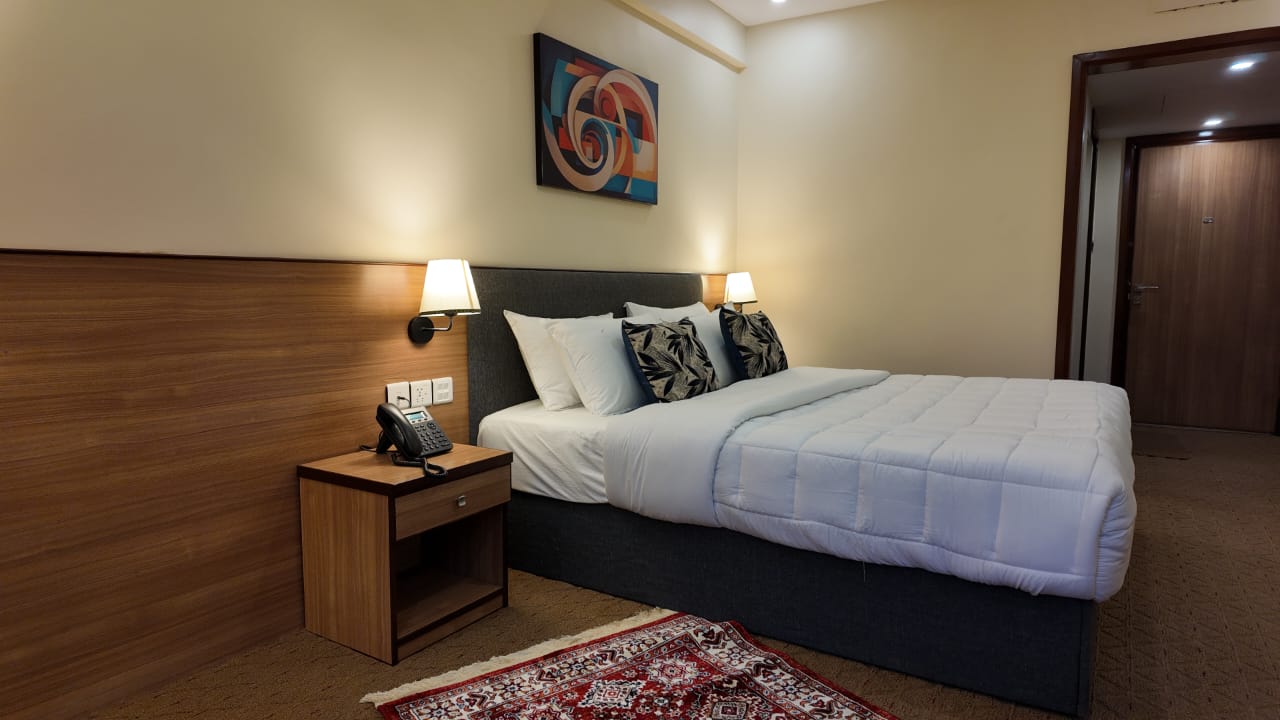
If you are planning a visit to this breathtaking region, staying at a place like Fortune One Hotel gives you the perfect base to experience Hunza life up close, from local food to mountain trails and the warmth of Hunzakut hospitality.
Who Are the Hunza People?
The Hunza tribe is an ethnic group indigenous to the Hunza Valley, located in the Gilgit-Baltistan region of northern Pakistan. Surrounded by some of the highest peaks on earth, including Rakaposhi and Ultar Sar, this community has developed a distinct culture, language, and way of life shaped by both geography and history.
The Hunzakuts speak Burushaski, a language isolate with no known relation to any other language in the world. They are predominantly Ismaili Muslims, followers of the Aga Khan, who have historically given them strong access to education and healthcare relative to other remote areas in Pakistan.
The people of Hunza Valley are known for being warm, educated, and welcoming. Women in Hunza have long enjoyed more freedom than in many other parts of Pakistan; they participate in public life, sports, and education. This social openness is as much a part of the Hunzakut identity as the mountains around them.
The Hunza Diet: Simple Food, Extraordinary Results
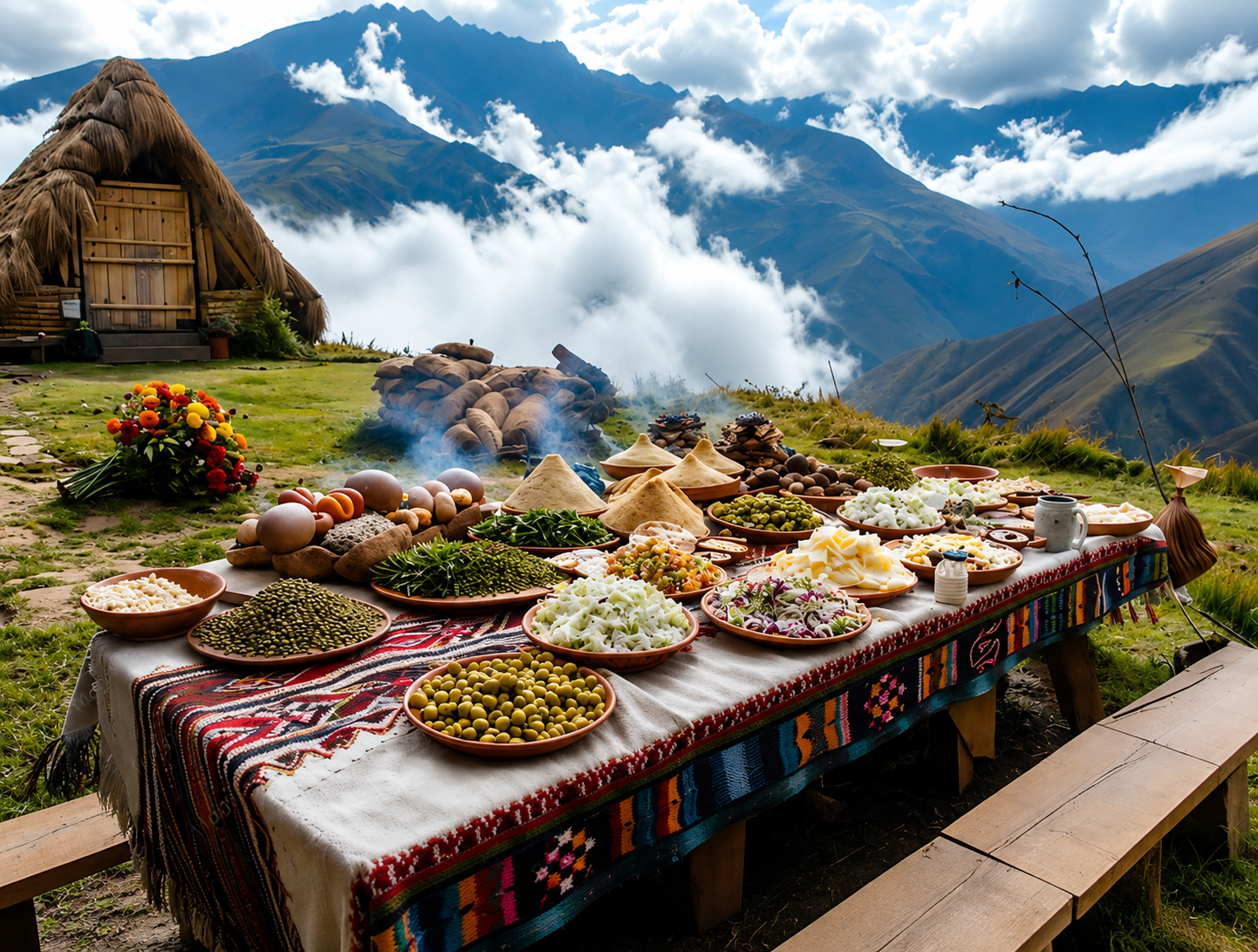
The Hunza diet is not complicated. In fact, its simplicity is part of what makes it so interesting. Traditionally, Hunzakuts ate mostly plant-based foods, fresh and dried apricots, whole grains like millet and buckwheat, legumes, vegetables, dairy, and occasional meat. Portions were naturally small because food was grown locally and harvested seasonally.
Apricots are central to the Hunzakuts’ diet and are almost a symbol of the valley itself. Hunzakuts eat them fresh in summer, dry them on rooftops for winter, press them for oil, and even use the bitter kernels in traditional cooking. The apricot trees dotting the valley are not just food sources; they are part of the cultural identity of the Hunzakuts.
What is notably absent from the traditional Hunzakut diet is processed food, refined sugar, and excess salt. Historically, this was not a choice; it was simply the reality of living in a remote mountain valley. But the result, researchers argue, was a population with remarkably low rates of chronic disease.
What Do Hunzakuts Actually Eat Daily?
A typical day in the traditional Hunza diet might look like this: a light breakfast of chapshuro (a local flatbread) or porridge made from millet, followed by a lunch of dal, seasonal vegetables, and fermented dairy. Dinner is usually modest, with more grain-based dishes, perhaps some dried fruit.
Glacial water, high in minerals, is consumed throughout the day. Hunzakuts also drink a light wine made from grapes or mulberries, which has long been a topic of curiosity among health researchers studying the community.
Meat is eaten, but not daily. When it is consumed, it tends to be chicken or goat, and in small amounts. This naturally moderate protein intake, combined with high consumption of fiber-rich plants, aligns well with what modern nutrition science considers a heart-healthy eating pattern.
Longevity in Hunza Valley: Fact or Folklore?
Stories about Hunzakuts living past 100, some claims go as high as 140 or 150 years, have circulated in Western health literature since the early 20th century. A British army surgeon named Robert McCarrison was among the first outsiders to formally document the health of the Hunza people, publishing observations about their extraordinary vitality and near-absence of disease.
The reality is more nuanced. Birth records in remote mountain villages were not always kept accurately, making precise age verification difficult. Still, researchers consistently note that chronic diseases like heart disease, type 2 diabetes, and certain cancers appear to be significantly less prevalent among traditional Hunzakut communities compared to urbanized populations.
Most health experts today attribute the impressive health outcomes not to any single superfood but to the overall lifestyle: physical activity from walking steep mountain terrain daily, a low-calorie, plant-rich diet, strong community bonds, and low levels of chronic stress. The Hunza Valley, Pakistan, environment itself plays a role: clean air, clean water, and a slower pace of life.
Hunza Valley Today: How Things Have Changed
The construction of the Karakoram Highway changed everything. Once almost completely cut off from the outside world for months each year due to snowfall, the Hunza Valley became accessible year-round, and with access came rapid change.
Processed foods, mobile phones, tourism infrastructure, and modern conveniences have all arrived. Today, you will find everything from fast food snacks to international tourists in Karimabad, the main town of Hunza. Younger generations increasingly eat differently from their grandparents, more sugar, more packaged foods, and less reliance on locally grown grains and apricots.
This shift has health researchers paying attention. The question being studied is whether the health advantages previously associated with the Hunzakuts persist as their diet modernizes. Early indications suggest that, as with many transitioning communities, some of the advantages may diminish over time as dietary patterns Westernize.
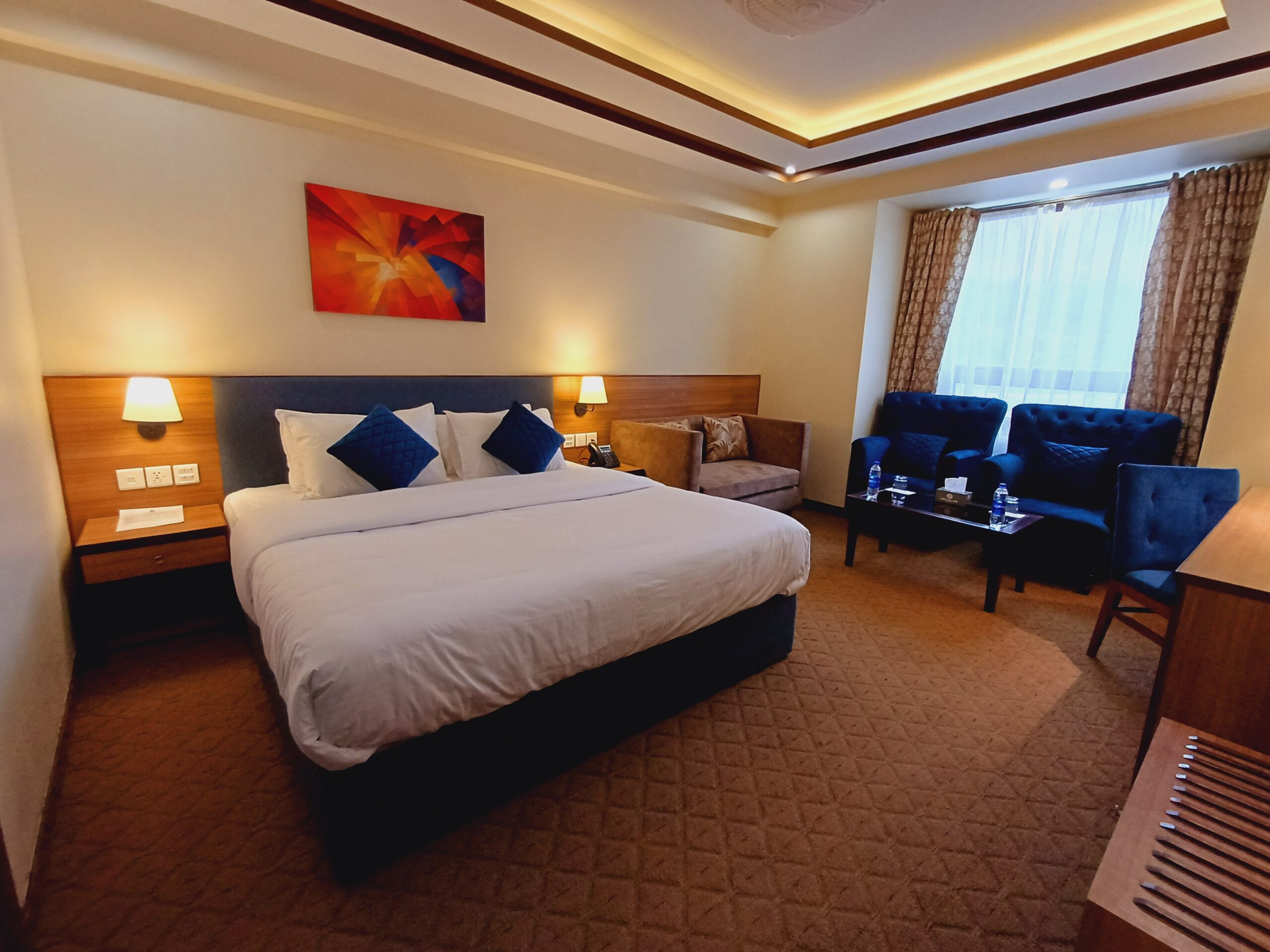
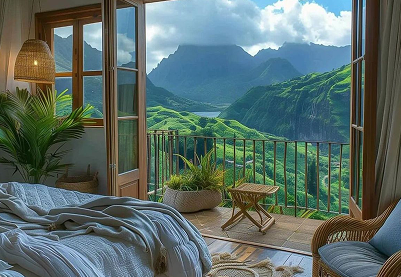
For visitors, however, the valley remains stunning. Fortune One Hotel offers the Best Executive Suite in Hunza, letting you experience the region’s natural beauty in full comfort, watching sunsets paint the Karakoram peaks in gold while sipping locally sourced apricot tea.
What Visitors Can Learn from the Hunzakut Way of Life
You do not have to adopt a full Hunza diet to take something valuable home from a trip to Hunza Valley. Spending even a few days here shifts your perspective on food, pace, and community.
The local food in Hunza is worth trying on its own terms. Chapshuro, apricot-based dishes, walnut chutneys, and fresh dairy are not just curiosities; they are genuinely delicious. Many guesthouses and hotels in the valley now offer traditional Hunzakut meals alongside more familiar dishes, giving visitors a taste of the valley’s culinary heritage.
Walking is also central to life in Hunza. The trails here range from gentle village walks to serious high-altitude treks. Even a short morning walk above Karimabad, with views of Rakaposhi stretching above you, gives you a sense of why physical movement is so woven into daily life here.
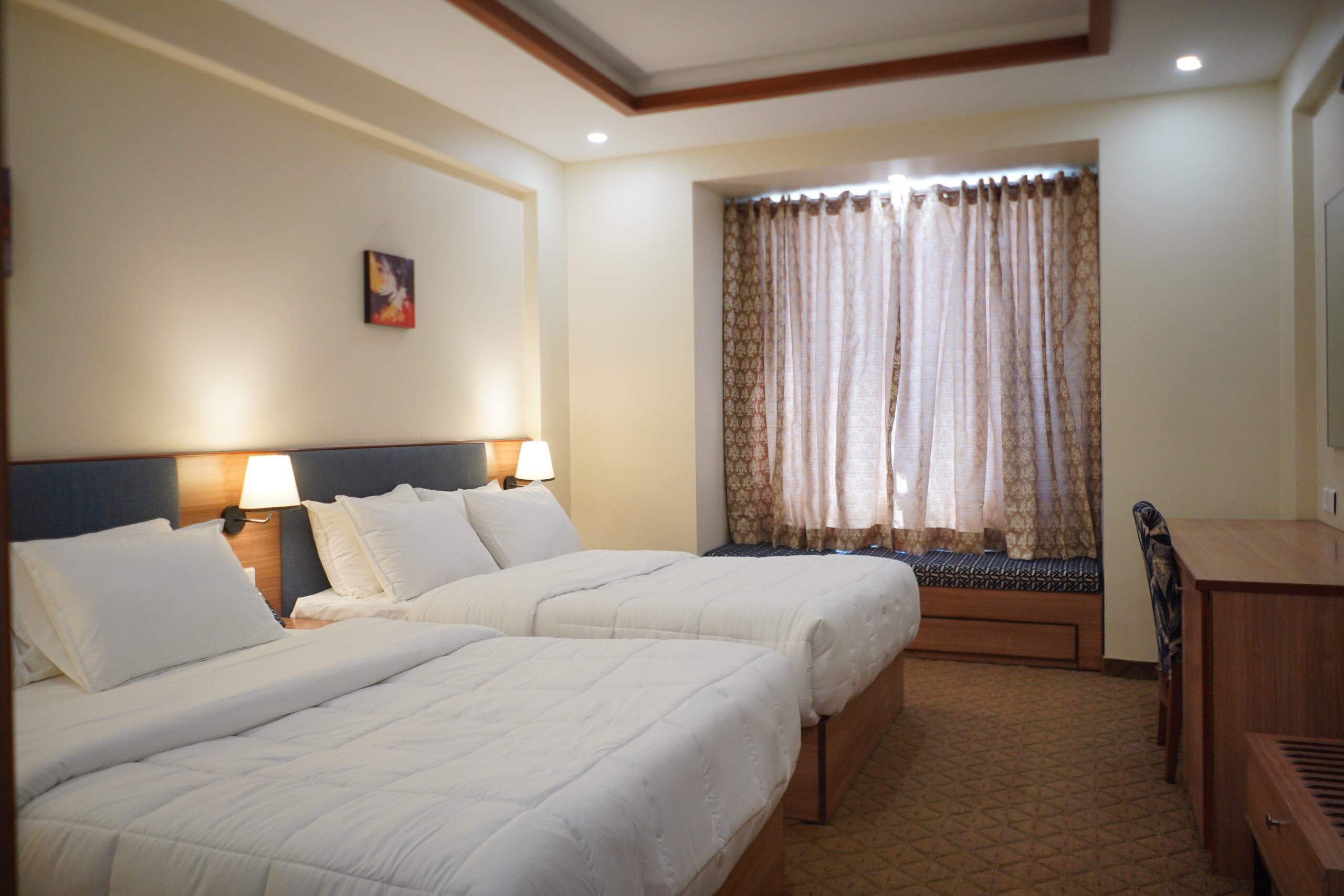
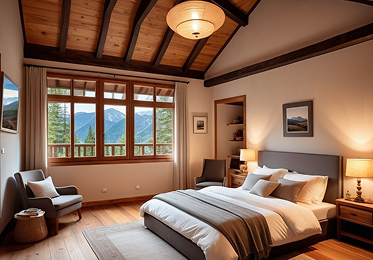
Travelers who prefer comfort without sacrificing the experience often choose Fortune One Hotel’s Best Superior Deluxe Room for its mountain views and easy access to local trails, markets, and cultural sites.
Best Time to Visit Hunza Valley, Pakistan
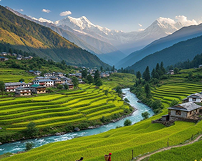
Spring, from late March through May, is the most celebrated time to visit. The apricot and cherry blossoms transform the valley into something almost unreal. Pink and white flowers blanket the terraced hillsides against a backdrop of snow-capped peaks. This is also when local life is at its most active, with planting season underway and local festivals taking place.
Autumn, from September through November, is another favorite. The apricots are harvested, the poplars turn gold, and the skies are clearer than almost anywhere else on earth. Temperatures are comfortable during the day, and the tourist crowds are thinner than in summer.
Summer brings the most visitors but also the most unpredictable weather. Landslides on the Karakoram Highway can occasionally disrupt travel plans, so it is worth building some flexibility into your itinerary. Winter is cold, and some roads close, but the valley has a stark beauty in snow that appeals to a certain kind of traveler.
FAQs
What do the people of Hunza Valley eat every day?
Traditionally, the Hunzakuts eat a plant-based diet centered on apricots, whole grains like millet and buckwheat, legumes, and seasonal vegetables. Dairy is consumed regularly, and meat is eaten occasionally in small portions. Processed foods were historically absent from their diet, though modern access has changed eating habits in younger generations.
Why are the Hunza people known for long life?
The Hunzakuts gained international attention from early 20th-century researchers who observed low rates of chronic disease and reports of exceptional longevity. While some age claims were exaggerated due to poor record-keeping, health researchers have noted that the traditional Hunza lifestyle, simple diet, daily physical activity, clean environment, and strong community contribute to notably good health outcomes.
Is it safe to travel to Hunza Valley, Pakistan?
Yes, Hunza Valley is considered one of the safer regions for tourists in Pakistan. The local population is known for being hospitable and welcoming to visitors. The main practical considerations are road conditions on the Karakoram Highway and altitude sickness at higher elevations. Traveling with a reputable tour guide and booking accommodation in advance is recommended.
What language do the Hunza people speak?
The primary language of the Hunzakuts is Burushaski, which is a language isolate, meaning it has no confirmed relationship to any other known language in the world. Urdu and English are also widely spoken, particularly among younger, educated Hunzakuts, making communication easy for most visitors.
What is the best time to visit Hunza Valley?
The best times to visit Hunza Valley are spring (late March to May) for the famous blossom season and autumn (September to November) for clear skies and the harvest season. Both periods offer comfortable temperatures and stunning scenery. Summer is the peak tourist season, while winter travel is limited due to road closures and cold temperatures.
Final Thoughts
The Hunza tribe is not a myth or a marketing story. They are a real community with a rich history, a distinct culture, and a way of eating and living that genuinely sets them apart. Whether you come to Hunza Valley, Pakistan, for the mountains, the culture, or the food, or all three, you will leave with a different perspective on what a good life can look like.
The Hunza diet does not ask you to follow any strict rules. It simply points toward eating real food, moving your body, spending time in nature, and staying connected to the people around you. Not a bad takeaway from a valley perched at the top of the world.
If a visit to this remarkable place is on your list, plan it well, give yourself time to slow down, and let Hunza work its quiet magic on you.