
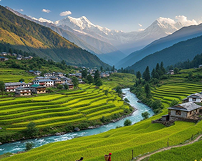
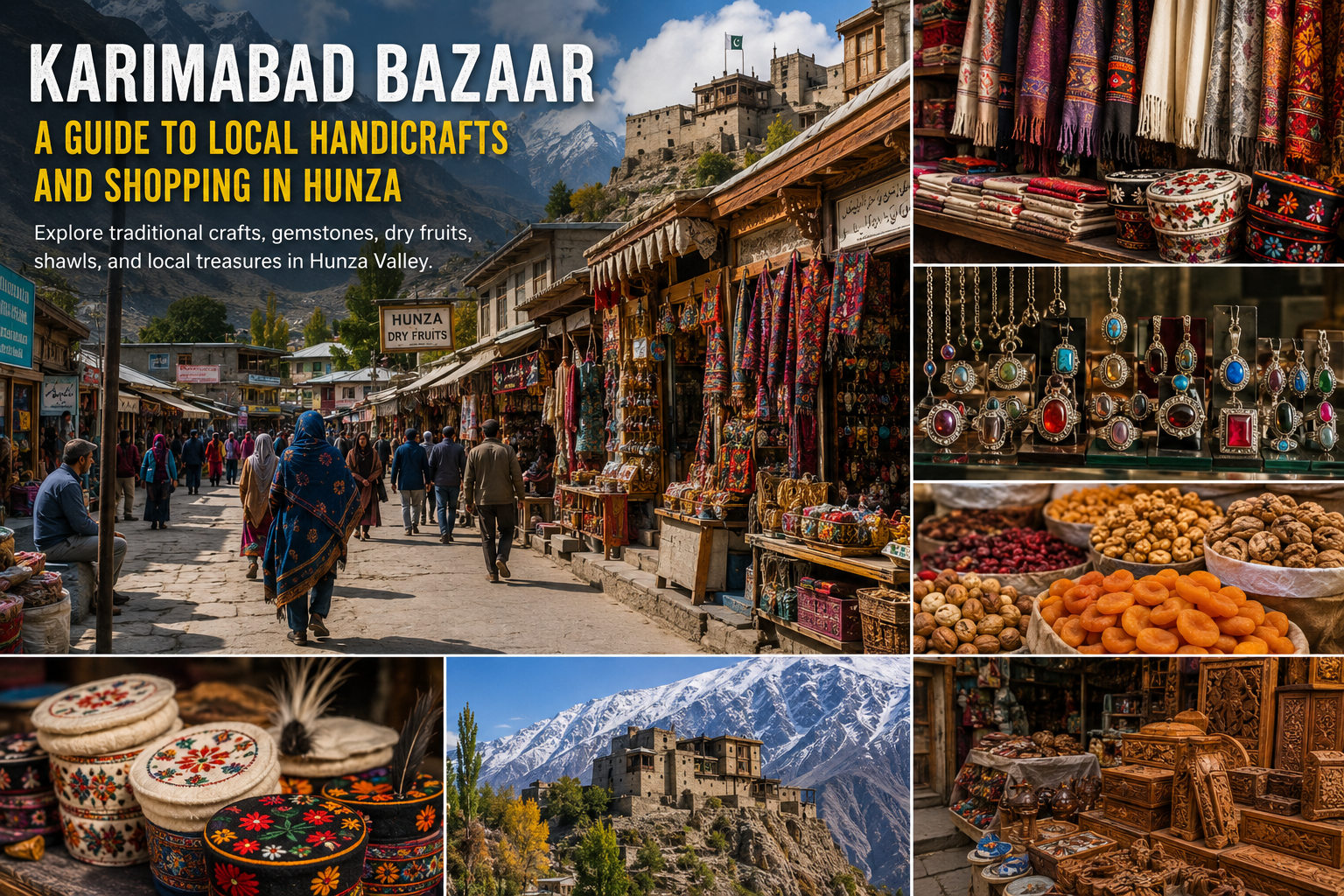
If you’re planning a trip to Hunza Valley, a walk through Karimabad Bazaar should be near the top of your list. This small mountain market sits just below Baltit Fort and has worked as the main trading hub for the region for generations. Local shopkeepers sell everything from hand-knitted shawls to polished gemstones, and much of what you find here is made by families who still practice these crafts at home. Whether you’re after a souvenir or just want to see how Hunza culture shows up in daily life, this market gives you a real, unscripted look at local commerce, without the polish you’d find in a bigger city bazaar.
Karimabad Bazaar is the main shopping market in Hunza Valley, best known for hand-woven shawls, traditional caps, gemstone jewelry, dry fruits, and wooden handicrafts made by local families. It sits a short walk below Baltit Fort in the town of Karimabad, and most shops stay open from mid-morning until early evening.
Getting to Know Karimabad Bazaar
Karimabad sits at an elevation of around 2,500 meters, and the bazaar runs along the main road that climbs toward Baltit Fort, which is only a few minutes’ walk from almost anywhere in the market. Baltit Fort itself dates back roughly 700 years as the residence of the Mirs of Hunza, and that long history is part of why Karimabad grew into the region’s central trading point in the first place. Most shops here are small, family-run spaces that have been passed down through two or three generations.
This isn’t a market built purely for visitors — it grew out of the real needs of local families, and that history still shapes what you see on the shelves today. One main street runs through the center, with side lanes branching off toward smaller stalls and food shops. Karakoram tourism has grown a lot over the past decade, and the bazaar has adjusted without losing its character. Old wooden shopfronts still sit next to newer stores, and most vendors are happy to talk about where a product came from if you ask them directly.
The Atmosphere of Karimabad Bazaar
Mornings in Karimabad market have a slower rhythm. Shopkeepers roll up shutters, sweep the front steps, and set out fresh trays of dried apricots and walnuts before the first buses of tourists arrive. The smell of roasted nuts and dried fruit tends to drift down the whole street by mid-morning, mixed with woodsmoke from nearby tea stalls.
By late afternoon, the pace picks up. Voices carry between shopfronts as vendors call out to regulars, groups of visitors compare shawls out loud, and the narrow lanes fill with a mix of Burushaski, Urdu, and English. Evenings bring a quieter close, with strings of lights coming on along the main street and a handful of shops staying open a little later for anyone still finishing up their shopping in Hunza Valley.
What to Buy in Karimabad Bazaar
People visiting for the first time often ask what to buy in Karimabad Bazaar, and the honest answer is that it depends on how much space you have in your bag. Textiles, jewelry, dried fruit, and small wooden items are the four categories that come up again and again, and each has its own section of the market. A Karimabad shopping guide built around these four categories will cover almost everything a first-time visitor needs when it comes to things to buy in Hunza.
If you only have an hour or two, walk the full main street once before buying anything. Prices and quality can differ quite a bit between shops selling similar items, and a short first pass gives you a sense of what’s out there before you commit to anything. Most shopkeepers won’t mind if you look without buying on that first round, and a few will point you toward a neighboring stall if they don’t stock what you’re after themselves.
Travelers who prefer a bit of structure sometimes hire a local guide for an hour or two, mainly to get context on what they’re looking at rather than to negotiate prices. A guide can also help translate when a shopkeeper only speaks the local dialect, which happens more often with older vendors than younger ones running family stalls.
Traditional Handicrafts in Hunza Worth Buying
Traditional handicrafts in Hunza cover a wide range of skills — weaving, embroidery, woodworking, and stone cutting all show up somewhere in this part of town. Local artisans learn most of these skills from parents or grandparents, and very little of it is mass-produced. Anyone after local crafts in Hunza with some actual history behind them should start here rather than at the stalls closer to the parking area.
Traditional embroidery stands out as one of the more recognizable crafts on offer. It shows up on caps, cushion covers, and small bags, usually stitched by hand with bright thread patterns that vary from village to village. Carved wooden boxes, walking sticks, and small decorative pieces made from local wood fill several stalls near the center of the bazaar, and these pieces travel better than most fabric souvenirs since they don’t crease or wrinkle in a suitcase.
Hunza artisan products aren’t limited to textiles and wood. A handful of stalls sell hand-stitched leather goods and small metalwork pieces, though these are less common and tend to sell out early in the tourist season. Spotting something unusual is usually a sign to buy on the spot rather than come back later, since one-off pieces rarely last more than a day or two on the shelf.
Hunza Shawls and Traditional Caps
Hunza shawls are probably the single most popular item among visitors, and it’s easy to see why. They’re made from local wool, often hand-spun, and the patterns tend to reflect the region rather than following a standard commercial design. Prices climb quickly once you move into finer weaves or larger sizes, so comparing a few shops before deciding usually pays off.
Hunza traditional caps are another common find in the market and part of everyday dress for many local men. The embroidered versions make practical souvenirs since they pack down small, and Hunza souvenirs like these tend to hold their color and shape far longer than mass-produced alternatives sold elsewhere. Handmade wool products in general — socks, gloves, and small blankets — round out this part of the bazaar, especially useful if you’re visiting during colder months.
Asking a shopkeeper how long a particular shawl took to make is a fair question, and most are glad to explain the process. The answer usually tells you a lot about why one piece costs noticeably more than another sitting right next to it.
Hunza Gemstones and Jewelry
Hunza gemstones are another reason people set aside a whole afternoon for shopping here. Ruby, aquamarine, and topaz are mined in nearby areas, and Karimabad has several shops built almost entirely around gemstone jewelry, both loose stones and finished pieces. Quality and pricing shift noticeably from shop to shop, so it helps to ask where a stone came from before spending much on it.
Not everything sold as a local gemstone actually comes from the region, so a bit of caution goes a long way. Shops with a longer track record, or a recommendation from a local guide, tend to be a safer bet than the very first stall you pass on the street.
Loose stones cost less than set jewelry, since you’re not paying for the metalwork around them. Anyone planning to have a stone set later back home should ask the shopkeeper for a small note on what they’re buying — it isn’t always offered automatically, but most sellers will write one up if asked directly.
Hunza Dry Fruits Market
The Hunza dry fruits market is worth a stop even for travelers who don’t usually shop on trips. Apricot products are the local specialty — dried apricots, apricot oil, and apricot kernels turn up in nearly every food stall along the street. Walnuts, almonds, and mulberries sell in large quantities too, usually by weight, straight from open sacks lined up along the counters.
Local sellers generally let you sample before you buy, which makes it easier to compare quality between stalls. Dry fruits travel well and keep for weeks after the trip home, which makes this part of the Karimabad market a practical stop for souvenir shopping in Hunza rather than just a passing novelty.
Prices are usually set by weight and don’t move much from stall to stall, so there’s less need to negotiate here compared with textiles or jewelry. Buying in larger quantities often earns a small discount without asking, especially toward the end of the day when sellers want to lighten their load before closing.
Karimabad Market Alternatives Beyond the Main Bazaar
While Karimabad Bazaar is the main event, it isn’t the only option for shopping in Hunza Valley. A few smaller markets and roadside stalls near Altit and Ganish also sell handmade goods, often at lower prices since they see fewer visitors. These spots suit travelers with extra time who want a quieter shopping trip away from the main crowds.
Some of the best shopping places in Hunza aren’t formal shops at all — they’re small home-based setups where a family sells whatever they’ve made that season. These can be harder to track down without local help, but they often carry the most authentic Hunza handicrafts and the fairest prices, since there’s no middleman marking things up.
A short taxi ride or a walk of twenty to thirty minutes is usually enough to reach these outlying spots from the center of town. Hotel staff or local drivers often know which families are currently selling, since the setups change from season to season depending on what’s been made.
Best Time to Visit Karimabad Bazaar for Shopping
Timing matters more than most people expect. The market runs year-round, but the range of goods on offer changes with the seasons. Dry fruit stalls fill up right after the autumn harvest, while wool products and shawls are usually easier to find in the cooler months when local weavers have more finished stock ready to sell.
Weekday mornings tend to be the quietest time to browse, before tour groups arrive later in the day. A trip that lines up with peak tourist season between May and September means more foot traffic and slightly firmer prices, since shopkeepers have less need to negotiate when the street is busy.
Spring brings a different mix of buyers, mostly domestic tourists rather than international ones, and vendors sometimes price a bit differently depending on who they think they’re talking to. Prices often soften a little later in the season once the initial rush has passed and shopkeepers are more focused on moving stock.
Nearby Landmarks Worth Combining With Your Shopping Trip
Karimabad Bazaar sits close enough to several other Hunza Valley landmarks that most visitors combine shopping with a bit of sightseeing on the same day. Baltit Fort, a few minutes’ walk from the bazaar, has been on UNESCO’s World Heritage Tentative List since 2004 and gives a good overview of the valley from its upper floors.
Altit Fort sits about three kilometers away and is generally considered the older of the two forts, with restored wooden interiors that give a clearer sense of how the Mirs of Hunza once lived. Ganish, an old settlement just south of Karimabad, is worth a short detour for its traditional watchtowers and mosque, and it’s rarely crowded compared with the main bazaar.
For a longer outing, Eagle’s Nest viewpoint near Duikar sits roughly ten kilometers northwest of town and offers one of the widest panoramas of Rakaposhi, Diran, and Golden Peak in the whole valley. Attabad Lake lies further east and makes a good half-day trip for travelers staying more than a night or two in the area.
Shopping Tips for Karimabad Bazaar
A few practical habits make shopping here much easier. Cash is still the standard way to pay in most shops, so carry small notes since change can be limited later in the day. Bargaining is normal, though it’s usually a gentle back-and-forth rather than anything pushy or uncomfortable.
Mornings tend to be quieter, which makes it easier to look around without feeling rushed by other shoppers. Afternoons bring more foot traffic, especially during the busier months between May and September. If you’re after one specific item, check two or three shops before buying anything, since prices for similar handmade Hunza products can differ more than most people expect going in.
Card payments are becoming more common in the larger shops, but they’re still the exception rather than the rule. Carry enough cash for a full day of shopping rather than counting on finding a working card machine partway through, and keep small bills separate from larger ones to speed things up when paying for smaller items like dry fruit or a single cap.
Planning Your Stay Near Karimabad Bazaar
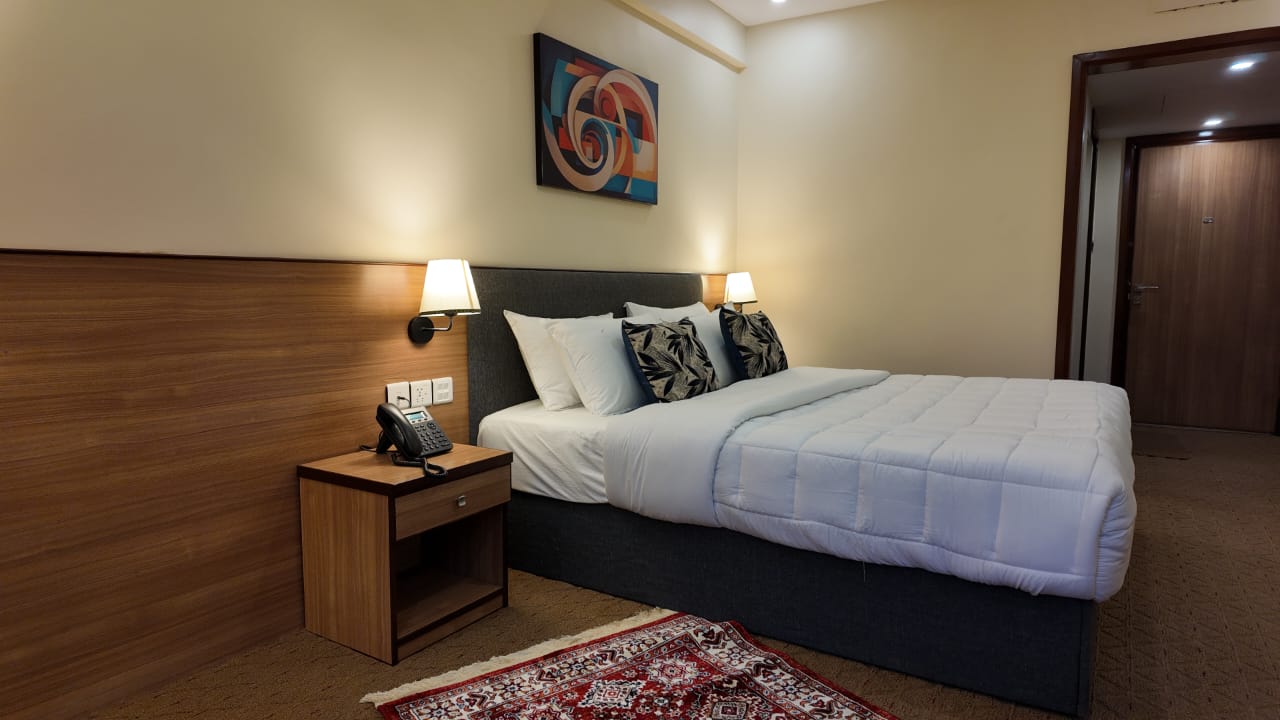
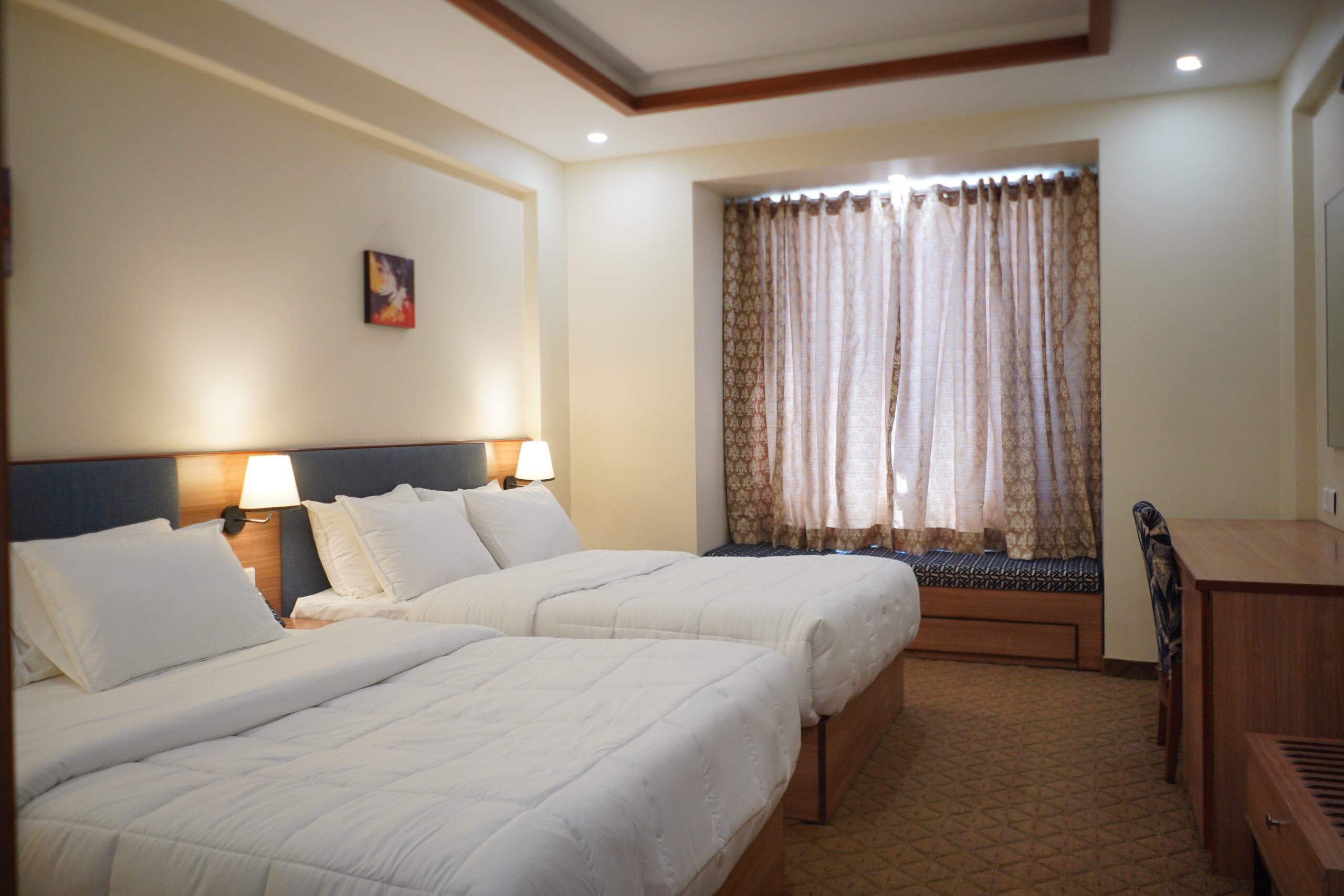
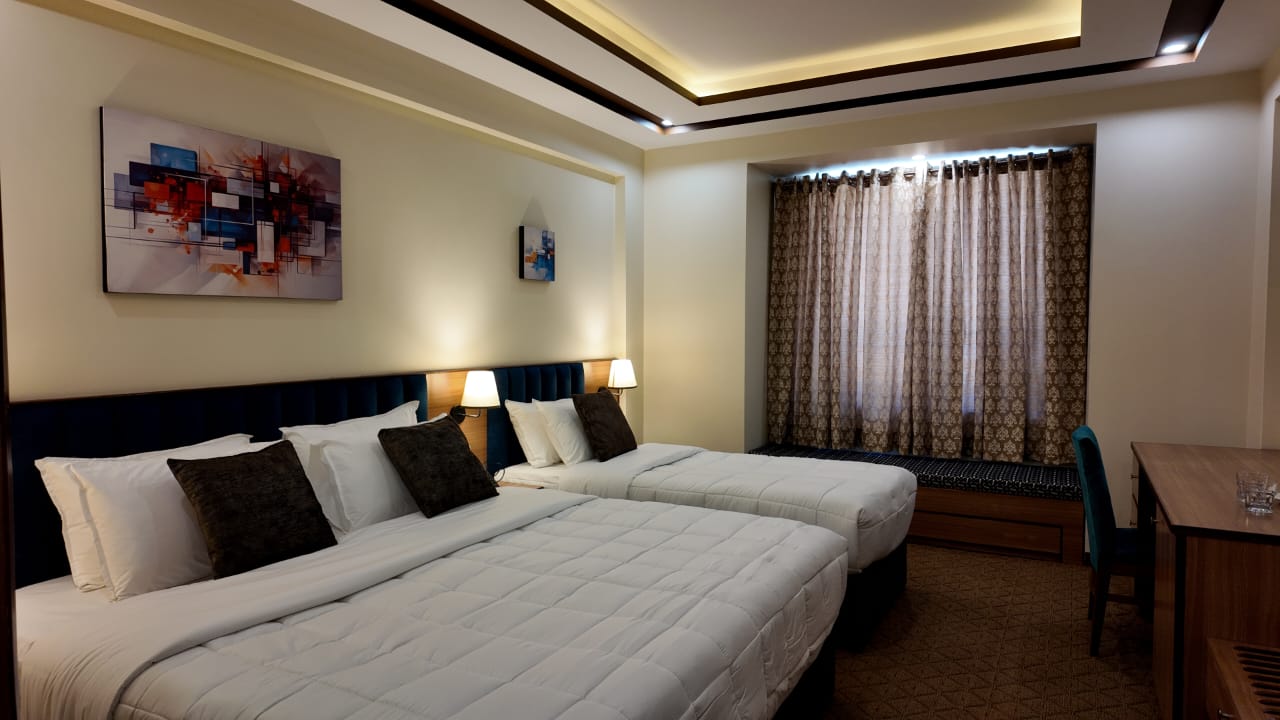
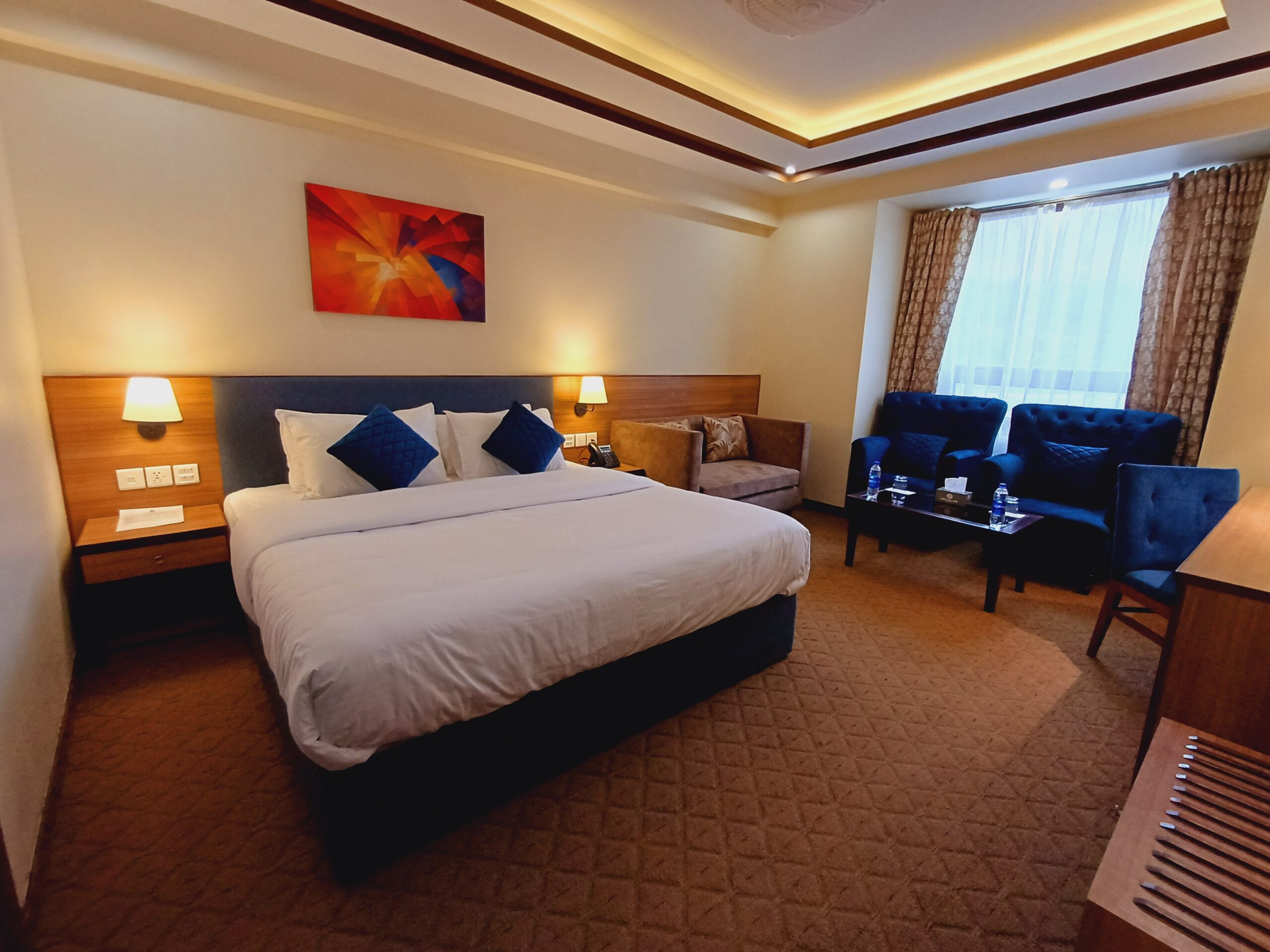
Most visitors spend at least half a day in Karimabad Bazaar once they factor in the walk up to Baltit Fort and a stop at the dry fruits market, so it’s worth building your accommodation plans around that rather than treating shopping as a quick errand. Fortune One Hotel is located along the Karakoram Highway near Sost, a manageable drive from Karimabad, and works well as a base for travelers covering this stretch of Gilgit-Baltistan on their way toward or back from the Khunjerab Pass.
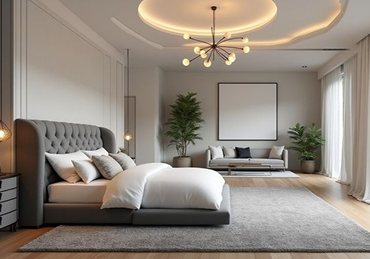
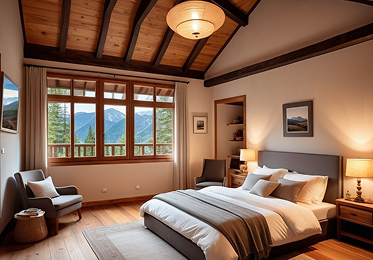
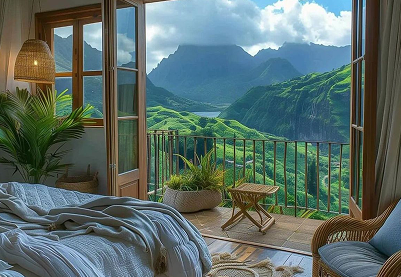
Couples or solo travelers who want some quiet after a long day of browsing the bazaar often go with the Deluxe Double Room, which comes with a straightforward, well-kept layout and a view of the surrounding mountains.
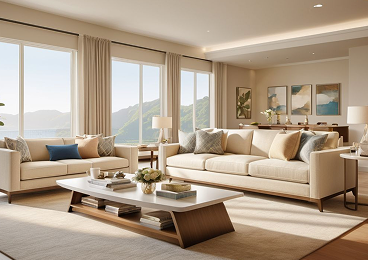
Families traveling with children tend to prefer the Deluxe Twin Room, since it gives everyone their own bed while keeping the group together in one shared space.
Larger groups traveling together sometimes book the Deluxe Triple Room, which fits three people comfortably without splitting the party across two separate rooms.
Travelers who want a bit more space after a full day of shopping and sightseeing sometimes choose the Superior Deluxe Room for the extra room to spread out and unpack properly.
It’s worth checking for Hotel Booking Deals ahead of the trip, particularly if travel dates fall during the busier months when rooms near Hunza fill up faster than expected.
FAQs
Q1: What is Karimabad Bazaar famous for?
Karimabad Bazaar is best known for handmade shawls, embroidered caps, gemstone jewelry, and dried fruit, most of it produced by local families rather than outside suppliers. It’s also the closest market to Baltit Fort, which makes it a natural stop for anyone touring the fort.
Q2: What can you buy in Karimabad Bazaar?
Shoppers usually leave with a mix of textiles, gemstones, dry fruit, and small wooden items. Wool shawls and traditional caps are the most common purchases, followed by loose or set gemstones and packets of apricots, walnuts, or mulberries.
Q3: What is the best time to visit Karimabad Bazaar?
Weekday mornings offer the quietest browsing, while the cooler months from autumn through early spring bring in more finished wool products and freshly harvested dry fruit. Peak tourist season between May and September means busier streets and less room to negotiate.
Q4: How far is Karimabad Bazaar from Baltit Fort?
Baltit Fort is only a few minutes’ walk from the bazaar, since the market sits directly below it on the same hillside. Most visitors combine both stops in a single outing.
Conclusion
Karimabad Bazaar isn’t just a place to pick up souvenirs — it’s one of the more direct ways to see how Hunza culture actually works day to day. Between the shawls, the gemstones, the dry fruits, and the small talk with shopkeepers, a few hours here tell you more about local life than most guided tours manage on their own.
If you’re putting together a Karimabad shopping guide for your own trip, give yourself more time than you think you’ll need, and pair it with a walk up to Baltit Fort while you’re already in the area. Between the handicrafts, the food stalls, and the short climb up the hillside, it’s easy to spend most of a day in Karimabad Bazaar without noticing the time pass — and a comfortable base nearby makes it that much easier to fit it all in.