




If you are heading to Northern Pakistan and wondering what to eat when you get there, start here. Hunza Valley cuisine is one of the most honest, clean, and genuinely satisfying food cultures you will come across anywhere in the country, and most travelers who try it walk away surprised by how different it is from everything else they have eaten in Pakistan.
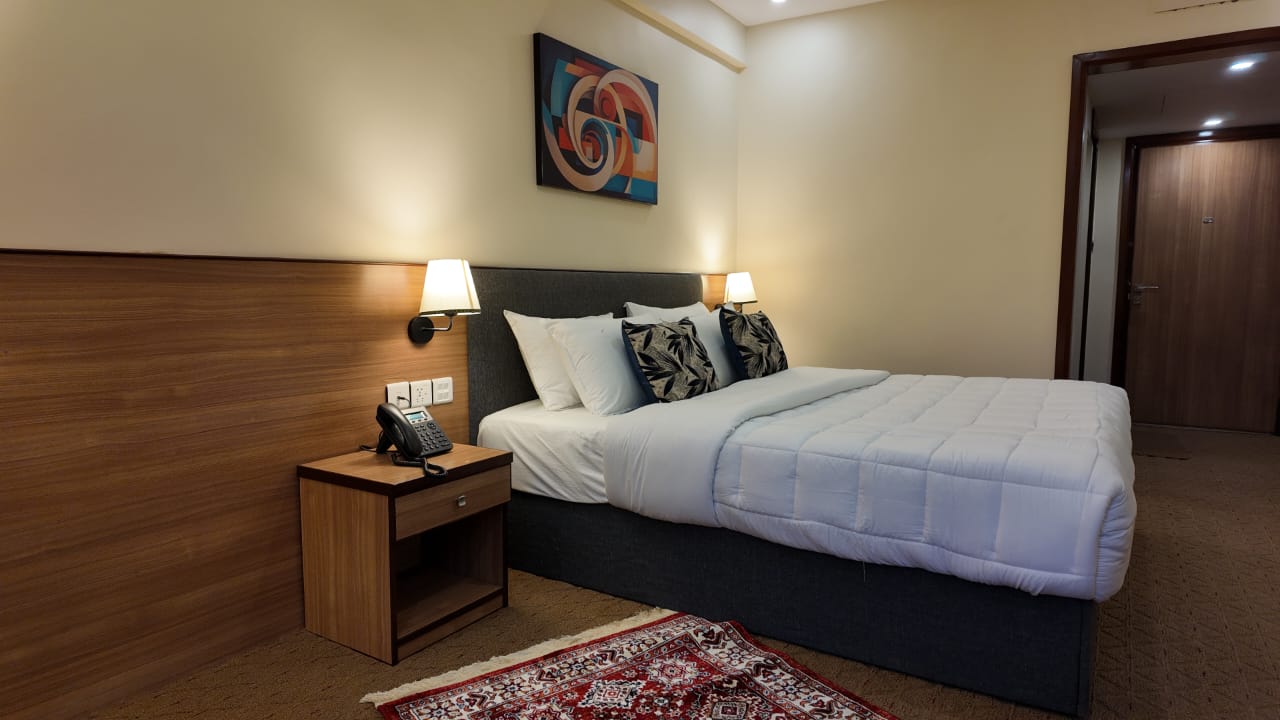
The food here is not built on heavy spices or rich gravies. It uses whole grains, fresh vegetables, and glacier-fed fruits. Cooking methods have not changed for generations. Whether you are staying somewhere comfortable like the Fortune One Hotel and looking for nearby spots to eat, or you are a backpacker figuring out what to order at a local dhaba, this guide will give you a clear, practical picture of what Hunza Valley cuisine actually looks like, dish by dish, restaurant by restaurant.
What Sets Hunza Valley Cuisine Apart from the Rest of Pakistan
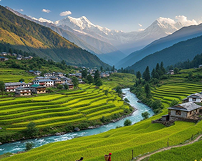
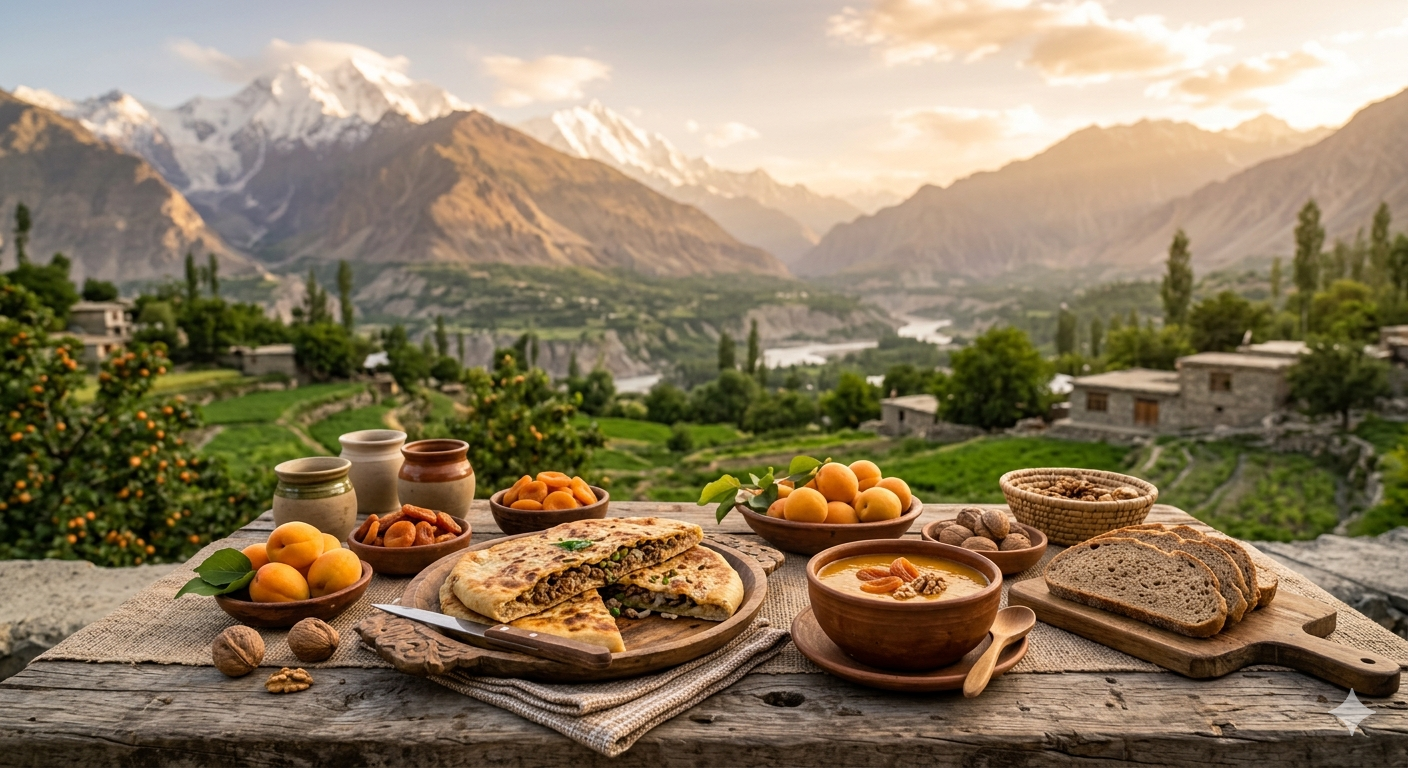
Most visitors to Hunza come expecting something similar to the food they have had in Lahore, Karachi, or Islamabad. What they find instead is almost the opposite. There are no fiery curries, no oil-heavy gravies, and very little in the way of heavy seasoning. Hunza Valley cuisine is mild, seasonal, and deeply tied to what the land produces. Apricots, walnuts, mulberries, barley, wheat, and glacier-fed vegetables are the building blocks of almost every meal.
The people of Hunza, known as Hunzukutz, have long been known for good health and long life. Researchers have pointed to their diet as a key reason. The food is largely plant-based. It contains no processed ingredients. You get healthy fats from nuts and antioxidants from fresh and dried fruits. Organic food in Hunza has become a real draw for health-conscious travelers, and rightfully so; you will not find food this clean and unprocessed almost anywhere else in South Asia.
There is also a cultural depth to the cuisine that goes beyond just ingredients. Sitting along the ancient Silk Road, Hunza absorbed cooking influences from Central Asia, Tibet, and western China over centuries. You can taste that history in dishes like Harissa, which resembles porridge eaten across Central Asian communities, and in the noodle soups that echo flavors from further east. This is part of what makes Gilgit Baltistan food so fascinating for food travelers; it carries centuries of cross-cultural exchange in every bowl.
Must-Try Traditional Food of Hunza
Before we get into restaurants and where to eat, let us talk about the dishes themselves. These are the meals that define the traditional food of Hunza, the ones worth seeking out, no matter how long you are staying.
Chapshuro, The Dish Everyone Talks About
If there is one dish that defines a trip to Hunza for most visitors, it is Chapshuro. It is a savory stuffed flatbread. The dough is filled with minced meat, onions, coriander, and mild spices. It is folded into a half-circle and cooked on a hot griddle until golden. People often call it chapshuro Hunza Valley food and compare it to pizza, though the texture and taste are really in their own category. You will find it at stalls throughout Karimabad, always made fresh, and it is almost impossible to eat just one.
Dawdoo, The Apricot Soup
Dawdoo is a traditional soup made from dried apricots simmered with water until thick and slightly sweet. It is especially common in winter, when fresh fruit is not available,e and dried apricots do the heavy lifting. The soup is gentle on the stomach, widely believed to help with digestion and immunity, and one of those dishes that makes complete sense the moment you try it in context, cold air, mountain views, a warm bowl in your hands.
Diram Fitti, Sprouted Wheat Bread
This is one of the most genuinely unique breads in Pakistan. Diram Fitti is made from sprouted wheat flour. This gives it a natural sweetness. You will not find this taste in any regular flatbread. Shaped into small patties and cooked on a griddle or open fire, it is served with apricot oil or butter and eaten as a breakfast staple. If your guesthouse makes it in the morning, do not skip it.
Hoilo Garma, The Dish Pasta Lovers Will Adore
Hoilo Garma is made from wheat flour dough mixed with spinach and potatoes. Crushed apricot seeds are added on top. They give the dish a nutty, almost cheesy flavor without any actual cheese. Travelers missing Western comfort food often find themselves reaching for this one. It is filling, genuinely nutritious, and one of those dishes that reflects exactly what Hunza Valley cuisine does best: turning simple, honest ingredients into something memorable.
Harissa, A Dish Reserved for Occasions
Harissa is slow-cooked wheat or barley simmered with meat for several hours. It reaches a smooth, thick, porridge-like consistency. The long cooking time is what makes it special. It is traditionally made for weddings, funerals, and religious gatherings, so you may not find it at a regular restaurant. But if you happen to be in the valley when it is being prepared, it is absolutely worth trying. Warm, deeply savory, and surprisingly filling, it is ceremonial food for a reason.
Gyal, The Morning Staple
Gyal is a whole-wheat pancake cooked on a griddle over wood or charcoal fire, typically eaten for breakfast with apricot oil, local honey, or jam. The smoky flavor from the fire, combined with the sweetness of apricot oil, is a combination you will not forget. Most guesthouses in Karimabad serve some version of it in the morning, often alongside local muesli made from roasted almonds, walnuts, flaxseed, and barley. It is the kind of breakfast that actually carries you through a long day of hiking.
Burus Shapik, Cottage Cheese Flatbread
Burus Shapik is two thin flatbreads with a filling of cottage cheese mixed with fresh mint and green onions, brushed with apricot or walnut oil on the outside. It is traditionally made for special occasions and guests, so getting it at a restaurant is not always guaranteed, but some family-run spots and guesthouses include it on their menu. If you see it, order it.
Drinks Worth Knowing About
The beverages of Hunza are just as interesting as the food. Yak butter tea, made from brewed tea, yak butter, and salt, is the most discussed, and it is an acquired taste. The flavor is savory and slightly fatty, which makes sense when you understand it was designed to fuel people through cold, physically demanding mountain days. Guests in a Superior Deluxe Room at some of the better properties in the valley may find it offered as a welcome drink, a small but thoughtful nod to local tradition.
Chamus is the summer drink to know. It is made by rubbing dried mulberries in cold water until you get a thick, naturally sweet juice. It is refreshing, packed with antioxidants, and tastes like nothing else you will find. Tumuro tea, made from wild thyme harvested in the high mountain areas, is another local favorite, mildly spiced, aromatic, and said to be good for digestion and circulation.
International Restaurants in Hunza Valley
Tourism in Northern Pakistan has grown significantly over the past several years, and the food scene in Hunza has grown with it. Travelers looking for international restaurants in Hunza Valley will now find more variety than ever, especially in and around Karimabad.
Pizza Pamir on Fort Road near Baltit Fort has become one of the most talked-about spots in the valley for non-Pakistani food. They serve wood-fired style pizzas with quality toppings, the staff is welcoming, and the balcony view over the valley is genuinely spectacular. It is the kind of place you end up at after a few days of local food when you are craving something familiar, and it delivers.
Hidden Paradise Café in Aliabad is a strong choice for continental options, sandwiches, salads, pasta, and international-style breakfasts. It also serves local trout sourced from Hunza’s cold river waters, which is worth ordering regardless of whether you are in the mood for Pakistani or international food. The setting is peaceful, the mountain views are good, and the service is consistently friendly.
Café de Hunza in Karimabad has been running since 1994 and remains one of the most recommended spots in the valley by repeat visitors. Their walnut cake, made with local walnuts and honey, is the item people remember most. The breakfast menu and pancakes are solid as well. It is one of the best restaurants in Hunza that genuinely earns its reputation year after year.
Baltit Fort Café, located just below the historic fort, serves light meals and a version of Thukpa, a noodle soup with Central Asian roots, alongside fresh teas. It is run by local women and has a calm, unhurried atmosphere that makes it a good place to sit after exploring the fort.
What to Eat in Hunza Valley, A Practical Plan
If you only have a few days in Hunza and want to make sure you cover the essentials, here is a simple approach to what to eat in Hunza Valley without overthinking it.
Start each morning with a local breakfast: Gyal with apricot oil, local muesli, or Diram Fitti if your guesthouse makes it. Lunch is the right time for Chapshuro, best eaten fresh from a stall in the Karimabad bazaar. For dinner, try one of the local restaurants and order a traditional meal, Dawdoo soup, a main dish of Hoilo Garma, or a meat-based stew, and some Hunza bread on the side.
On one evening, make the trip to Eagle’s Nest Restaurant in Duikar for the sunset view. The drive up takes about 20 minutes from Karimabad, and the panoramic view of the valley at dusk is worth building your evening around. The food is a mix of local and continental options, and the experience overall is one of the more memorable meals you can have in Northern Pakistan.
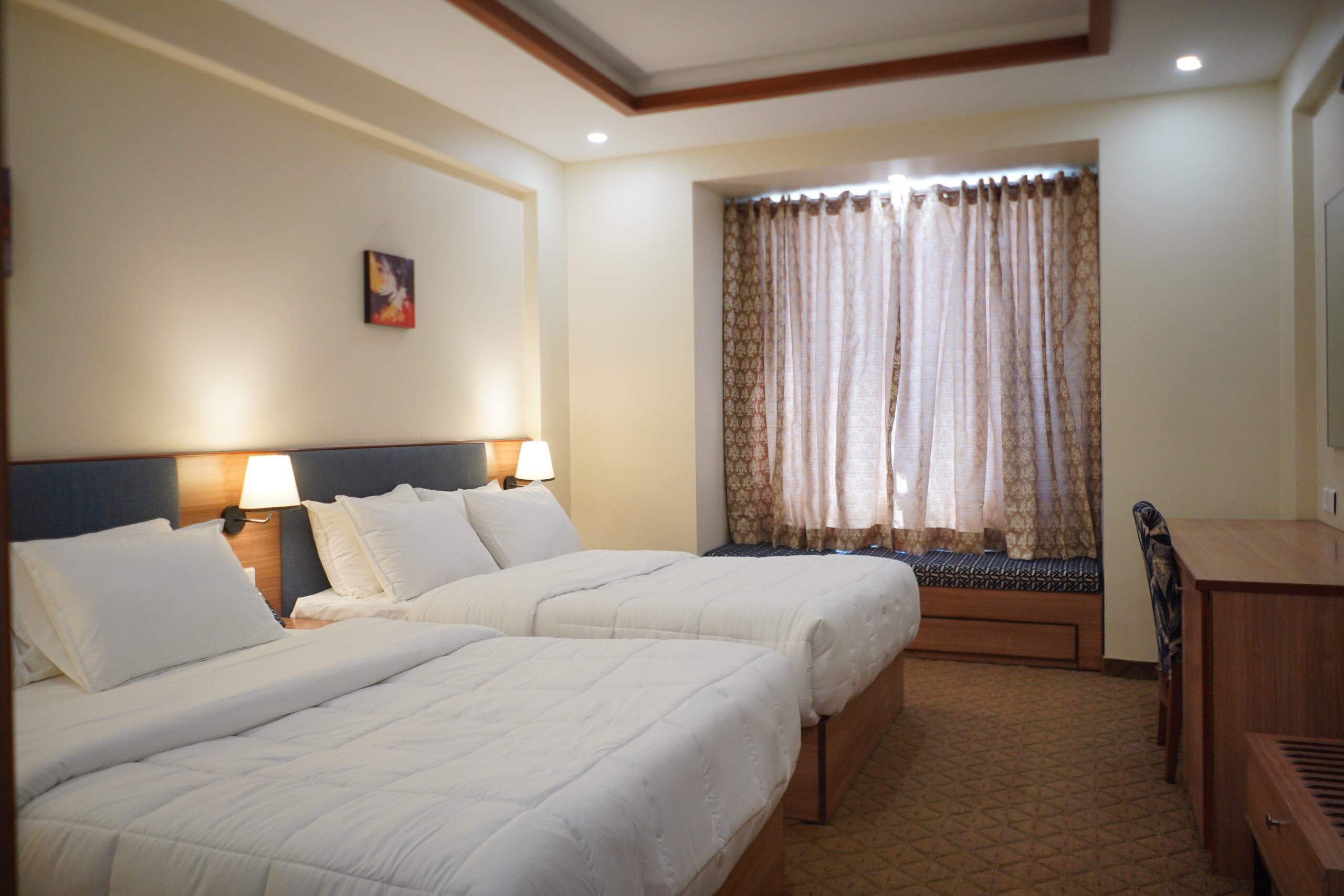
Travelers staying in a Deluxe Triple Room at a well-run hotel in Karimabad will often find that the property’s own dining room does a respectable spread of local dishes, especially breakfast. Ask the staff what they recommend from the local area; they usually know the spots that do not show up on any travel blog.
Hunza Local Food on a Budget
One of the better things about eating in Hunza is how far your money goes when you stick to Hunza local food. A freshly made Chapshuro from a bazaar stall runs between PKR 150 and 300. A full traditional meal at a local restaurant, soup, bread, and a main course is typically PKR 400 to 800 per person. Even the mid-range cafés like Café de Hunza and Mountain Cup Café stay within PKR 500 to 1,500 for a full meal with drinks.
The Karimabad bazaar is also a great place to stock up on dried fruits and nuts for hiking or road trips. A good bag of local dried apricots costs around PKR 300–500 and lasts several days. Walnuts, chilghoza (pine nuts), and dried mulberries are all available at fair prices and make excellent snacks between meals.
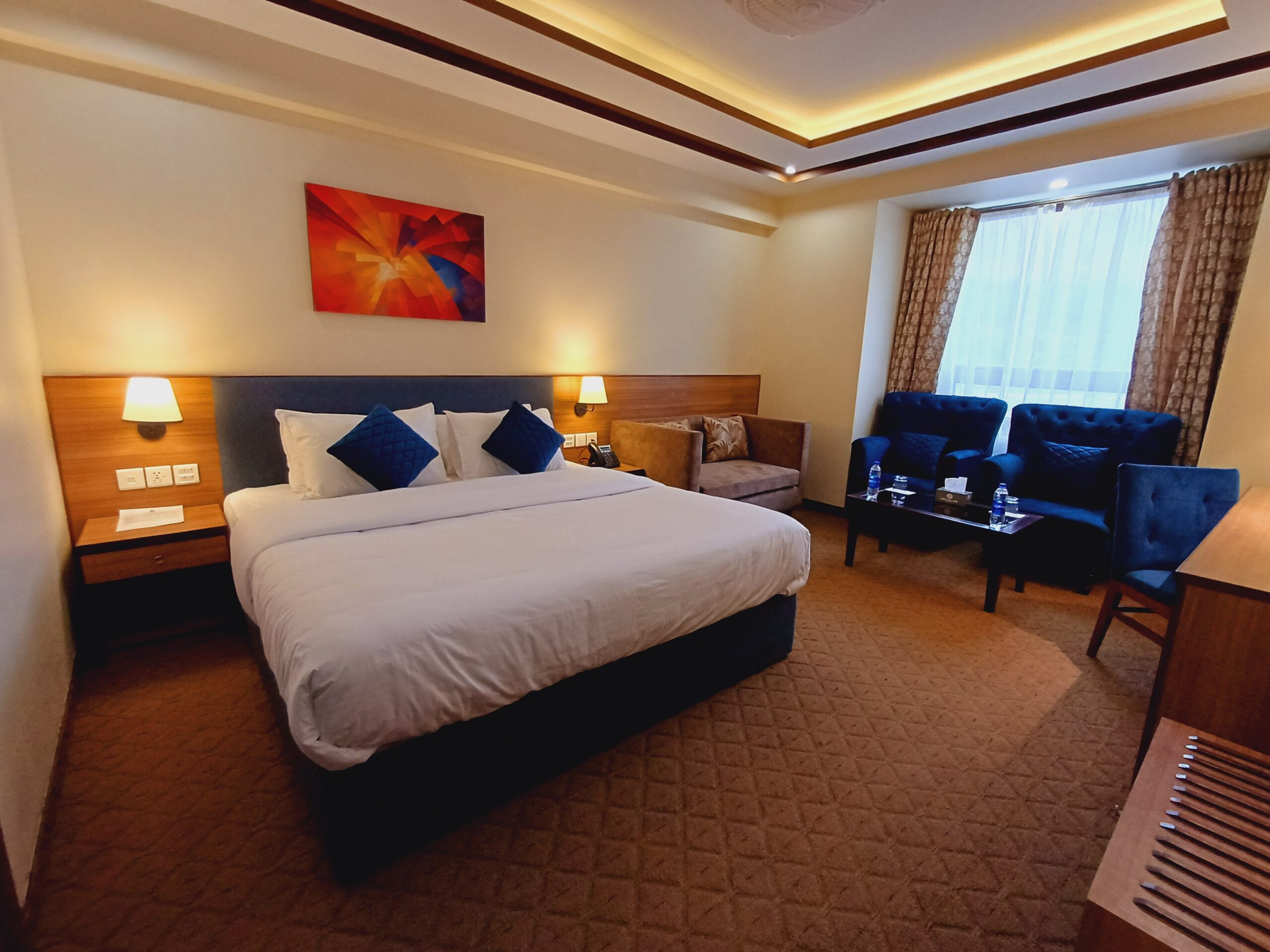
For guests staying in an Executive Suite at one of the valley’s higher-end properties, in-house dining is often available and typically includes a curated selection of local dishes made with organic, locally sourced ingredients, a convenient option when you want quality without the trip into town.
Practical Tips Before You Go
A few things worth knowing before you start eating your way through the valley:
Most dishes in Hunza are mild by default. If you want spice, you will need to ask for it specifically; do not assume the local version comes with heat.
Fresh fruit availability is seasonal. Apricots are at their best from June to August, mulberries in late May and early June, and cherries in early summer. Outside these windows, you will find excellent dried versions at every stall and market.
Many restaurants in Karimabad keep reduced hours or close entirely during winter (November to March). If you are visiting in the off-season, check ahead before making a special trip to a specific spot.
For the most authentic experience of the traditional food of Hunza, ask your guesthouse if they offer home-cooked meals by arrangement. Dishes like Harissa and Burus Shapik are rarely on restaurant menus but show up in home cooking regularly, and eating with a local family is genuinely one of the best meals you can have in the valley.
Final Thoughts on Hunza Valley Cuisine
Hunza Valley cuisine does not ask much of you. It does not need to compete with the bold flavors of Karachi street food or the rich gravies of a Lahori restaurant. It is a quieter kind of food, built on real ingredients, prepared simply, and served with the kind of easy hospitality that makes even a roadside meal feel like something worth remembering.
Whether you are here for a weekend or a month, the food will be one of the things you talk about when you get home. The walnut cake at Café de Hunza. The Chapshuro from the stall near Baltit Fort. The apricot oil drizzled over fresh pancakes at seven in the morning with a view of Rakaposhi turning gold. That is what eating in Hunza is actually like, and now you know exactly where to start.
Come with an open mind, leave with a bag of dried apricots, and do not skip the walnut cake.