





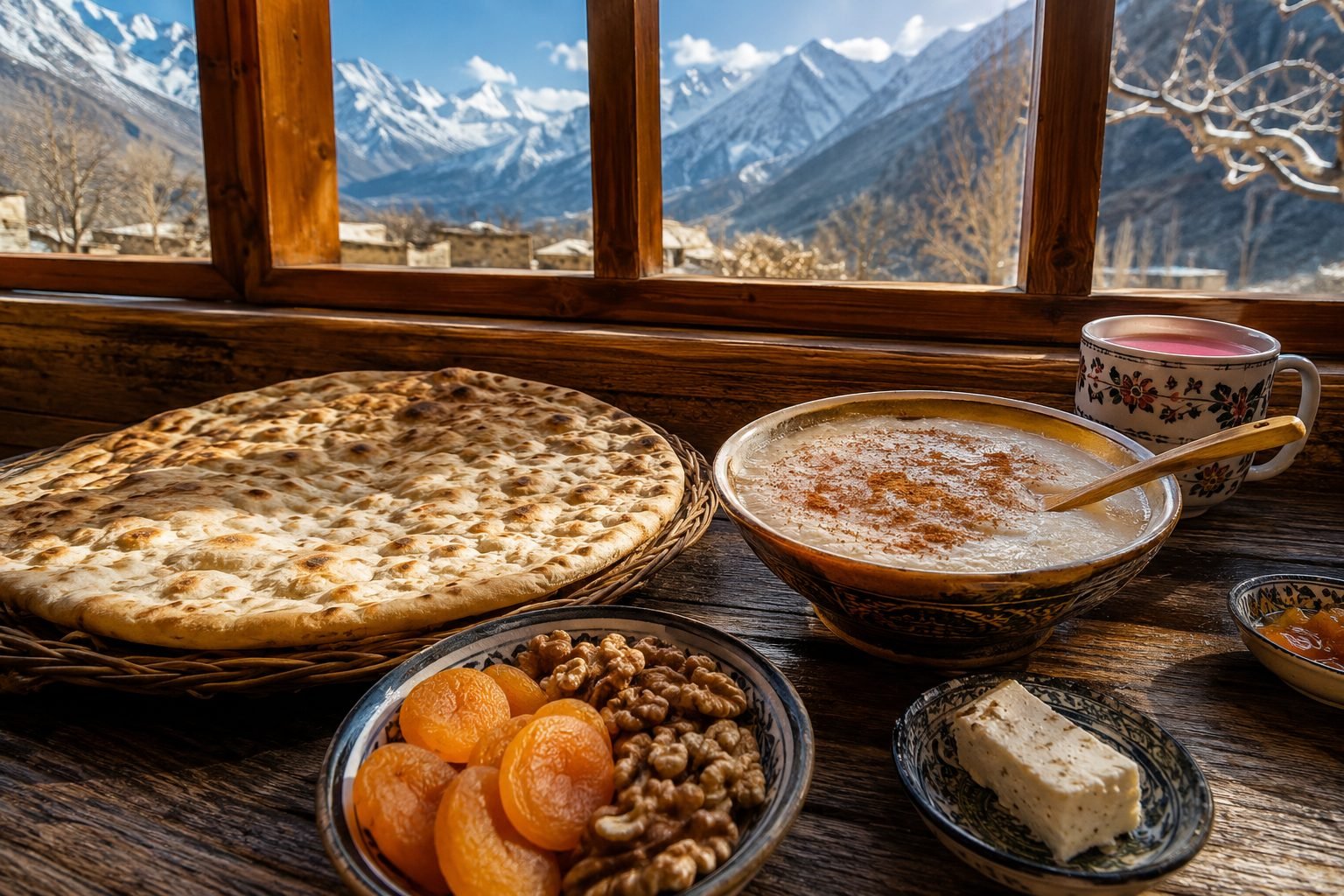
There’s something different about the food in Hunza. It’s not loud or heavily spiced. It doesn’t try to impress. But once you’ve had a bowl of harissa on a cold morning with the Karakoram peaks visible from the window, you understand why people talk about
Hunza food, the way they do. It’s honest, filling, and deeply tied to the land.
Hunza sits in the far northern region of Pakistan, part of Gilgit-Baltistan. For centuries, the people here lived on what the valley could produce: grains, legumes, apricots, walnuts, and dairy. That geography shaped the cuisine. And today, whether you’re a Pakistani traveller heading north for the first time or an international visitor planning a trip through the Karakoram, the food here will be one of the most memorable parts of your experience.
What Makes Hunza Food Different from the Rest of Pakistan
Most Pakistani cuisine is rich in ghee, deep-fried spices, and slow-cooked meat dishes. Hunza takes a different direction. The cooking style is simpler, the portions are hearty, and the focus is on whole ingredients rather than heavy seasoning.
This is partly climate, partly tradition. The growing season in Hunza is short, so people historically preserved a lot by drying apricots, making apricot oil, fermenting dairy, and storing grains. That preservation culture is still visible in the food today.
Visitors who expect the same experience as Lahori or Karachi cuisine will be surprised. But in a good way. Hunza food is light enough to eat after a day of hiking and satisfying enough to keep you warm when the mountain air drops at night.
Must-Try Dishes When Visiting Hunza
Chapshuro
This is the dish most people hear about first, and for good reason. Chapshuro is essentially a flatbread stuffed with seasoned minced meat, usually beef or mutton, along with onions and spices. It’s cooked on a flat griddle until the outside gets a slight crisp.
Think of it as Hunza’s version of a stuffed paratha, but earthier. It’s a popular breakfast and lunch item. You’ll find it at local dhabas along the main road in Karimabad and at a few spots in Aliabad.
Diram Phiti
This is a traditional walnut-and-mulberry dish you won’t find anywhere else in Pakistan. Diram phiti is made from a dough of buckwheat or wheat flour, pressed flat, and served with a sauce made from crushed walnuts, dried mulberries, and sometimes apricot oil.
It sounds simple. It tastes like something you’d keep eating without realising how much you’ve had. The walnut gives it a slightly bitter edge that balances with the sweetness of the mulberry. It’s best eaten fresh, warm, and slowly.
Harissa (Hunza Style)
Not to be confused with the North African chilli paste, Hunza’s harissa is a slow-cooked wheat and mutton porridge. The meat and grains are cooked together for hours until everything breaks down into a thick, unified dish. It’s seasoned minimally, salted, and sometimes topped with a little ghee.
It’s one of the most filling things you can eat on a cold morning in the valley. If you’re staying at a hotel like
Fortune One Hotel, ask the kitchen staff if harissa is available during your visit; it’s a seasonal dish and not always on the regular menu.
Mamtu
Mamtu are steamed dumplings, similar to momo or Chinese dim sum, but with a distinctly local flavour. The filling is usually a mix of minced meat and onion, sometimes vegetables. They’re served with a yoghurt-based dipping sauce or a tomato chutney, depending on where you order them.
They take time to make, which is why most restaurants only offer them as a special or on request. Worth asking about in advance.
Giyaling
Giyaling is a kind of thin, crepe-like pancake made from buckwheat flour. It’s often eaten with honey, dried fruit, or apricot jam. Buckwheat grows well at high altitudes, which is why it features so prominently in Gilgit-Baltistan’s famous food across different valleys.
It’s a breakfast staple in many households and one of those foods that tastes better when you’re sitting outside with a cup of noon chai, the local salted tea, and the mountains in the background.
The Role of Hunza Dry Fruit in Local Cuisine
You cannot talk about Hunza food without giving serious attention to dried fruit. The valley is one of the most productive apricot-growing regions in the world. During the summer, the trees are full. In winter, the dried apricots, apricot kernels, and apricot oil become a food staple.
Hunza dry fruit is exported across Pakistan and internationally, but the best quality, the stuff locals keep, is what you’ll find at village markets. Dried apricots here have a deep, concentrated sweetness that commercial varieties don’t match.
Beyond apricots, you’ll find dried mulberries, walnuts, almonds, and various wild berries. Locals snack on these throughout the day. You’ll also find them added to porridges, pressed into oil, or served alongside tea.
If you’re planning to buy, go to the small family-run stalls in Karimabad rather than the larger tourist-facing shops. The quality is often better, and the prices are more honest.
Gilgit-Baltistan Famous Food Beyond Hunza
While Hunza gets most of the attention, Gilgit-Baltistan as a whole has a food culture worth knowing. Gilgit town, for example, has a slightly different take on local dishes. You’ll find more meat-heavy preparations there, including a local version of sajji and various grilled meats.
Gilgit’s famous food also includes the local trout, which is farmed in the cold mountain streams and rivers of the region. Trout cooked simply in butter or with minimal spice is one of the better meals you can have in the area. Several restaurants in Gilgit city serve it fresh.
Skardu, another major destination in Gilgit-Baltistan, shares some culinary traditions with Hunza but has its own regional variations, particularly in bread types and soup preparations.
Across all these areas, the Gilgit-Baltistan foods that stand out are the ones tied to the land, buckwheat dishes, walnut-based sauces, dairy products, and seasonal vegetables. Nothing overly complicated, but everything done with care.
Restaurants in Hunza: Where to Eat
The dining scene in Hunza has grown considerably over the last decade. There are now proper restaurants, rooftop cafes, and hotel dining rooms that cater to both local and international visitors. That said, it’s still a small region, and options are limited compared to a major city.
In Karimabad, the main tourist hub, you’ll find several restaurants lined along the bazaar road. Most serve a combination of local Hunza dishes and Pakistani staples like dal, rice, and chapati. A few have added continental options for international visitors.
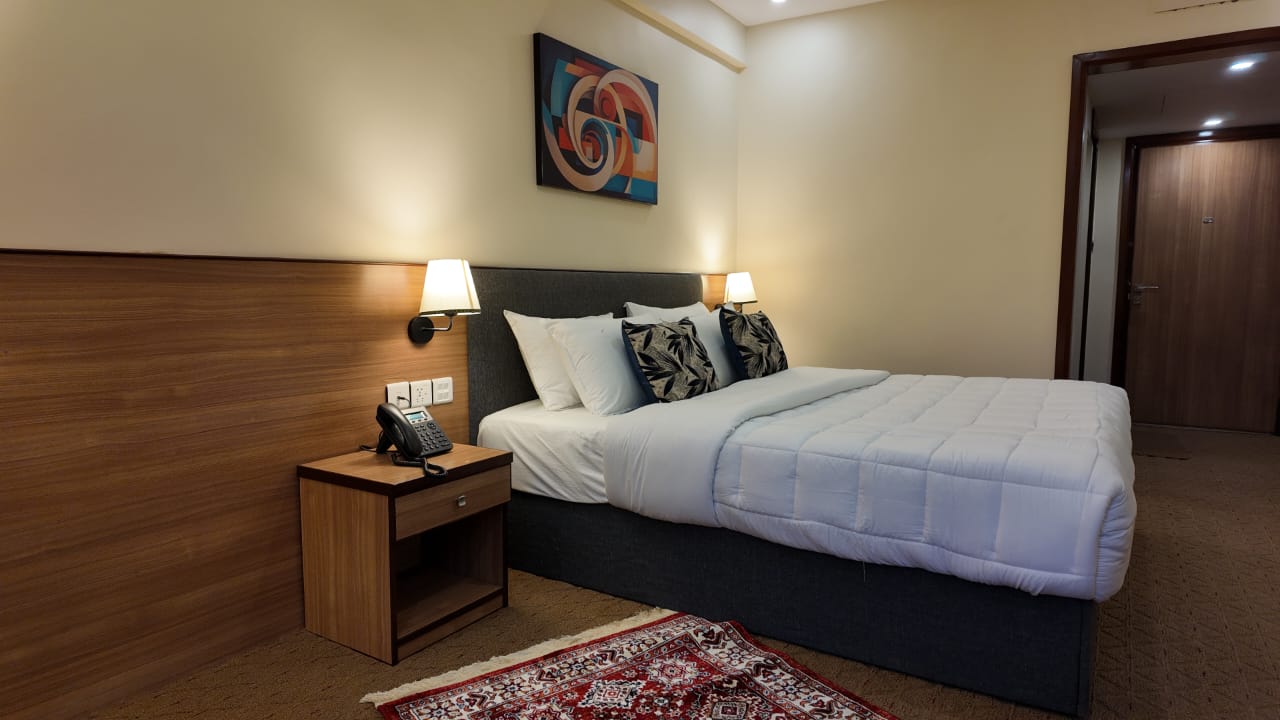
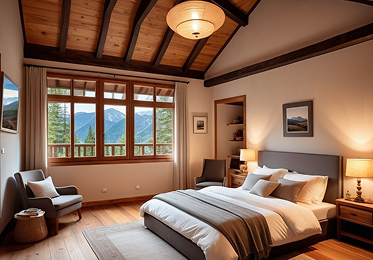
For a more curated experience, hotel restaurants are often the better option. If you’re staying at a property with a dedicated kitchen and local chef, like the
Best Executive Suite in Hunza at Fortune One, the meals tend to be more consistent in quality and presentation. Breakfast usually includes local bread, eggs, honey, dried fruit, and tea.
A few restaurants worth noting in Karimabad:
Cafe de Hunza and Old Hunza Restaurant are both popular with tourists for their local menu and mountain views. For something more casual, the smaller dhabas near the main bazaar serve chapshuro and giyaling at very reasonable prices.
If you’re in Aliabad or Ganish, options are fewer, but the food is often more authentic. The further you are from the main tourist strip, the more likely you are to eat what locals actually eat at home.
Pakistan Traditional Food vs. Hunza’s Regional Cuisine
It’s worth putting Hunza’s food in the broader context of Pakistan’s traditional food. Pakistan is a large country with enormous culinary diversity. The food of Lahore, Karachi, Peshawar, and Quetta all have their own distinct character.
Hunza and Gilgit-Baltistan sit apart from the mainstream Pakistani food conversation. The food here isn’t represented in most Pakistani restaurants abroad, and it rarely shows up in food media. That makes discovering it in person all the more interesting.
If you’ve only experienced Pakistan through its more famous dishes, biryani, nihari, and karahi, then Hunza’s cuisine will feel like an entirely different country. And in some ways, historically and geographically, it is.
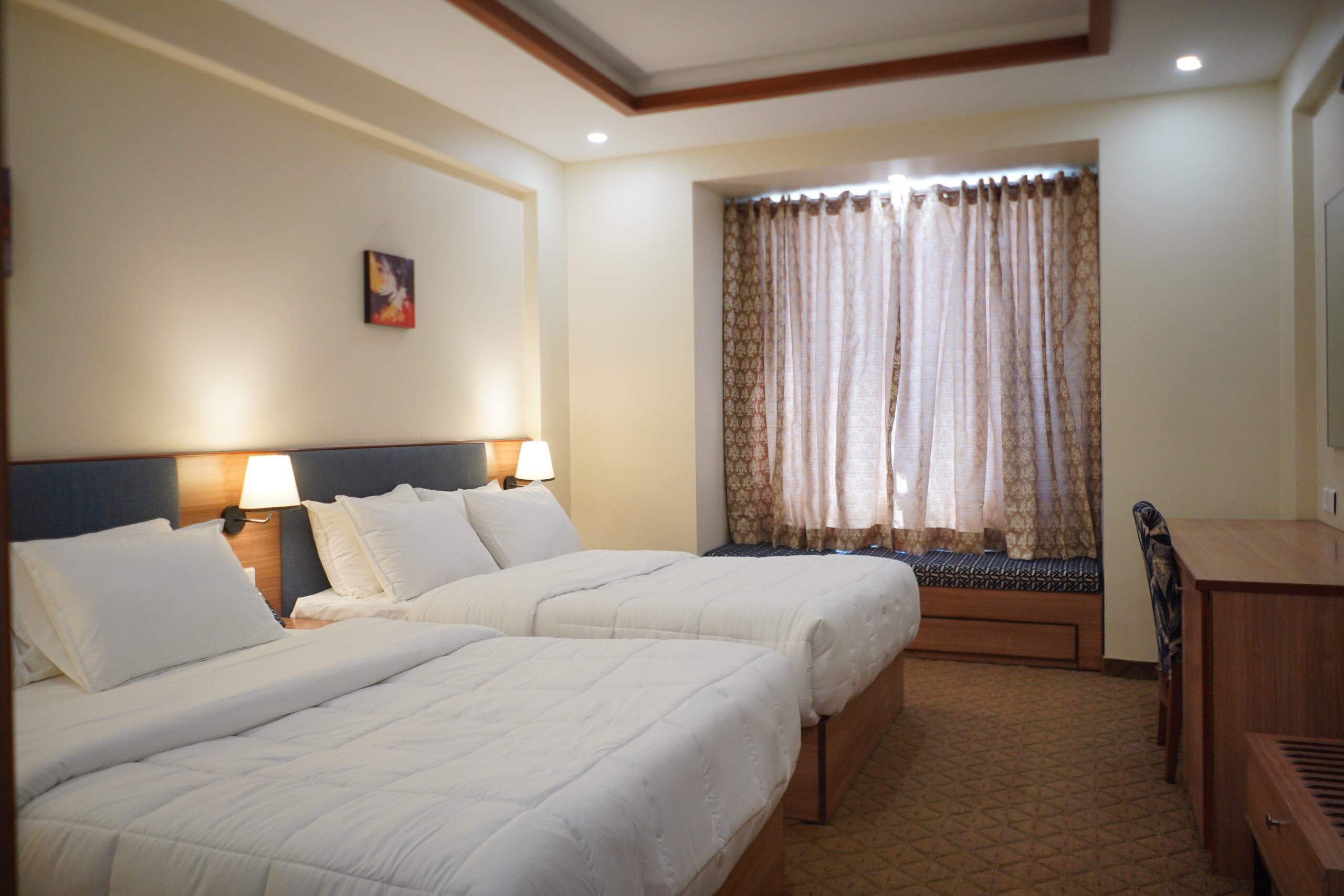
Travellers who stay at properties offering local meal options, especially places offering something like the
Best Deluxe Triple Room in Hunza with breakfast included, often get their first real taste of traditional Hunza food without having to search for it.
Noon Chai: The Tea That Defines the Region
No discussion of Hunza food is complete without talking about noon chai. It’s a salted, pink tea made with a special Kashmiri tea leaf, milk, and baking soda. The pink colour comes from the reaction between the baking soda and the tea during the preparation process.
It sounds unusual if you’re used to sweet milk tea. But the salt balances with the natural creaminess of the milk and the slight bitterness of the tea leaf. It’s warming, calming, and deeply regional.
Noon chai is served throughout the day in Hunza homes and at most local restaurants. If you’re offered a cup, drink it. It’s one of those small, specific pleasures that you end up missing when you leave.
What to Expect if You’re Visiting Hunza for the First Time
A few practical notes on eating in Hunza:
Most restaurants open for breakfast around 7 or 8 AM and stop serving dinner by 9 or 9:30 PM. In shoulder season, hours can be shorter. Hotel restaurants tend to have more consistent hours.
Vegetarian options exist but are limited. Most local dishes involve meat, dairy, or both. If you don’t eat meat, ask specifically; there are vegetable-based dishes available, but you may need to request them.
Prices are very reasonable by both Pakistani and international standards. A full local meal at a sit-down restaurant rarely costs more than a few hundred rupees per person. Dry fruit and local products at the market are also competitively priced.
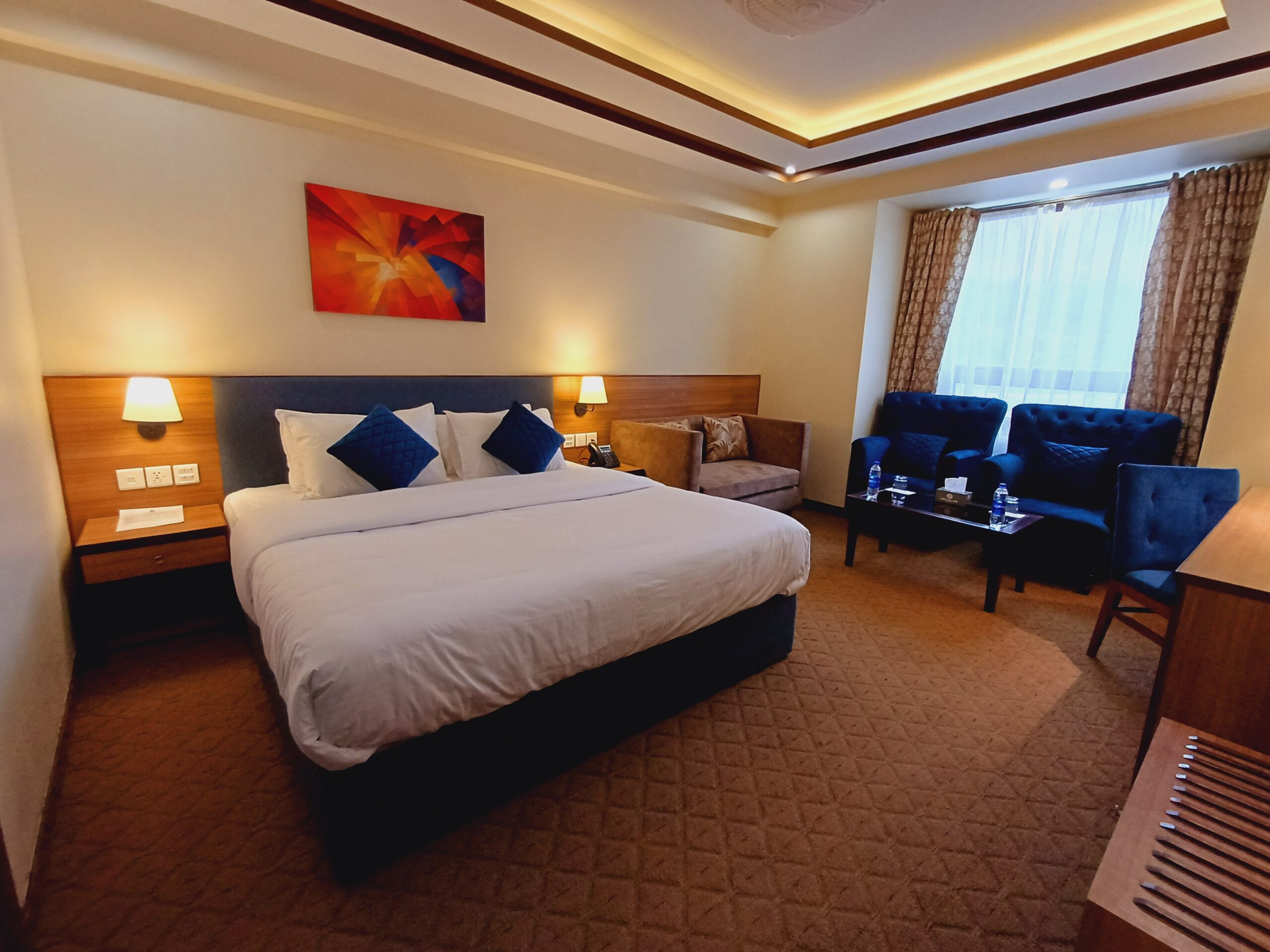
If you’re staying in a well-located property, one of the hotels on the ridge with a valley view, like a place offering the
Best Superior Deluxe Room in Hunza, you’ll likely have easy access to both hotel meals and nearby local eateries within walking distance.
FAQs About Hunza Food
What is the most famous food in Hunza?
Chapshuro is probably the most well-known Hunza dish among visitors. It’s a stuffed meat flatbread that’s filling, easy to find, and representative of the local cooking style. Harissa and mamtu are close seconds among food enthusiasts.
Is Hunza food spicy?
No. Hunza food is generally milder than other Pakistani regional cuisines. The focus is on simple seasoning, salt, occasionally cumin or coriander, rather than heavy chilli or masala blends. This makes it approachable for international visitors.
Where can I buy Hunza dry fruit?
The best place to buy Hunza dry fruit is directly from small vendors and family stalls in Karimabad’s main bazaar. You’ll find dried apricots, mulberries, walnuts, and almonds. Buying directly from smaller vendors tends to offer better quality and fresher stock than large tourist shops.
Is there vegetarian food available in Hunza?
Yes, but it takes some asking. Most traditional dishes are meat or dairy-based. However, vegetable soups, lentil dishes, bread with honey, dried fruit, and giyaling with fruit are all meat-free options. Hotel kitchens can usually accommodate vegetarian requests if asked in advance.
What is noon chai, and why should I try it?
Noon chai is a salted pink tea traditional to the Gilgit-Baltistan region. It’s made from Kashmiri tea, milk, baking soda, and salt. The taste is savoury-creamy with a slight earthiness. It’s very different from regular chai but warming and worth trying at least once. Most visitors end up enjoying it.
Final Thoughts
Hunza food is not flashy. It won’t show up on a list of Instagram-worthy dishes anytime soon. But it’s real, it’s rooted, and it tells you something honest about the people and the place it comes from.
Whether you’re eating chapshuro from a roadside stall, sharing mamtu at a family-run restaurant, or having a bowl of harissa on a cold morning, you’re getting something that most food travellers never find in a cuisine that hasn’t been changed for an audience. It’s still just what people eat.
If you’re planning a trip north, take the food seriously. Ask questions, try the things you don’t recognise, and buy some dried apricots to take home. You’ll understand what all the fuss is about.