
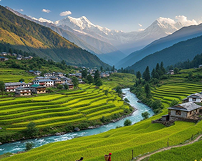
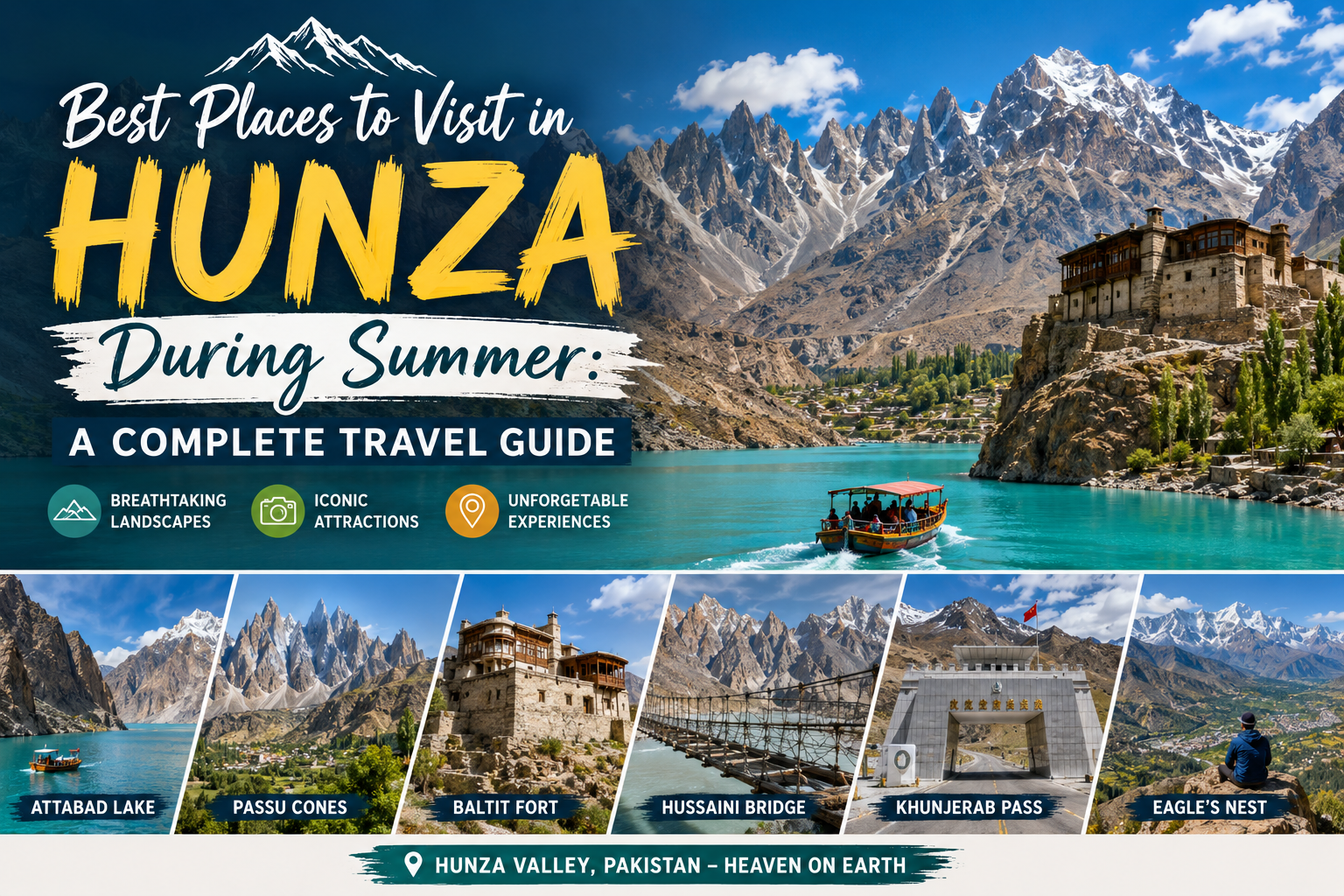
If you have been looking for a reason to finally make the trip north, let this be it. The best places to visit in Hunza during summer are unlike anything else in Pakistan. High up in the Karakoram range, Hunza Valley opens up into a world of turquoise lakes, ancient stone forts, jaw-dropping mountain passes, and some of the most photogenic landscapes on the planet. Summer, June through August, is when everything comes alive. The passes open, the fields turn green, the apricot trees fruit, and the weather stays pleasant enough to actually enjoy being outdoors all day.
Whether you are a first-time visitor from Karachi or Lahore, a family planning a summer escape, or an international traveller crossing into Pakistan on the Karakoram Highway, Hunza has something that will stay with you long after you leave.
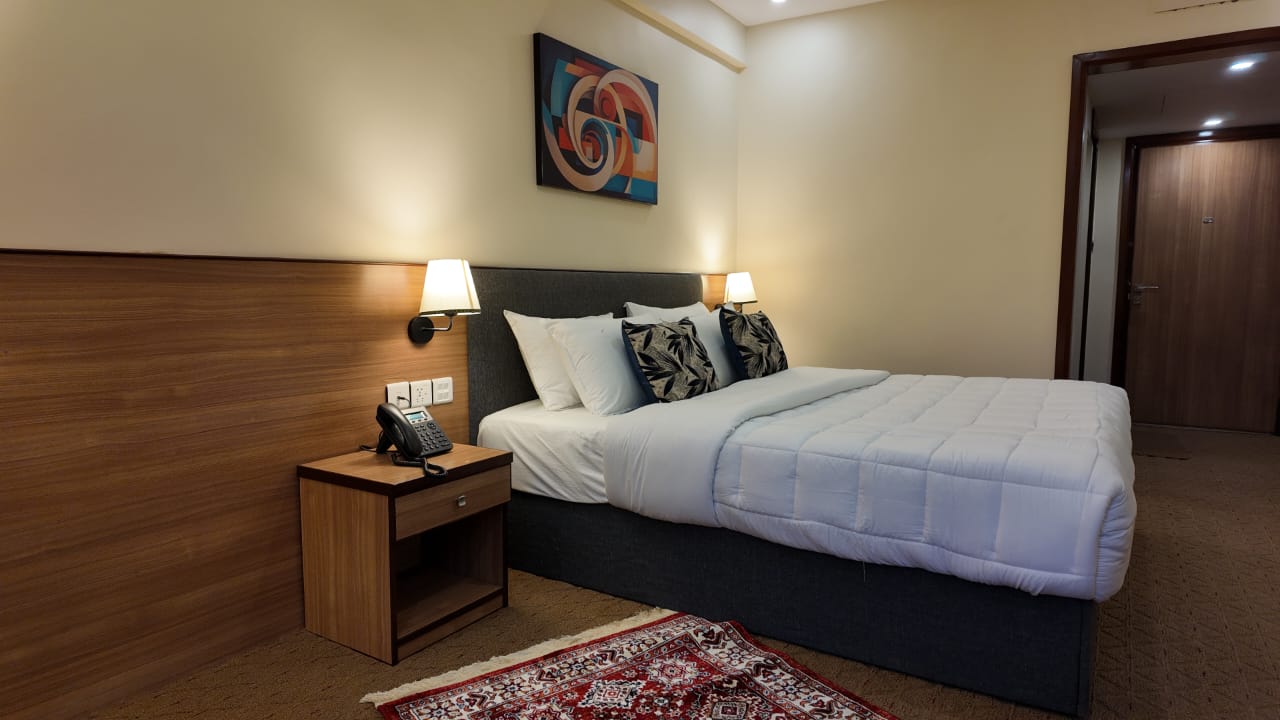
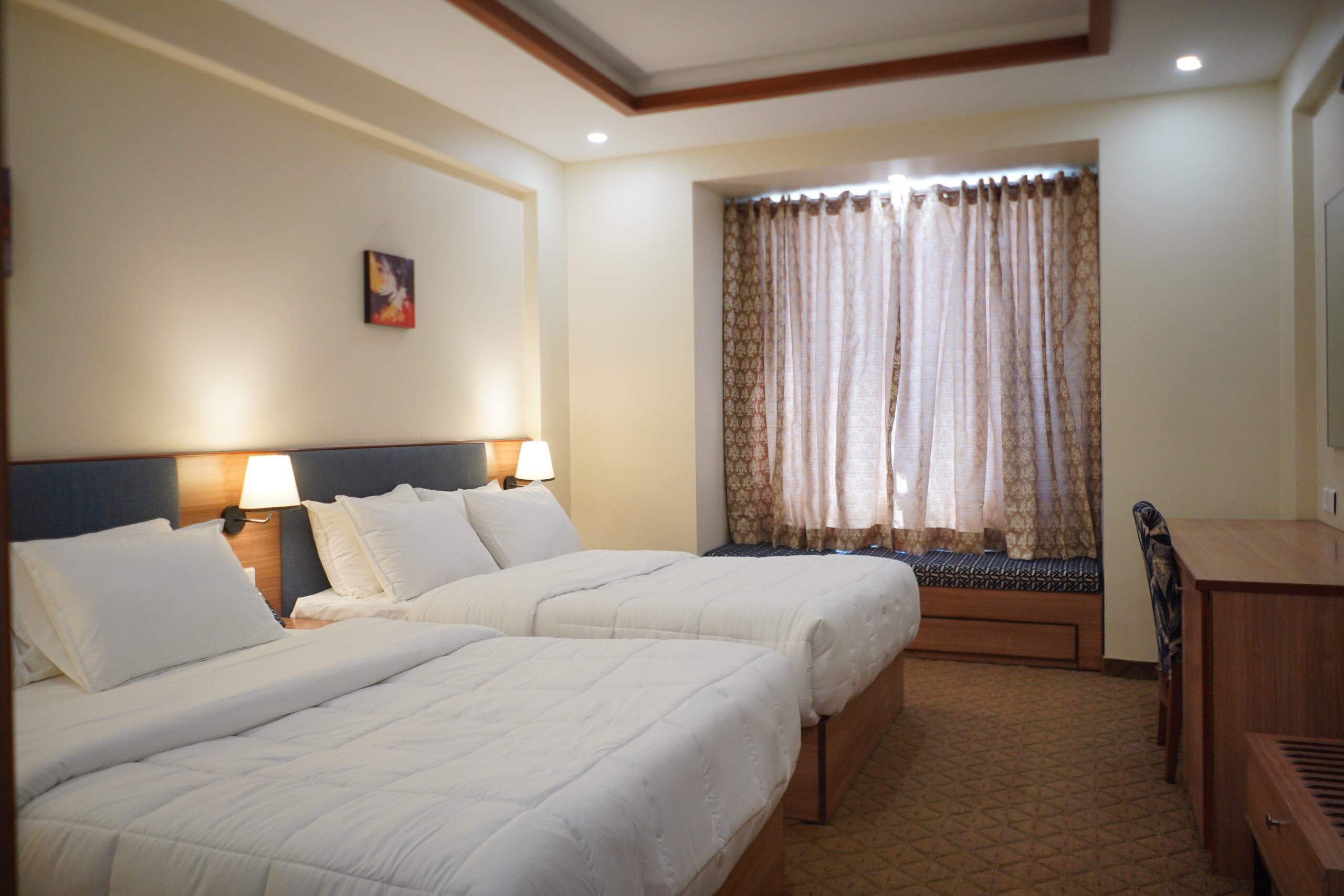
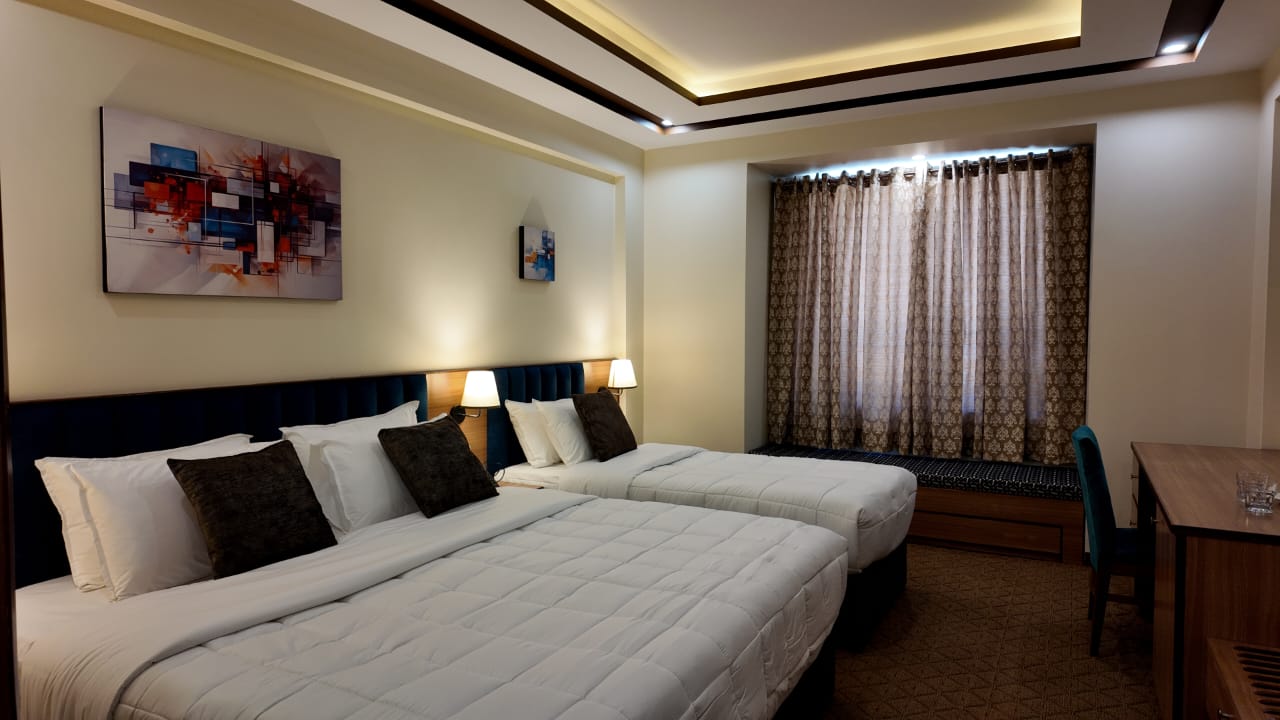
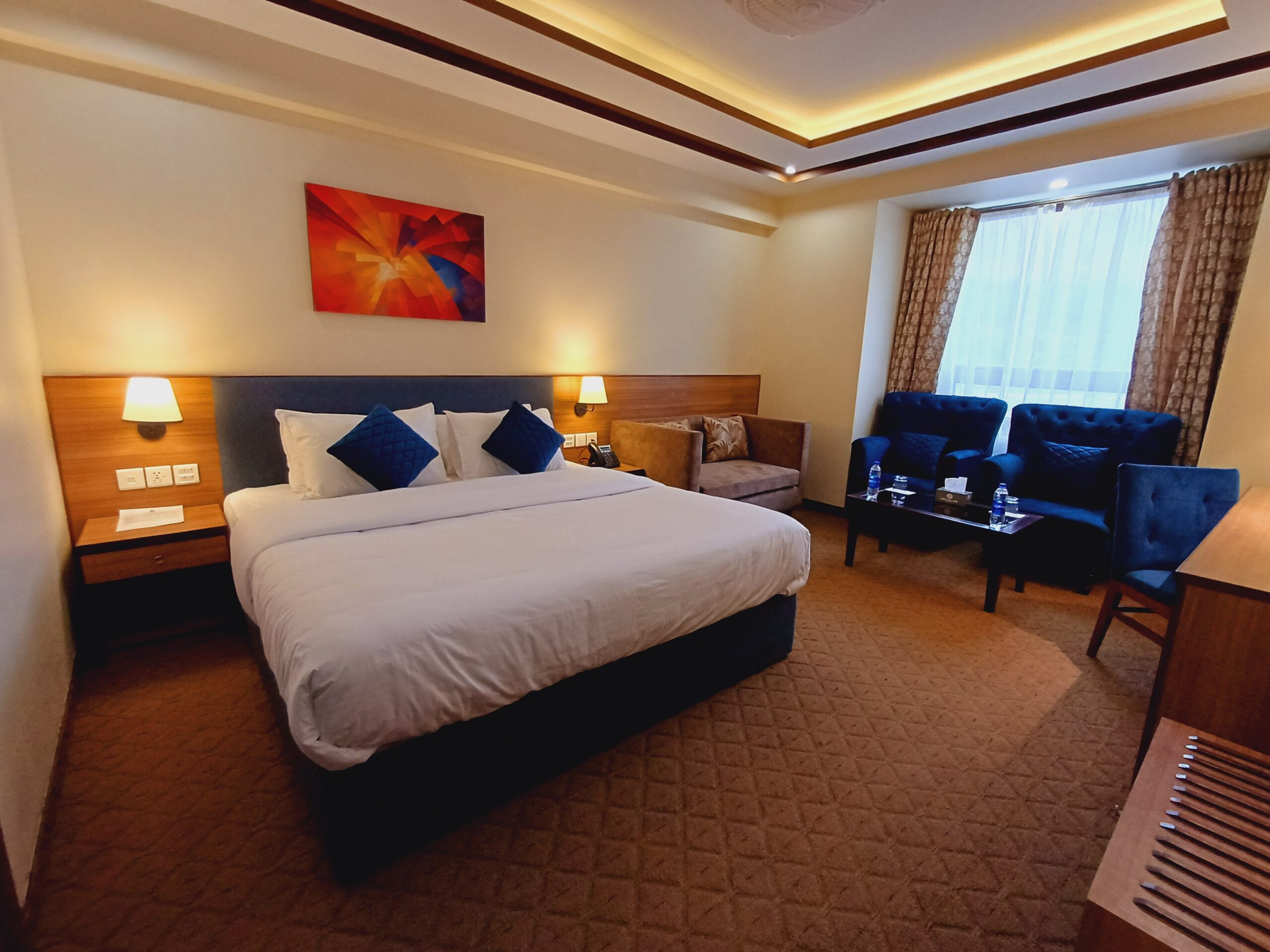
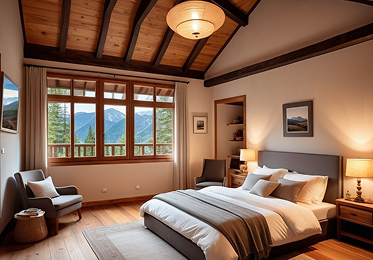
For travellers heading into upper Hunza and Gojal Valley, Sost is the key gateway town. Conveniently located near Khunjerab Pass and Passu, Fortune One Hotel in Sost provides a comfortable and strategically placed base for exploring this part of the region. Whether you arrive after a long drive on the Karakoram Highway or need a rest before heading to the Chinese border, having reliable accommodation in Sost makes a real difference.
This guide covers everything you need to know: the top Hunza sightseeing places, practical tips, how many days to plan for, and answers to the most common questions first-timers ask. Let’s get into it.
Why Visit Hunza in Summer?
Hunza is technically accessible year-round, but summer is the sweet spot. The Khunjerab Pass, the gateway to China and one of Hunza’s crown attractions, is only open between May and October. Attabad Lake is at its most vivid blue. The hiking trails are dry and walkable. And the local bazaars in Karimabad overflow with fresh cherries, mulberries, and the famous Hunzai apricots.
The temperature in Karimabad from June to August sits comfortably between 18 degrees C and 30 degrees C during the day. Evenings are cool and refreshing. For anyone used to the punishing summers of Karachi, Lahore, or Islamabad, that alone is reason enough to go.
Beyond the weather, summer is also when the valley is most alive. Local festivals, open roads, full guesthouses, and a steady stream of fellow travellers create an energy in Hunza that the off-season simply cannot match. For Hunza summer attractions, there is genuinely no better time.
Top Places to Visit in Hunza During Summer
Here are the must-visit places in Hunza that should be on every traveller’s list, whether you have three days or seven.
Attabad Lake
Attabad Lake is probably the first image that comes to mind when people think of Hunza, and rightly so. Formed in 2010 after a massive landslide blocked the Hunza River, this 21-kilometre-long lake has water so intensely blue it looks digitally altered. It is not. In summer, with sunlight hitting the surface and Karakoram peaks rising on all sides, Attabad is genuinely one of the most beautiful places in Pakistan.
You can hire a motorboat or kayak to get out onto the water. Some visitors choose to simply sit at the shoreline and take it all in. The submerged remains of the old Karakoram Highway are visible beneath the surface when the water is calm, which adds an eerie, fascinating layer to the visit. Plan at least two to three hours here.
Passu Cones
Drive further north into Gojal Valley, and you hit one of the most dramatic natural formations in the entire Karakoram range: Passu Cones. These sharp, cathedral-like rock spires shoot straight up from the valley floor near the village of Passu. There is nothing else that looks quite like them. Photographers absolutely love this spot, and for good reason, no filter needed.
The village of Passu itself is quiet and unpretentious. The local Wakhi community is warm and welcoming. From here, you can also reach Passu Glacier on a short trek and watch massive rivers of ice creak and groan in real time. If you want to cover Hunza sightseeing places beyond the usual tourist trail, Passu is essential. Travellers based at Fortune One Hotel in Sost can reach Passu in under 30 minutes, making it an ideal spot for a morning excursion.
Baltit Fort
Perched on a rocky ridge above Karimabad, Baltit Fort has been watching over Hunza Valley for more than 700 years. It served as the seat of power for the Mirs of Hunza and has been carefully restored to reflect that history. The architecture shows strong Tibetan and Central Asian influences, which makes sense given Hunza’s position on the ancient trade routes connecting China, India, and the Muslim world.
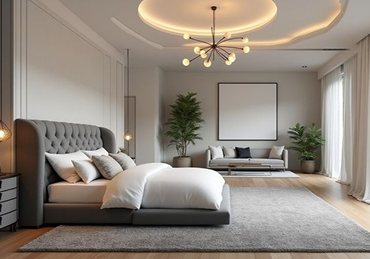
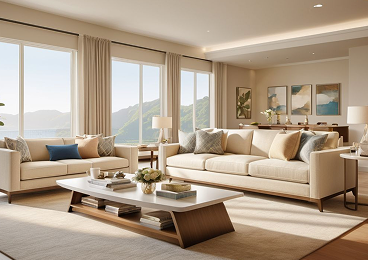
Inside, guided tours take you through the throne room, sleeping quarters, and watchtowers. The views from the top are spectacular, Rakaposhi on one side, the valley stretching endlessly below. If you are a history or architecture person, you will find yourself spending more time here than planned. Budget one to two hours minimum. Travellers who want a comfortable base in the upper region often book a Deluxe Double Room at Fortune One Hotel in Sost, which pairs well with day trips to Karimabad and Baltit Fort.
Altit Fort
Altit Fort is older than Baltit, around 900 years old, and sits on a sharp rocky outcrop directly above the Hunza River. It is slightly less visited than Baltit, which actually makes the experience better. The restoration work here is excellent, and the interiors reveal centuries of Hunzai royal history through artifacts, woodwork, and original furnishings.
The old village of Altit, just below the fort, is worth exploring on foot. Stone houses, narrow lanes, and terraced fruit orchards create a scene that feels completely removed from modern Pakistan. In summer, the surrounding fields are lush green, making the whole area look like something off a travel magazine cover.
Eagle’s Nest, Duikar View Point
Eagle’s Nest, located above the village of Duikar, is the best panoramic viewpoint in all of Hunza. At roughly 2,900 metres above sea level, this spot gives you a sweeping 270-degree view of the entire valley. On a clear day, you can see Rakaposhi, Ultar Sar, Lady Finger, and the green patchwork of fields far below.
The drive up is on a narrow jeep track that requires a capable 4×4 vehicle. It is absolutely worth it. Most travellers visit at either sunrise or sunset for the golden-hour light. Photographers who visit Hunza often say Duikar View Point is the single most rewarding shot they get on the entire trip. Go early, stay late, and bring layers because evenings at this altitude get cold fast. For a comfortable base with easy access to upper Hunza excursions, a Superior Deluxe Room at Fortune One Hotel in Sost offers the right mix of space and convenience.
Khunjerab Pass
At 4,693 metres above sea level, Khunjerab Pass is one of the highest paved international border crossings in the world. It marks the border between Pakistan and China and sits within Khunjerab National Park. This is the kind of place you stand at and genuinely feel the weight of geography, China on one side, Pakistan on the other, nothing but sky and mountain peaks in every direction.
The pass is only accessible from May to October, which is one of the key reasons summer is the best time for this trip. The road up from Sost passes through high-altitude plateaus where you can spot Marco Polo sheep and Himalayan ibex. The landscape gets progressively more alien as you climb: fewer trees, whiter light, colder air. A full-day excursion from Sost is the standard way to cover it. Fortune One Hotel in Sost is the closest quality accommodation to the Khunjerab Pass road, making it the most practical base for this excursion. Families or groups of three travelling together find a Deluxe Triple Room ideal for a comfortable overnight stay before the early morning drive to the pass.
Hussaini Suspension Bridge
A short walk from Passu sits one of the most talked-about attractions on the Karakoram Highway: the Hussaini Suspension Bridge. It is a rope-and-plank bridge stretched across the Hunza River, with gaps wide enough between the planks to see the glacier-grey water rushing far below. Locals cross it daily without breaking a sweat. For most visitors, it is a slow, white-knuckle shuffle.
The experience is worth it. The views of Passu Cones rising behind you, the sound of the river below, and the sheer improbability of the whole thing make it one of those travel moments you tell people about for years. Even if you only get halfway across and decide that is enough, the photos are excellent. Allow about an hour here.
Borith Lake
Above Passu village lies Borith Lake, a shallow reed-fringed lake that most day-trippers heading to Passu Cones miss entirely. That is their loss. Borith Lake is a birdwatcher’s paradise during summer, with Bar-headed Geese, Brahminy Ducks, and various waders making it a seasonal home. The backdrop is classic Karakoram: glaciers, rocky peaks, and deep blue sky.
The trek up from the main road takes about 45 minutes. It is manageable for most fitness levels, and the path is straightforward. If you are travelling with older family members or children, Borith Lake is one of the best off-the-beaten-path spots to add to the itinerary without pushing anyone too hard physically. Couples looking for a quieter experience can pair Borith Lake with a stay in a Deluxe Twin Room at Fortune One Hotel in Sost, making the perfect base for a peaceful couple of days in upper Hunza.
Hopper Valley
On the southern bank of the Hunza River, Hopper Valley is home to one of Pakistan’s largest glaciers: the Hopper Glacier. The drive into the valley passes through traditional Nagar District villages, and the scenery gets increasingly dramatic the further you go. At the glacier itself, you are standing at the edge of a massive, slow-moving river of ice flanked by rock walls on either side.
Hopper is for people who want something beyond the usual top places in the Hunza Valley circuit. The local community here is warm, the trekking options are excellent, and the glacier itself is genuinely one of the most impressive natural sights in Gilgit-Baltistan. Allow a half-day minimum, a full day if you want to do any trekking.
Travel Tips for Your Hunza Summer Trip
A few practical notes before you go:
- Cash is essential. ATMs in Karimabad exist but frequently run out of money, especially in the peak summer season. Carry enough Pakistani Rupees from Islamabad or Gilgit to cover your entire stay.
- Mobile connectivity is limited across much of Hunza, particularly in upper Gojal and near Khunjerab Pass. Download offline maps on Google Maps or Maps.me before you leave the main cities.
- Hire a local driver for day excursions. The roads to Eagle’s Nest, Hopper Valley, and Khunjerab Pass require 4×4 vehicles and local knowledge. Local drivers know the roads, can stop at unmarked viewpoints, and often double as unofficial guides.
- Book accommodation early. Summer is peak season in Hunza, and the better hotels and guesthouses fill up fast, particularly in July. Whether you are looking for a budget guesthouse or an Executive Suite in Sost with mountain views, locking in your stay a few weeks in advance is strongly recommended.
- Pack layers. Daytime temperatures in Karimabad are warm and comfortable, but evenings and higher-altitude spots like Khunjerab Pass can drop sharply. A light fleece and a waterproof jacket cover most situations.
How Many Days Are Enough for Hunza?
The honest answer: it depends on how deep you want to go.
Three days is the absolute minimum if you want to cover the main highlights: Attabad Lake, Baltit Fort, Altit Fort, and Karimabad’s old bazaar. You will not feel rushed, but you will not have time for Upper Gojal or Khunjerab Pass.
Five days is the sweet spot for most travellers. This gives you time for Attabad Lake, both forts, Eagle’s Nest, a day trip to Passu Cones and Hussaini Bridge, and a full day to Khunjerab Pass. It also leaves room for slower mornings and unplanned detours, which honestly produce some of the best memories.
Seven days or more is ideal if you want to cover everything on this list, do some trekking in Hopper Valley or Borith Lake, and still have a slow day to just sit in Karimabad and eat apricots.
For families travelling with children or older relatives, adding an extra day to your plan is always a good call. Hunza things to do in summer are numerous, and you will find yourself wanting more time regardless of how long you stay. Fortune One Hotel in Sost offers travellers a strategically located base for exploring upper Hunza and Gojal Valley, especially for day trips to Khunjerab Pass and Passu.
FAQs
What are the best places to visit in Hunza during summer?
The top spots are Attabad Lake, Baltit Fort, Altit Fort, Eagle’s Nest (Duikar View Point), Passu Cones, Khunjerab Pass, Hussaini Suspension Bridge, Borith Lake, and Hopper Valley. Each one offers something different, and summer gives you full access to all of them.
Is Hunza worth visiting in summer?
Absolutely. Summer is actually the best time to visit Hunza. The weather is pleasant, all the major passes are open, the valley is green and in full bloom, and the days are long enough to cover a lot of ground without rushing.
Which is the most beautiful place in Hunza?
That depends on what you are after. Attabad Lake is hard to beat for pure water scenery. Eagle’s Nest delivers the most complete mountain panoramas in the valley. Passu Cones offer dramatic geological drama unlike anything else in the region. Most travellers say Hunza as a whole is the most beautiful place; it is difficult to pick just one spot.
How many days are enough for Hunza?
Five to seven days is ideal for covering the main Hunza tourist places comfortably. Three days is doable for a highlights-only trip. Seven or more days let you trek, slow down, and really get to know the valley.
Is Hunza safe for tourists in summer?
Yes. Hunza is widely considered one of the safest regions in Pakistan for domestic and international tourists. The local communities are hospitable, crime is rare, and the Pakistani government maintains a strong tourism infrastructure in Gilgit-Baltistan. Standard travel precautions, keeping valuables secure, and having a local guide for remote treks apply as they would anywhere.
Where should I stay in Upper Hunza?
For travellers exploring Gojal Valley, Passu, and Khunjerab Pass, Sost is the ideal base. Fortune One Hotel in Sost offers comfortable rooms, reliable service, and easy access to all the major attractions in upper Hunza. Whether you need a standard room or an Executive Suite, booking in advance during summer is essential.
Final Thoughts
The best places to visit in Hunza during summer are not just scenic stops on a checklist. They are the kind of experiences that shift your perspective—standing at the edge of Khunjerab Pass at 4,693 metres. Watching the morning light hit Rakaposhi from Eagle’s Nest. Crossing the Hussaini Bridge one shaky plank at a time, drifting across Attabad Lake in a wooden motorboat.
Hunza Valley has been drawing travellers for centuries. It is not hype. It is genuinely one of the most extraordinary places in the world, and summer is when it is at its most open, its most alive, and its most accessible.
Plan the trip. Go north. And when you are ready to explore upper Hunza and Gojal Valley, Fortune One Hotel in Sost is ready to welcome you. Book your stay today and make the most of your Hunza summer.