
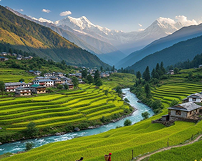
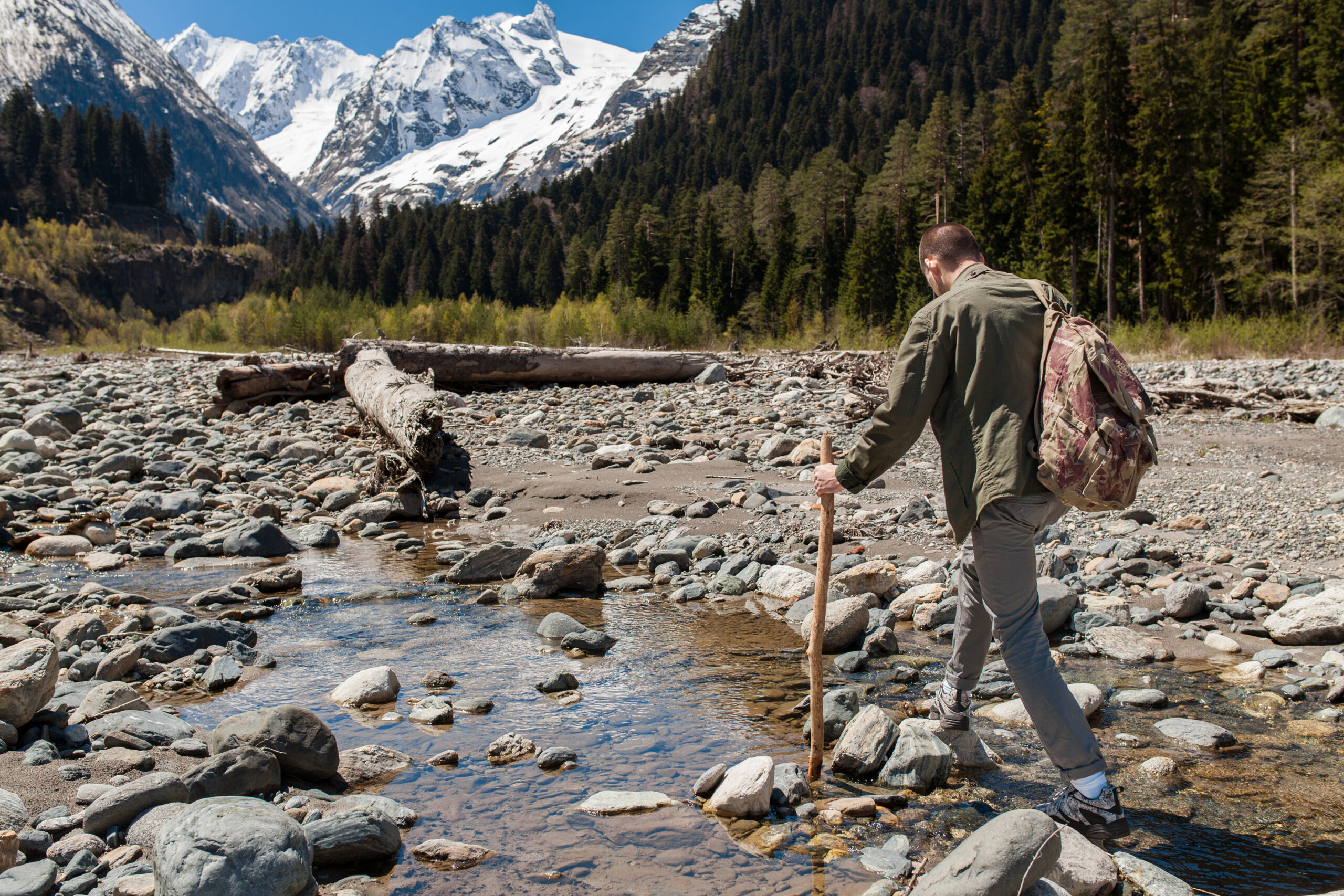
Hunza Valley is one of those places that stays with you long after you leave. The towering peaks, the apricot orchards, the old forts sitting on ridges above ancient villages, it’s a lot to take in. And if you’re planning to do it all on your own, that’s honestly one of the best decisions you can make. Solo travel tips matter here more than most places, because Hunza rewards those who move at their own pace and on their own terms.
Whether you’re a first-time traveler to Pakistan or someone who’s done the backpacking circuit in Southeast Asia and wants something more raw and real, Hunza delivers. This guide covers everything you need to know before you go, from safety and transport to where to stay and what not to miss.
Is Hunza Safe for Solo Travelers?
Let’s address this right away. Hunza is considered one of the safest regions in Pakistan, and that’s not just a tourism talking point. Crime rates are genuinely very low. Locals are warm and hospitable, often going out of their way to help strangers. The area has a long tradition of welcoming outsiders, partly because of its history as a stop along ancient trade routes connecting Central Asia and South Asia.
That said, safety on a mountain trip is also about preparation. The roads here are steep and narrow. Weather shifts fast. Mobile signal drops out in many valleys. So while the social environment is safe, the geography demands respect. Going solo means you carry more responsibility for your own decisions, and that’s perfectly manageable if you plan.
Solo Female Travel in Hunza
Solo female travel in Hunza is not only possible, but it’s also genuinely enjoyable. Compared to many parts of South Asia, the Ismaili Muslim communities in Hunza tend to be more progressive in how they interact with solo women travelers. Women here work, run guesthouses, and engage openly with visitors. You won’t face the kind of persistent harassment that sometimes makes other destinations exhausting.
That said, dressing modestly (loose trousers, covered shoulders) and staying alert in crowded bazaars is practical advice anywhere. Most female travelers who visit Hunza describe it as one of their most positive experiences in the region. Just make sure someone, a guesthouse owner, a contact back home, knows your rough itinerary each day.
Best Time to Visit Hunza Solo
Timing your trip well makes a big difference, especially when you’re on your own. The best time to visit Hunza solo depends on what experience you’re after.
April and May are spectacular. The cherry and apricot blossoms are in full bloom, the air is cool and clear, and the crowds are still manageable. This is prime season for photography and slow walks through village orchards.
June through September is peak summer. Warmer temperatures make the higher passes accessible, including Khunjerab Pass, the world’s highest paved international border crossing. This is also when the Karakoram Highway solo trip is most comfortable to drive or travel by bus.
October brings autumn colors. Golden leaves, cooler nights, fewer tourists. Some guesthouses start closing down by November as temperatures drop sharply. Winter (December to February) is for serious cold-weather adventurers only; many roads become difficult, and accommodation options thin out.
Getting to Hunza on Your Own
Most solo travelers fly into Islamabad and then either take a bus, rent a car with a driver, or arrange shared transport heading north on the Karakoram Highway. The drive from Islamabad to Gilgit takes roughly 14 to 18 hours by road. From Gilgit, Karimabad (the main town in Hunza) is another 2 to 3 hours.
NATCO buses run the Islamabad-Gilgit route daily and are a solid budget option. Daewoo Express goes as far as Besham, from where you’ll need to change vehicles. If you want more flexibility, hiring a car for the journey gives you the option to stop at viewpoints, eat where you want, and adjust timing.
There are also domestic flights from Islamabad to Gilgit operated by PIA, though they’re subject to weather cancellations and can sell out quickly. Book early if that’s your plan.
Navigating the Karakoram Highway Solo
The Karakoram Highway solo trip is a bucket-list drive for a reason. At over 1,300 kilometers, it runs from Islamabad all the way to the Chinese border at Khunjerab Pass. The section through Hunza is stunning, with sheer cliff faces, turquoise rivers, and mountain villages clinging to ledges above deep gorges.
Solo travelers without a vehicle can move around using local Suzuki vans (called dala-dalas or simply vans locally), which run between Karimabad, Aliabad, Gilgit, and other stops. Fares are cheap. You’ll share the vehicle with locals, which is genuinely one of the more interesting ways to have real conversations and get off-the-tourist-trail recommendations.
Where to Stay: Hunza Accommodation for Solo Travelers
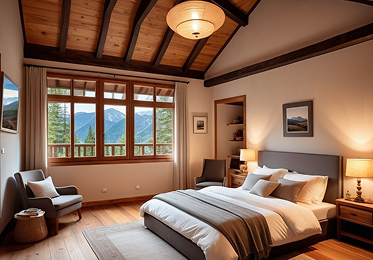
Hunza accommodation for solo travelers ranges from basic guesthouses at a few hundred rupees a night to comfortable mid-range hotels with mountain views. Most solo travelers base themselves in Karimabad, which has the most concentrated options and easy access to the main sights.
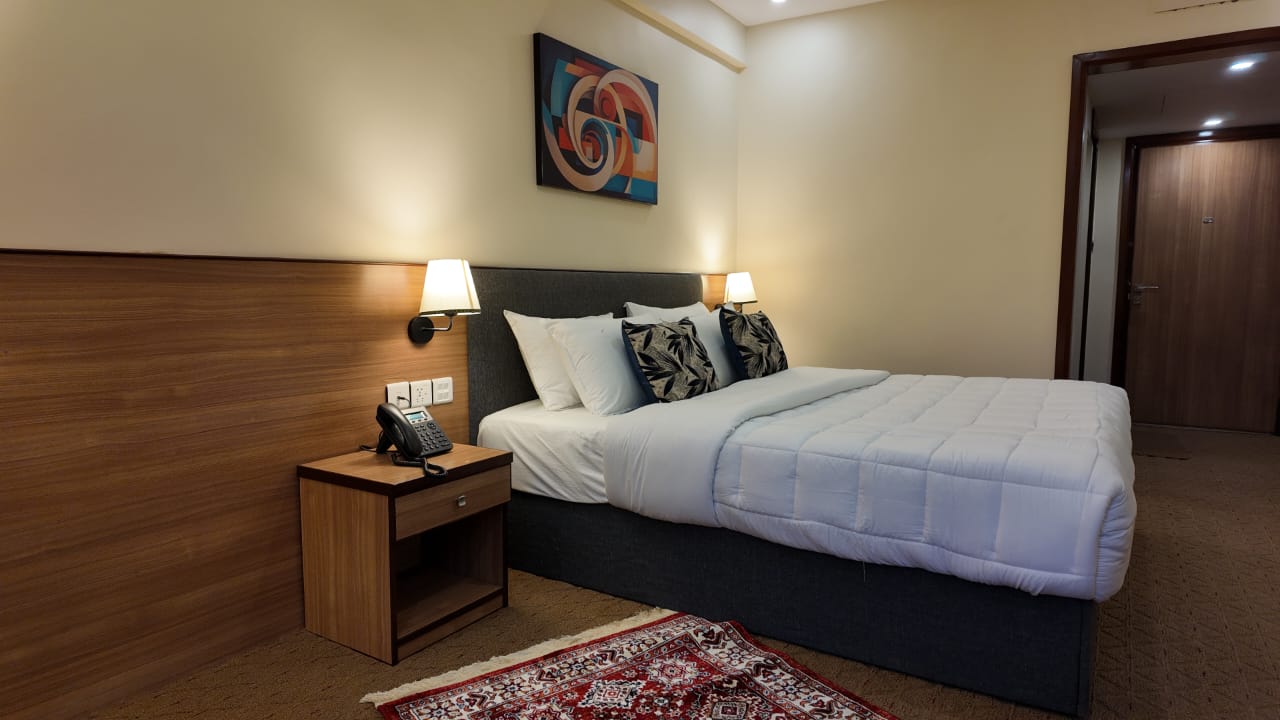
Guesthouses in Karimabad are generally family-run, friendly, and good value. Many have rooftop terraces with views of Rakaposhi or Ultar Sar. If you want something more organized with consistent service and amenities, the area also has proper hotel options. If you want a reliable, well-serviced base in the valley, staying at Fortune One Hotel is worth considering; it offers a comfortable setup without the isolation of more remote guesthouses.
For solo travelers on a tight budget, dormitory options exist in some guesthouses, though private rooms are often surprisingly affordable too. Booking ahead during peak blossom season (April-May) is strongly recommended as places fill up fast.
Places to Visit in the Hunza Valley
There’s no shortage of things to do when you’re on your own schedule. Here are the highlights that most solo travelers make time for.
Baltit and Altit Forts
These two forts are the cultural anchors of Hunza. Baltit Fort, perched above Karimabad, dates back around 700 years and was the seat of the Mir (ruler) of Hunza for centuries. Altit Fort is even older. Both have been restored and are open to visitors. The views from the fort walls over the valley below are worth the entrance fee alone.
Solo visitors actually have an easier time here; you can linger as long as you like, hire a local guide without negotiating group interests, and take photos without waiting for others. A knowledgeable guide will tell you stories about the royal families and the political intrigues that shaped this region.
Eagle’s Nest and Duikar
Eagle’s Nest viewpoint, above the village of Duikar, gives one of the most dramatic 360-degree views in the entire Karakoram range. You can see Rakaposhi, Ultar Sar, Ladyfinger Peak, and the silver thread of the Hunza River far below. Sunrise from here is genuinely unforgettable.
Getting there involves a hike or a jeep ride from Karimabad. If you’re going solo, hiring a jeep is easy to arrange through any guesthouse. Some travelers hike up in the afternoon, camp overnight, and come back down in the morning, a perfectly doable option if you have basic camping gear.
Attabad Lake
This vivid turquoise lake was formed in 2010 after a massive landslide blocked the Hunza River. It’s both a striking geological curiosity and a popular spot for boating. The journey from Karimabad takes about 45 minutes by road. Boat rides are easily arranged on-site and are very affordable.
There are small cafes and guesthouses near the lake, making it easy to combine a day trip with lunch or even an overnight stay if you want more time around the water. It’s one of the places to visit in Hunza Valley that genuinely surprises people. The color of the water is hard to believe until you see it.
Passu and the Passu Cones
A couple of hours beyond Karimabad toward the Chinese border, Passu is a quieter village with dramatic cathedral-shaped rock formations called the Passu Cones (or Cathedral Peaks). The area is known for glacier hikes, particularly the Passu Glacier and Batura Glacier.
Solo hikers should hire a local guide for glacier walks; this is not optional, it’s a safety issue. The glaciers have crevasses, and the terrain can be disorienting. A guide costs very little and removes significant risk. If you’re staying in Passu, the Executive Suite options at certain guesthouses offer more than basic comfort for a modest premium.
Hunza Budget Travel Tips That Actually Work
Hunza budget travel tips don’t require much sacrifice; the valley is affordable by almost any standard. Here’s what makes a real difference.
Eat where locals eat. Dhabas and small family restaurants around Karimabad serve hearty meals of chapshuro (a local meat-filled bread), shorba (broth soup), and fresh apricot products for very little money. Tourist-facing cafes charge more and often serve a sanitized version of local food. The real thing is better and cheaper.
Use public vans for transport instead of private jeeps wherever possible. Private jeep hire is convenient but costs significantly more. For most routes in and around Karimabad, the shared van system works fine.
Carry enough cash. ATM availability is limited in Hunza. Gilgit has better banking options, so withdraw what you need before heading further north. Mobile banking apps can also work where a data signal is available, but don’t rely on it exclusively.
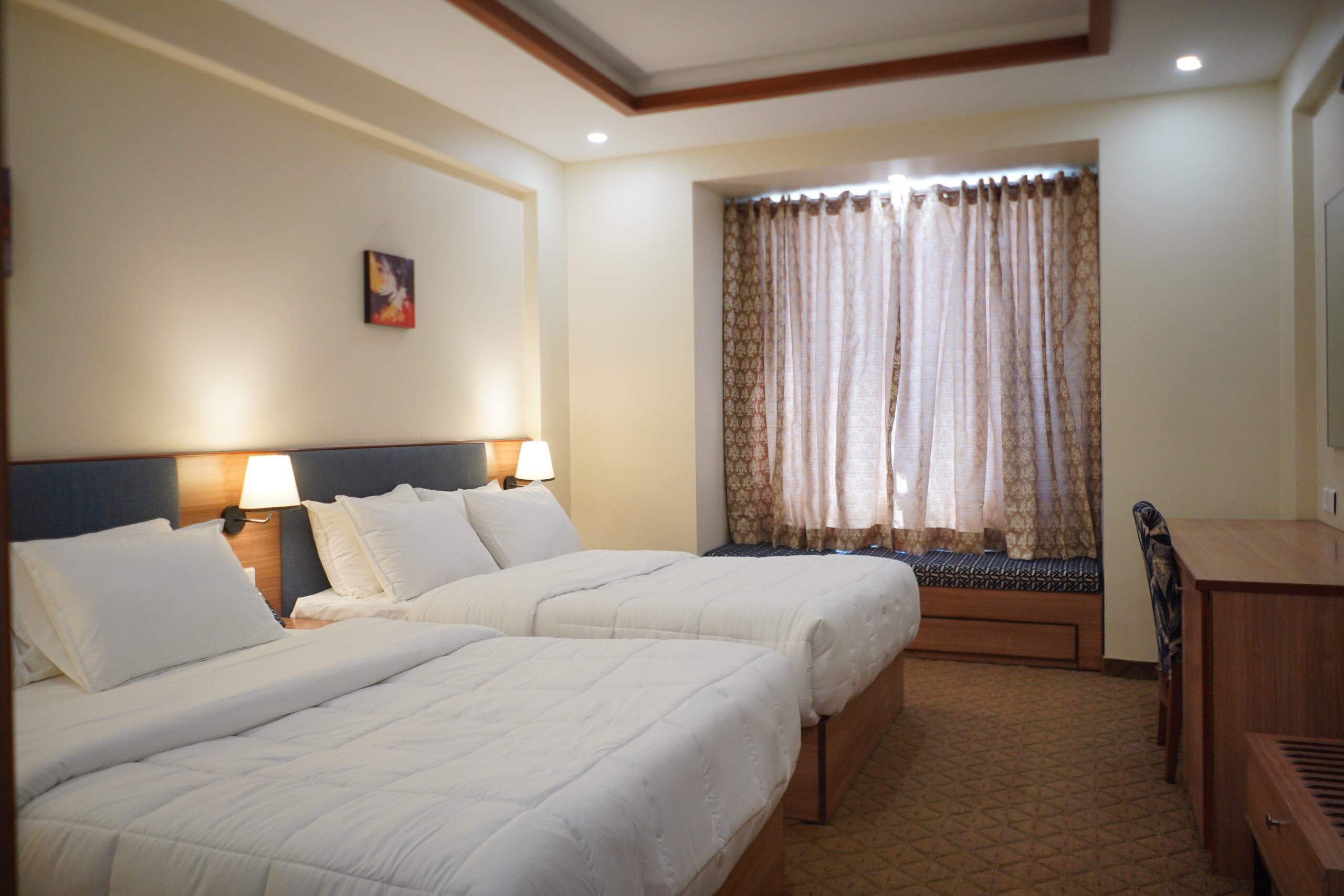
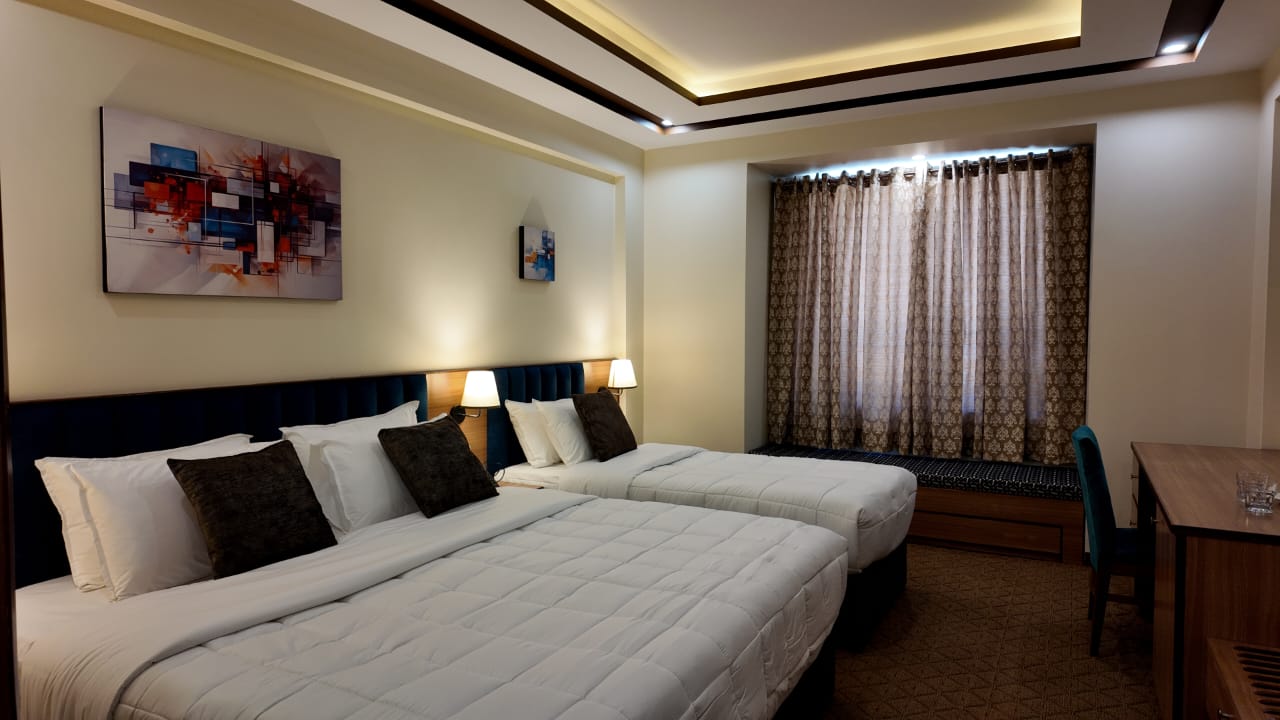
If you’re mid-range rather than budget, asking for a Deluxe Triple Room at guesthouses can sometimes be a better deal than a standard single; the pricing difference is often small, and you get significantly more space.
Practical Solo Travel Tips for Hunza You’ll Actually Use
Good solo travel tips for Hunza come down to a few recurring themes: connectivity, physical prep, and local knowledge.
Get a SIM that works in Gilgit-Baltistan. Jazz and Zong tend to have the best coverage in this region, but the signal is still patchy in many places. Download offline maps (Maps.me or Google Maps offline) before you arrive. Save guesthouse numbers as local contacts so you can call ahead without data.
Acclimatize properly. Karimabad sits at around 2,400 meters. Eagle’s Nest is at about 3,000 meters. Khunjerab Pass reaches 4,693 meters. If you’re coming from sea level, give your body a day or two before pushing to higher altitudes. Headaches, fatigue, and nausea are early signs of altitude sickness; take them seriously.
Dress in layers. The weather in Hunza can be 30°C in the valley and cold enough for a jacket at higher elevations, sometimes on the same day. A light down jacket, sun protection, and sturdy walking shoes will cover most situations.
Tell someone your plans. Solo travel means no built-in safety net. Leave your rough daily itinerary with your guesthouse, a family member, or a friend back home. Check in regularly.
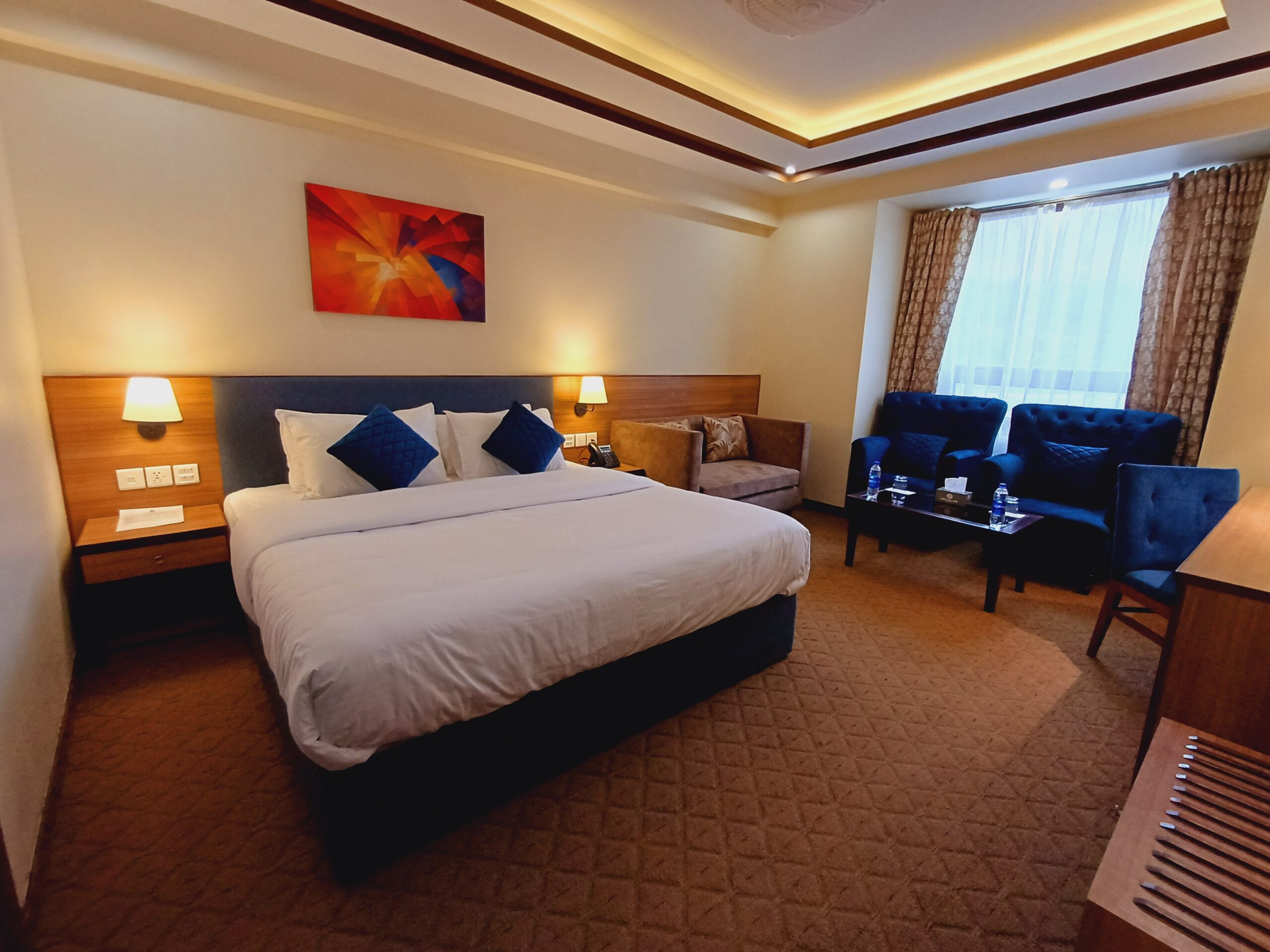
If you need a room that balances cost with a decent standard of living, a Superior Deluxe Room at one of the established hotels in Karimabad gives you the comfort to rest well after long days on the trails.
Local Culture: How to Be a Respectful Guest
Hunza’s communities are tight-knit and have a strong sense of identity. A few things go a long way in building goodwill.
Ask before photographing people, especially women and older residents. Most people are genuinely happy to be photographed if you ask politely, but snapping away without permission is considered rude.
Greet people. A simple salaam or hello goes a long way. Locals often invite passing travelers in for tea, accepting that invitation, even briefly, can lead to the most memorable conversations of a trip.
Respect local norms around alcohol. It’s not widely available and not part of local culture. This is not a drinking destination.
Frequently Asked Questions About Solo Travel in Hunza
1. Is Hunza safe for solo travelers from abroad?
Yes. Hunza consistently ranks as one of Pakistan’s safest regions. The local Ismaili community is known for its hospitality and openness to visitors. Standard travel precautions apply, but the social environment is welcoming and low-risk.
2. What is the best time to visit Hunza solo?
April to May for blossoms and greenery, June to September for full access, including Khunjerab Pass, and October for autumn colors. Each season has something distinct to offer. Most solo travelers prefer late spring or early autumn for the combination of good weather and fewer crowds.
3. How should solo female travelers prepare for Hunza?
Dress modestly, share your itinerary with someone you trust, and stick to guesthouses with good reviews from other women travelers. The region is genuinely more relaxed than many parts of South Asia for solo female travel, but basic awareness is always sensible.
4. What are the transport options for solo travelers in Hunza?
NATCO buses from Islamabad to Gilgit, local shared vans between Karimabad and the surrounding areas, and jeep hire for day trips or remote trekking access. Flying into Gilgit saves road time but requires flexibility due to weather cancellations.
5. How much does a solo trip to Hunza cost?
A budget traveler can manage on PKR 3,000–5,000 per day, covering accommodation, meals, and local transport. Mid-range spending of PKR 8,000–15,000 per day gets you better rooms, some private transport, and paid entry attractions. Costs are low compared to international standards.
Final Thoughts
Hunza is the kind of place that has a way of recalibrating your sense of scale. Standing in front of Rakaposhi, one of the highest peaks in the world, you realize how much of the planet is still genuinely wild and unhurried.
Going solo here isn’t just manageable. It’s arguably the best way to experience it. You stop when you want, stay longer where it matters, and have conversations that don’t fit a group itinerary. Use these solo travel tips as your starting point, trust the logistics to work themselves out, and let Hunza do the rest.
Plan sensibly, move carefully in the mountains, respect the communities you pass through, and you’ll come back with a trip that’s hard to top.