



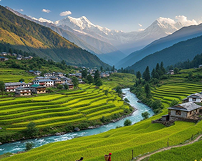
If you’ve ever looked at a photo of the Hunza Valley and thought, “That can’t be real,” you’re not alone. This place in northern Pakistan looks like it belongs in a painting—towering mountains, crystal-clear rivers, ancient forts, and villages that seem frozen in a quieter time. Hunza Valley draws travelers from across Pakistan and around the world, and once you visit, it’s easy to understand why.
Whether you’re planning your first trip or your fifth, this guide covers everything: where it is, how to get there, what to do, and where to stay.
Where Is Hunza Valley?
Hunza Valley is located in Gilgit-Baltistan, the northernmost region of Pakistan. It sits at an altitude of roughly 2,438 meters (7,999 feet) above sea level, surrounded by some of the highest peaks on earth, including Rakaposhi, Ultar Sar, and Ladyfinger Peak.
The valley runs along the Hunza River and extends through several towns, with Karimabad the main tourist hub. Hunza’s location puts it right on the ancient Silk Road, which is why the area has such a rich cultural history.
To reach Hunza, most travelers drive up the Karakoram Highway (KKH), one of the highest paved roads in the world. From Islamabad, the drive takes around 14 to 16 hours. You can also fly into Gilgit Airport and then drive about two hours to reach the valley.
Why People Keep Coming Back to Hunza
Hunza, Pakistan, has a reputation that goes beyond its scenery. The people here are warm, educated, and famously hospitable. The culture is a mix of Burusho traditions, Ismaili Muslim values, and a progressive outlook that’s rare in remote mountain communities.
The air is clean. The streets are safe. And the pace of life slows down in a way that city dwellers genuinely need.
Many first-time visitors plan a 3-day trip and end up staying a week. That’s the Hunza effect.
Is Hunza Safe for Travelers?
This is one of the most common questions people ask, and the answer is yes. Hunza is widely considered one of the safest travel destinations in Pakistan. Crime rates are extremely low, and tourists, whether Pakistani or international, are treated with genuine respect.
Women travelers, solo backpackers, and families all visit regularly without issues. That said, standard travel precautions always apply. Keep your documents safe, stay updated on road conditions (especially during monsoon season), and always let someone know your itinerary.
Best Time to Visit Hunza Valley
The weather in Hunza Valley changes dramatically by season, so timing your trip matters.
Spring (March to May) is arguably the most beautiful time to visit. The famous cherry blossoms and apricot trees bloom across the valley, turning it pink and white. This is peak season, so book your stay early.
Summer (June to August) brings warmer temperatures and clear skies. It’s perfect for trekking and outdoor activities. The weather in Hunza Valley during summer is pleasant during the day, though nights can still get cold.
Autumn (September to November) offers golden foliage and the harvest season. The landscape turns amber and red, a completely different kind of beautiful.
Winter (December to February) is cold, and some roads may close, but if you’re up for it, snow-covered Hunza is absolutely stunning and far less crowded.
Things to Do in Hunza Valley
Visit Baltit Fort
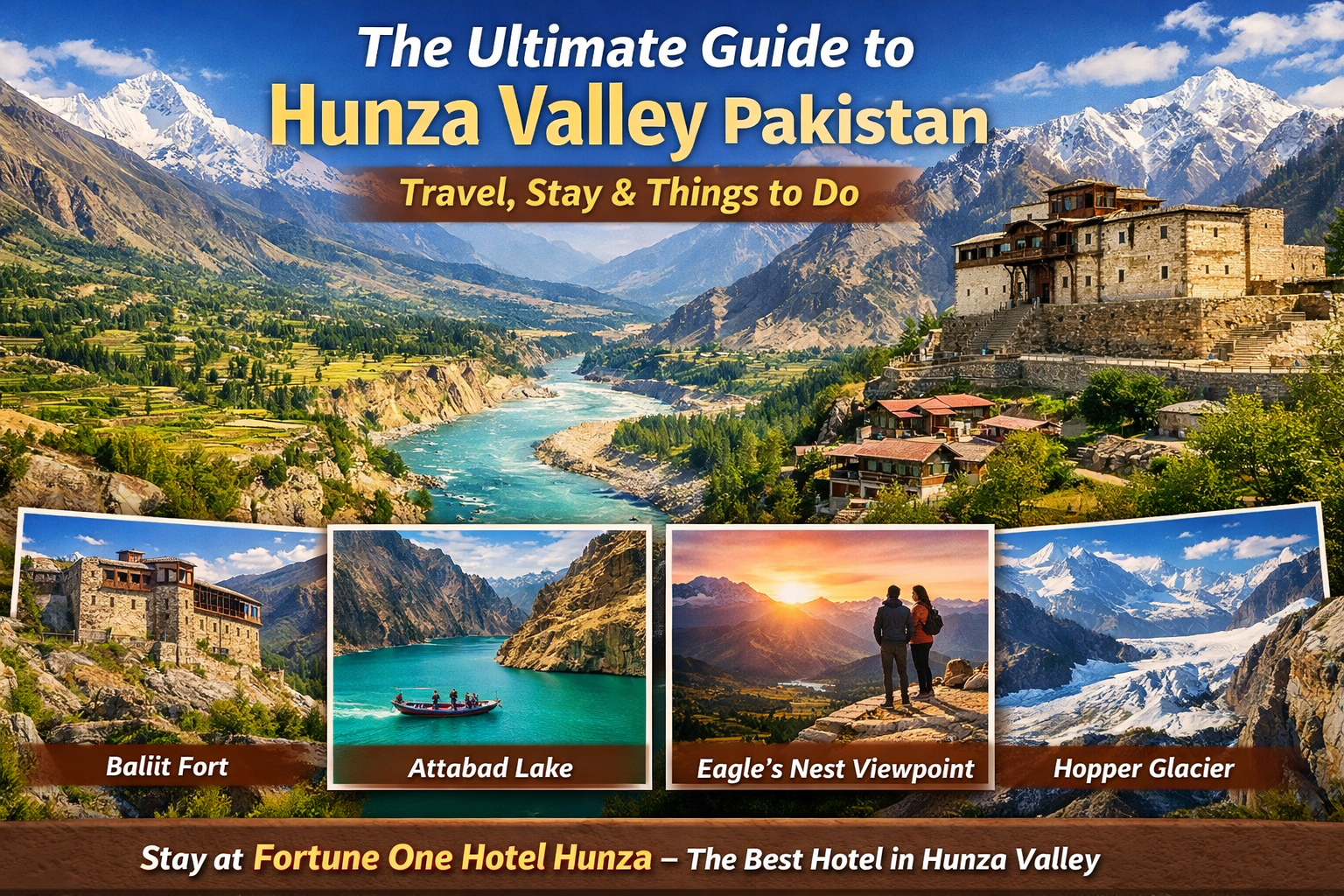
Baltit Fort is the crown jewel of Hunza Valley. This 700-year-old fort sits high above Karimabad and offers a panoramic view of the entire valley. It was once the residence of the Mirs (rulers) of Hunza and has been carefully restored. Walking through it feels like stepping back into a world that most people only read about in history books.
Entry is affordable, and guided tours are available. Go in the morning to get the best light for photos.
Attabad Lake
Attabad Lake was formed in 2010 after a massive landslide blocked the Hunza River. What was once a disaster turned into one of the most visually striking lakes in all of Pakistan. The water is an almost surreal shade of turquoise, surrounded by brown and grey mountain walls.
You can take a boat ride across the lake or just sit on the shore and take it all in. Either way, it’s worth the visit.
Eagle’s Nest Viewpoint
If you want a bird’s-eye view of Hunza Valley, drive or hike up to Eagle’s Nest. At around 3,000 meters, this vantage point gives you a sweeping 360-degree view of the valley, the Karakoram range, and on clear days, Rakaposhi and Diran peaks.
Sunrise and sunset here are something else entirely.
Duikar Village
Duikar is a small village above Altit, and it’s become a favorite among photographers and trekkers. The trail is manageable for most fitness levels, and the views at the top rival anything else in the region.
Altit Fort
Older than Baltit Fort by several centuries, Altit Fort sits on a cliff edge above the Hunza River. It’s quieter and less touristy than Baltit, which makes it a more personal experience. The surrounding village has been beautifully maintained and gives you a real sense of how people of the Hunza Valley have lived for generations.
Hopper Glacier
For those who want something more adventurous, Hopper Glacier is one of the most accessible glaciers in the region. You can walk right up to it, no special gear needed for the basic trail. It’s raw, cold, and humbling in the best way.
Where to Stay in Hunza Valley
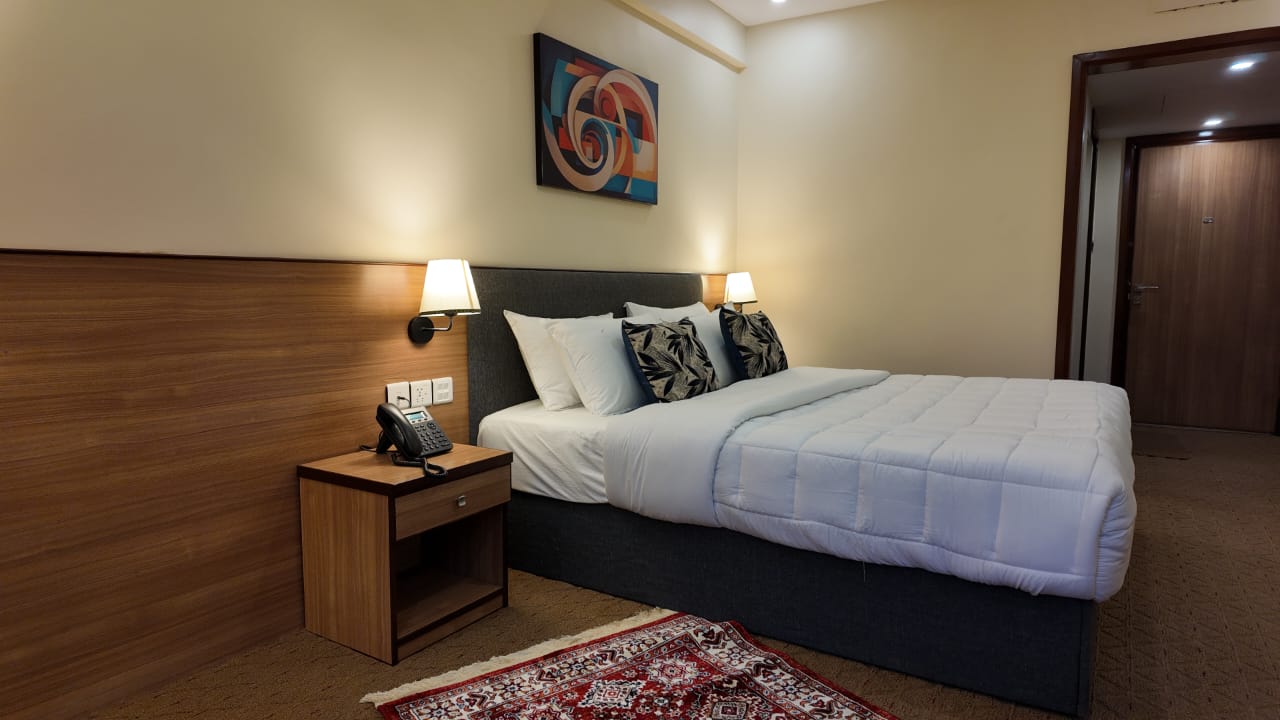
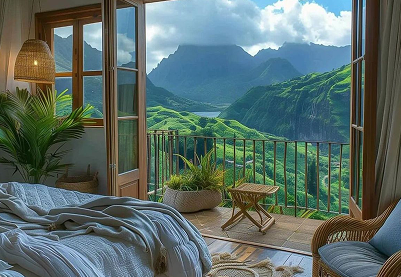
Accommodation in Hunza has improved significantly over the last decade. You’ll find everything from guesthouses and camping spots to well-equipped hotels with stunning views of the Karakoram range. For travelers who want a reliable and comfortable base, Fortune One Hotel is a well-regarded option that combines genuine hospitality with a location that makes getting around the valley easy.
Food You Should Try in Hunza
Hunza has its own food culture, and it’s worth paying attention to.
Chapshuro is a meat-filled flatbread that’s baked in a traditional oven. It’s hearty, delicious, and perfect after a day of trekking.
Diram Phitti is a traditional dessert made with walnuts and mulberry juice. It sounds simple. It tastes remarkable.
Hunza water, technically glacier water, is served everywhere and is some of the cleanest, freshest water you’ll ever drink.
Don’t leave without trying the local apricot oil, dried apricots, and mulberry products. These are unique to the region and make excellent souvenirs.
Tips for a Better Hunza Trip
A few practical things that’ll make your Hunza Valley travel smoother.
Carry cash. ATMs exist but aren’t always reliable, especially in smaller villages.
Download offline maps before you go. Mobile data can be patchy in parts of the valley.
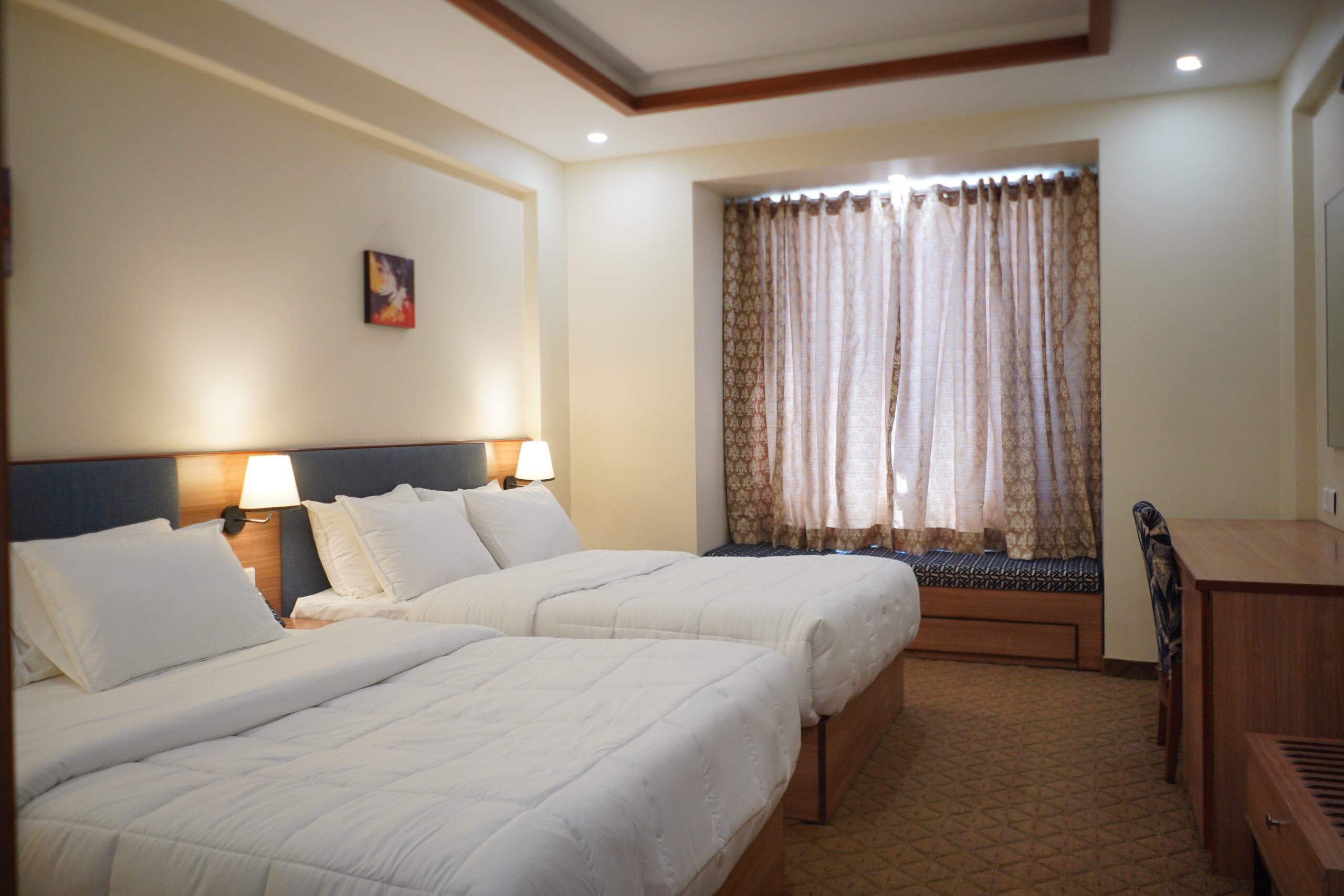
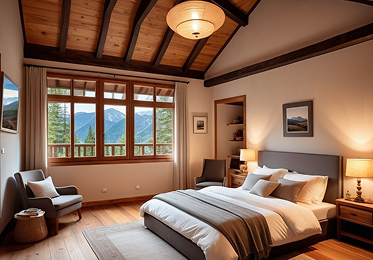
Pack layers. Temperatures can shift significantly between morning and evening, even in summer. If you’re staying somewhere like a Deluxe Twin Room, you’ll at least have a warm, comfortable space to come back to after a long day out in the cold.
Hire a local guide for treks. They know the terrain, the weather patterns, and the hidden spots that aren’t on any tourist map.
Respect local customs. Hunza is progressive by regional standards, but it’s still a conservative mountain community. Dress modestly and be respectful in public spaces.
Book accommodation in advance during the spring season. The cherry blossom period fills up fast.
Getting Around Hunza Valley
Within the valley, shared jeeps and local taxis are the main way to get around. Renting a jeep with a driver is popular for day trips to Attabad Lake, Eagle’s Nest, or the glaciers.
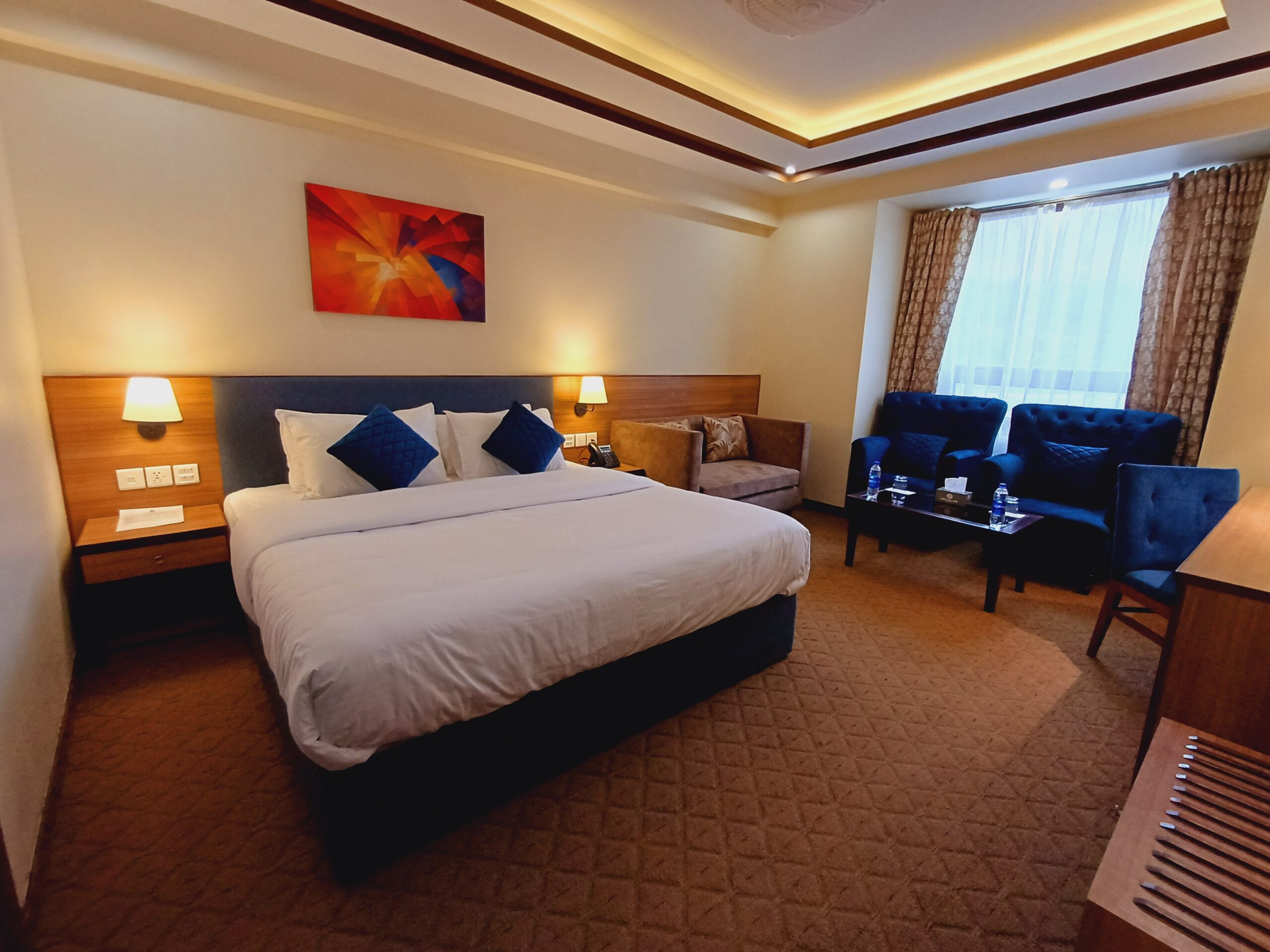
If you’re driving yourself, the roads are manageable in a standard vehicle for most main routes, but a 4×4 is recommended for off-road spots. Couples or friends on a road trip to Hunza often find that booking a Deluxe Double Room in advance saves them the stress of finding last-minute accommodation after a long drive up the KKH.
The Karakoram Highway passes right through the valley, making it easy to plan a longer northern Pakistan journey, including Gilgit, Skardu, and Chilas. The whole route is extraordinary.
Planning a Longer Stay
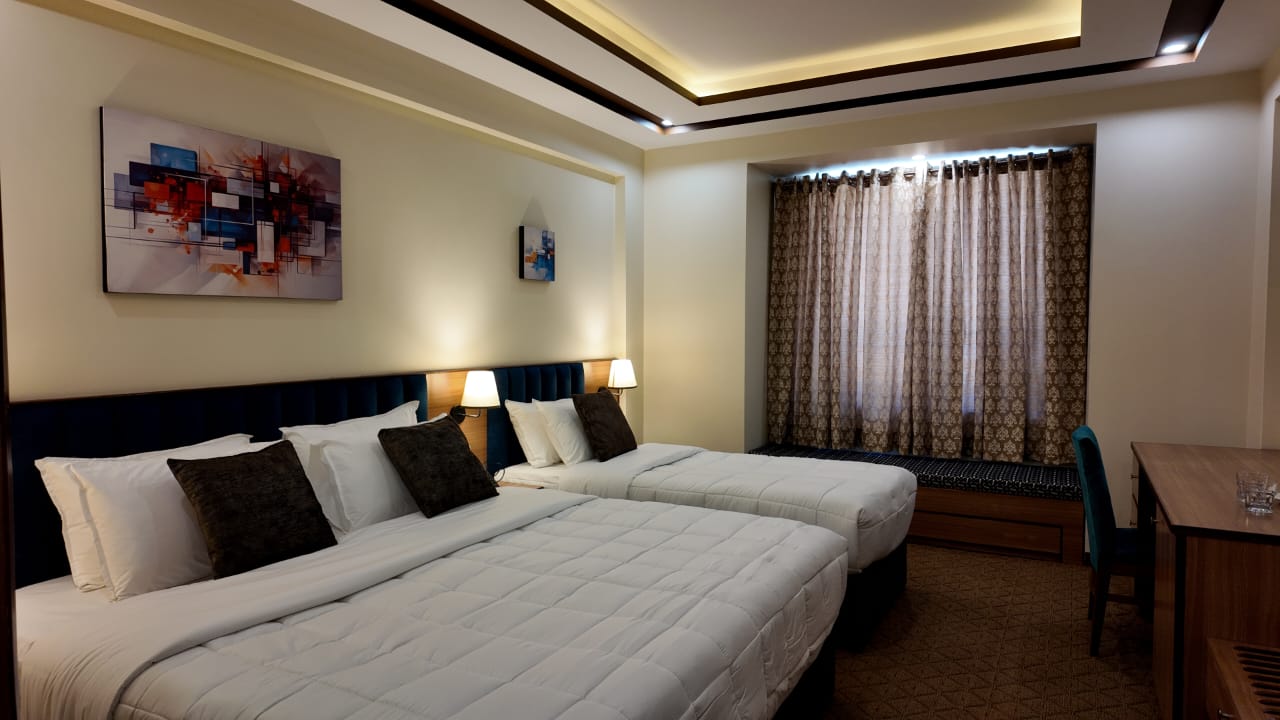
Some travelers come to Hunza Valley for three days and realize three days is not enough. The valley has a way of slowing you down in the best possible way. If you’re considering a week or more, it’s worth investing in better accommodation. The Superior Deluxe Room at a quality hotel gives you the space and comfort you need to actually rest and recharge between excursions, without feeling like you’re roughing it after a full day on mountain trails.
A longer stay also lets you go beyond the main sights. Visit the smaller villages. Chat with locals. Try cooking a local dish. That’s when the Hunza Valley, Pakistan, really opens up.
Final Thoughts on Hunza Valley
Hunza Valley is one of those places that changes how you think about travel. It’s not about ticking off sights. It’s about the air, the people, the silence, and the scale of the mountains around you.
Whether you’re a first-timer or a repeat visitor, Hunza Valley, Pakistan, offers something new every season. Plan your trip, pack smart, and give yourself enough time to actually experience it, not just pass through.
Because once you’ve been to Hunza Valley, a weekend trip never feels like enough.